
























Wagner Moura Discusses Brazil’s Oscar Bid and Trump’s Dictatorship Influence

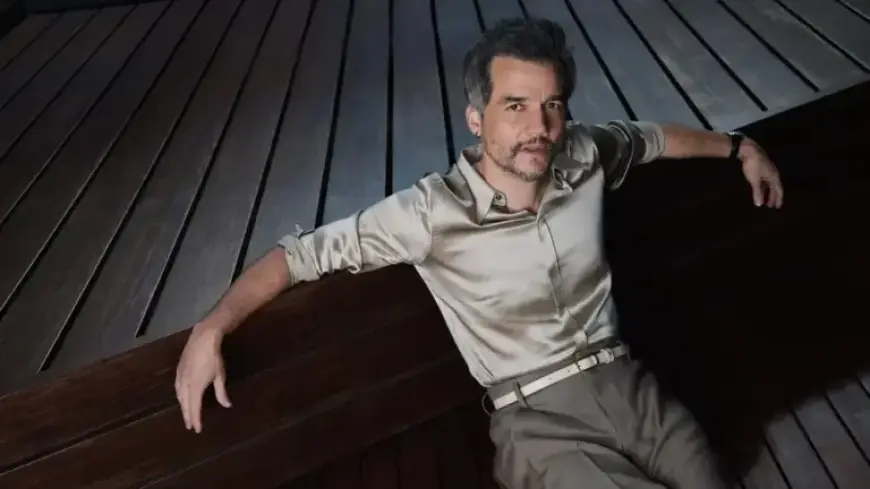
Wagner Moura, a prominent Brazilian actor renowned for his role in Netflix’s “Narcos,” recently gained global attention with his Oscar nomination for “The Secret Agent.” Set against the backdrop of Brazil’s military dictatorship in the late 1970s, the film offers a poignant look at the consequences of authoritarianism. Moura’s nomination is a landmark achievement; he becomes the first Brazilian and sixth Latino nominated for Best Actor in the Academy Awards’ history.
The Significance of “The Secret Agent”
In “The Secret Agent,” Moura portrays Armando Solimões, a professor grappling with political turmoil as he seeks to protect his son from the violent repercussions of a corrupt government. The narrative unfolds during a time when dissenters were at severe risk. The film is reflective of Moura’s personal experiences, providing him with a profound connection to the character.
A Film Rooted in Reality
- Characters: Armando and his struggles represent the plight of many under oppressive regimes.
- Supporting roles: Tânia Maria plays Dona Sebastiana, offering refuge to dissidents, highlighting the community’s vulnerability.
- Director: Kleber Mendonça Filho, who recognized Moura’s unique ability to embody complex emotional truths.
Moura’s Reflections on Authoritarianism
During an interview at Variety’s offices in Los Angeles, Moura discussed the nature of authoritarianism, emphasizing how it can creep into society unnoticed. He remarked on the importance of awareness and reaction as similarities draw parallels between Brazil’s past and potential threats to democracy in the United States.
The Importance of Empathy in Storytelling
Moura articulated how art can resonate profoundly in times of crisis. “When art and films step up, they have the power to provoke thought,” he noted. He believes that characters often serve as conduits for expressing deeper societal issues.
The Cultural Landscape of Brazil
The recent Oscar nominations for Brazilian films like “I’m Still Here” and “The Secret Agent” signify a renaissance in Brazilian cinema. After years of political strife and artistic demonization, this recognition is a beacon of hope for cultural expression. Moura expressed pride in this, stating, “These artists represent us.”
Addressing Misconceptions about Brazil
- Cultural Complexity: Beyond its joyful representation, Brazil faces significant social inequalities and a challenging political history.
- Brazil was the last nation to abolish slavery, contributing to ongoing disparities in power distribution.
- Political Figures: Moura draws comparisons between leaders like Bolsonaro in Brazil and Trump in the United States, emphasizing their reflective nature of societal issues.
The Road Ahead for Wagner Moura
As Moura embraces this pivotal moment in his career, he emphasizes the importance of continuing to work with talented directors. He hopes that his Oscar nomination will open doors to collaborate with respected film-makers, enriching his artistic journey.
Looking forward, Moura aspires for a less polarized society where misinformation is addressed. He stresses that the urgency for unity is crucial in a world where technology often disrupts civic engagement.
Ultimately, Moura’s experiences and reflections serve as a clarion call to understand the fragility of democracy and the profound role that storytelling plays in shaping public consciousness.