






















Salah’s 2026 Spotlight: Why Mohamed Salah’s Next Decision Could Reshape Liverpool’s Plans and Egypt’s Football Calendar

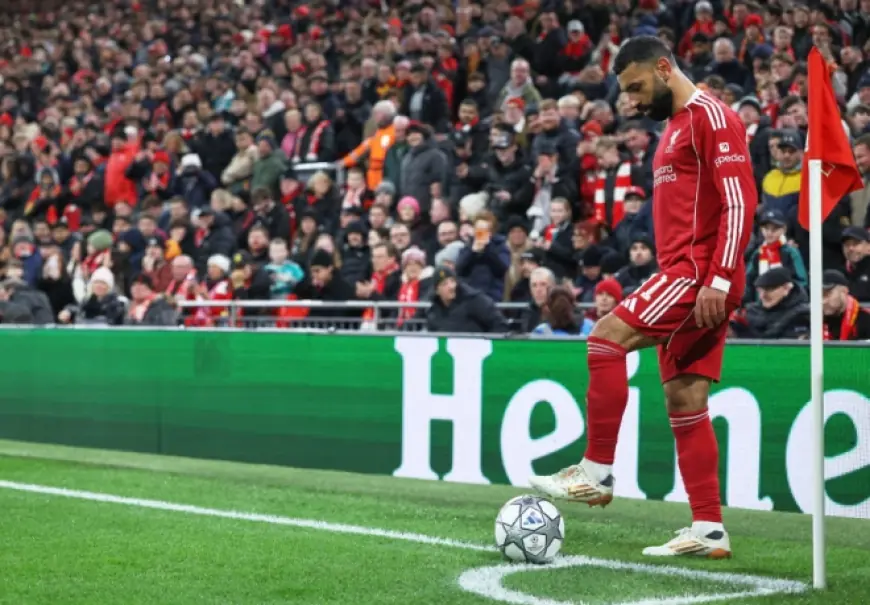
Mohamed Salah is back at the center of the football conversation as the season’s decisive stretch approaches and the long-running questions about his future remain unresolved. Even without a single announcement, the story keeps returning because Salah’s situation is bigger than one player: it touches squad planning, wage structures, commercial strategy, and the delicate balance between club ambitions and national-team expectations.
What’s new is not that Salah is important. It’s that the timing is now unavoidable. When an elite forward reaches this stage of a career, every month becomes a referendum on direction: extend, evolve the role, or move on. For Liverpool and for Egypt, the ripple effects are immediate.
What Happened Around Salah, and Why It Matters Now
In recent days, Salah has again been framed as the hinge point for what comes next at Liverpool: how the team builds its attack, how it manages minutes in a congested run-in, and how it allocates resources across multiple priorities. Nothing about that is purely tactical. A player of Salah’s stature is also a strategic asset, and decisions around him tend to force clarity on everything else.
For Egypt, the stakes are parallel. Salah is not just the captain and the face of the national team. He is also the gravitational pull around which tournament expectations and squad identity orbit. Any shift in his club role, workload, or long-term location changes the practical realities of national-team preparation.
Behind the Headline: The Incentives Driving Salah and Liverpool
From Salah’s side, the incentives are straightforward: maximize competitive relevance, protect longevity, and choose an environment that still allows him to decide matches. Elite players do not only chase money or trophies; they chase control over their final peak years: training load, match rhythm, medical support, and the kind of system that produces chances at a sustainable rate.
From Liverpool’s side, the incentives are equally sharp:
-
Competitive continuity: keeping a proven goal threat reduces risk in big matches.
-
Squad evolution: planning the next attacking core is easier with a clear timeline.
-
Wage structure discipline: one contract can recalibrate expectations across the dressing room.
-
Commercial stability: global icons influence sponsorship value, merchandise demand, and brand reach.
The tension is that all of these goals can conflict. The more valuable Salah is, the more expensive it becomes to keep him, and the more complicated it is to plan for life after him.
Stakeholders: Who Gains Leverage, Who Bears Risk
Salah’s future is shaped by more than player and club.
-
Liverpool’s leadership must weigh short-term trophies against long-term roster planning.
-
The coaching staff has to manage performance and minutes while keeping the squad invested.
-
Teammates are affected by role definition, chance creation patterns, and leadership dynamics.
-
Egypt’s federation and coaching staff need clarity on availability, fitness, and continuity.
-
Commercial partners on all sides want stability and positive optics.
-
Potential suitors, whether from Europe or beyond, benefit from uncertainty because it keeps negotiation doors open.
Every stakeholder has a different definition of “best outcome,” which is why these situations often take time even when everyone privately understands the trade-offs.
What We Still Don’t Know
Several key pieces remain unclear, and they are the ones that actually decide the outcome:
-
Whether there is a firm timeline for a final decision, or whether it is being kept flexible
-
What kind of role Salah wants over the next phase: same minutes, managed minutes, or a tactical shift
-
How Liverpool evaluates the cost of replacing his output versus extending his deal
-
How national-team commitments will interact with club priorities as tournament windows approach
-
Whether any concrete offers have progressed from interest into genuine deal structure
Until those answers surface, any confident narrative about the destination is premature.
What Happens Next: Realistic Scenarios and Triggers
Here are the most plausible paths forward, and what would likely trigger each one:
-
Contract extension with Liverpool
Trigger: agreement on length, wage structure, and role clarity that protects both performance and planning. -
Short-term renewal with a defined transition plan
Trigger: both sides want continuity now, but also want an orderly succession timeline. -
Summer move to a new league
Trigger: a package that offers Salah a central role, strong support infrastructure, and a clear competitive or lifestyle rationale. -
Liverpool accelerates succession planning without immediate separation
Trigger: uncertainty persists, so the club begins building an attack that can function with reduced reliance on Salah. -
A season-to-season approach that keeps options open
Trigger: neither side wants to concede leverage, and the sporting calendar encourages delaying a final call.
Why It Matters Beyond One Player
Salah’s story is a case study in modern football power dynamics. Clubs want icons, but they also want systems that outlast icons. Players want legacy, but they also want autonomy over how their legacy ends. For Liverpool, this is about maintaining elite standards while managing transition risk. For Egypt, it’s about the delicate reality of building a team around a once-in-a-generation figure without becoming dependent on him.
The next concrete update, whenever it arrives, will not just answer a transfer question. It will signal how the club plans to compete in the next era, and how Egypt prepares for the next major cycle with its most influential player still in the frame.