






















Amy Klobuchar Signals Possible Minnesota Governor Run as 2026 Race Accelerates

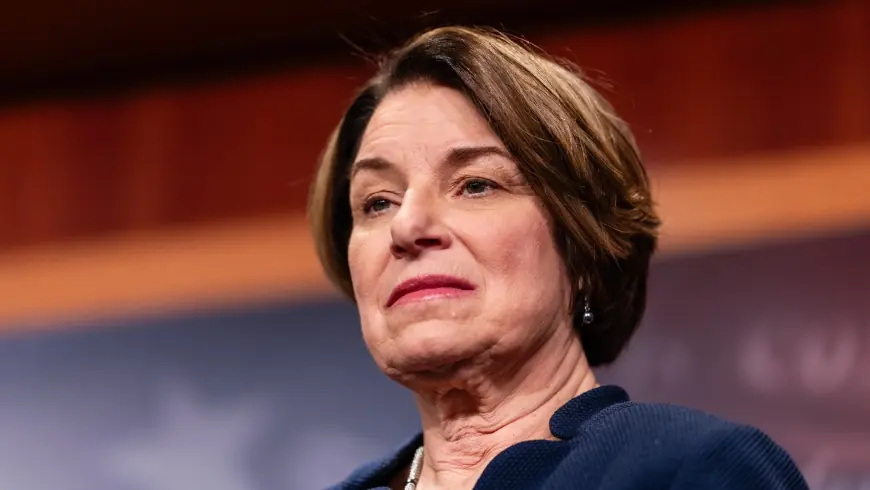
Amy Klobuchar has taken a formal step that is reshaping Minnesota’s 2026 political map: the longtime U.S. senator has filed paperwork to establish a gubernatorial campaign committee, a move that typically precedes an official launch. While Klobuchar has not yet declared, the filing alone is enough to jolt both parties’ strategies after Governor Tim Walz ended his reelection bid earlier this month.
A campaign committee filing that changes the field overnight
State campaign finance records now list Klobuchar with a committee structured for a governor’s race, putting a real administrative backbone behind weeks of speculation. The filing does not, by itself, guarantee she will run, but it creates the legal vehicle to raise money, pay staff, and begin organizing statewide.
The senator has indicated that a decision is expected soon, but she has not set a public date for a formal announcement. A full public timeline has not been released.
Klobuchar’s potential entry matters because she is a statewide figure with deep name recognition, a well-established donor network, and national experience built over multiple Senate terms. If she runs, she immediately becomes a top-tier contender in a race that has been fluid since Walz stepped aside.
Why Minnesota politics feel unusually volatile this winter
Walz’s exit from the race came amid intense focus on fraud investigations tied to state programs and growing pressure over how Minnesota has handled oversight and enforcement. At the same time, the state has been pulled into a wider clash with the federal government over immigration enforcement, including a major enforcement operation in the Minneapolis–St. Paul area and escalating protests.
That backdrop has intertwined with a separate flashpoint: the January 7, 2026 fatal shooting of Renée Good by a federal immigration officer in Minneapolis. Klobuchar has called for full transparency and an investigation into what happened, positioning herself publicly in a debate that is driving turnout energy on both sides.
Further specifics were not immediately available.
How the governor path works, from paperwork to Election Day
Forming a campaign committee is often the first practical step toward running statewide, because it allows a candidate to legally collect contributions and build infrastructure before making the case to voters. In Minnesota, that early organizing quickly collides with the party endorsement calendar, which starts at the neighborhood level and builds toward conventions where delegates decide endorsements.
The first big test comes on precinct caucus night, scheduled for Tuesday, February 3, 2026. Caucuses begin at 8:00 p.m. Eastern Time, and they set the stage for delegate selection and party agenda work that can influence endorsements and early momentum.
Even with endorsements, Minnesota’s statewide candidates still face a primary. Primary Election Day is Tuesday, August 11, 2026, with the general election scheduled for Tuesday, November 3, 2026. That means a would-be candidate has two parallel jobs: win over party activists early while also building a broader coalition for a late-summer primary electorate.
What a Klobuchar move would mean for voters and for Washington
A Klobuchar campaign would land as both a Minnesota story and a Washington story. In Minnesota, it could reorder a Democratic field that is still forming, potentially discouraging some contenders and pushing others to define themselves against a familiar brand of pragmatic, coalition-focused politics. On the Republican side, her entry would likely sharpen messaging around the state’s fraud controversies and the broader fight over immigration enforcement and public safety.
The stakeholder impact is immediate for at least two groups. First are Minnesota voters, who would face a higher-profile, more nationalized governor contest with heavier fundraising and sharper issue contrasts. Second are party activists and donors in both camps, who would have to decide quickly whether to consolidate behind a frontrunner or fuel a competitive primary that tests the party’s direction heading into a midterm year.
In the days ahead, the next verifiable milestone is organizational: precinct caucuses on February 3, followed by an expected campaign decision and the start of convention-season jockeying that often determines which candidates enter the spring with real institutional backing.