Australian Travel Site Glitch Sends Tourists to Imaginary Hot Springs

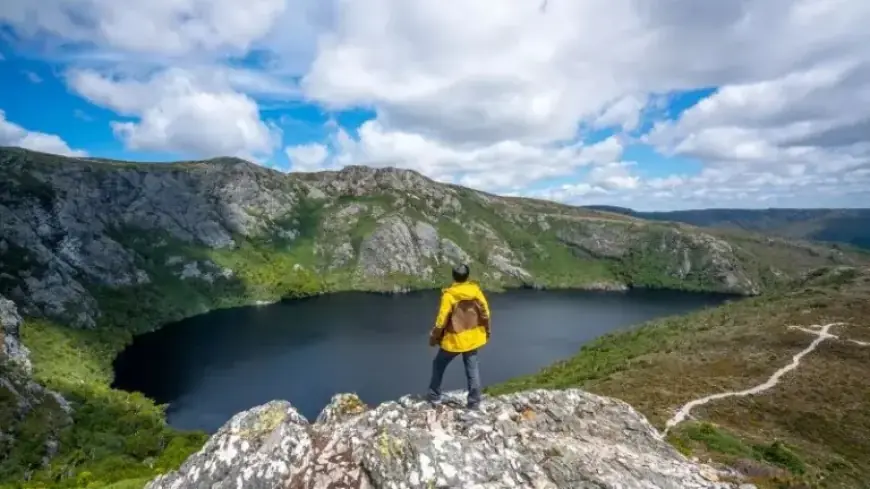
A recent blunder by a travel company has sent tourists on a wild goose chase, leading them to nonexistent hot springs in Tasmania. The now-removed blog post from Tasmania Tours recommended “Weldborough Hot Springs,” described as a serene spot nestled in the northeast Tasmanian forests. However, the location fails to exist.
The Story Behind the Glitch
Published without proper oversight, the blog post caught the attention of travelers seeking unique experiences in the northern region of Tasmania. Located approximately 110 kilometers (68 miles) from Launceston, Weldborough is a quiet rural area with little to offer in terms of such attractions.
Response from the Company
Scott Hennessey, the owner of Australian Tours and Cruises—parent company of Tasmania Tours—admitted to mistakes in the publication process. He stated that their marketing materials were outsourced to a third party. While he usually reviews all posts, this particular one went live during his absence.
“We’re trying to compete with larger companies,” Hennessey noted. He emphasized that the company is legitimate and comprised of real people trying to provide quality service. Unfortunately, this error has led to significant backlash and hurt their reputation.
Impact on Local Businesses
Kristy Probert, proprietor of the Weldborough Hotel, expressed her confusion as tourists began flocking to her establishment, eager to discover the mythical hot springs. Initially receiving a few inquiries in September, she soon found herself inundated with phone calls and visitors.
- Probert reported receiving around five calls daily and numerous walk-ins.
- She humorously offered beers to anyone who could locate the hot springs.
Local Environment
Probert mentioned that the nearby Weld River is notoriously cold and frequented by prospectors rather than tourists. The area does have a sauna in a neighboring town, offering a more realistic relaxation option.
The Role of AI in Travel and Tourism
The incident highlights the growing reliance on artificial intelligence for travel planning. Anne Hardy, an adjunct professor in tourism at Southern Cross University, pointed out that around 37% of tourists utilize AI for travel advice. Despite this trend, she cautioned that many AI-generated itineraries contain errors—about 90% according to some studies.
- Travelers often trust AI recommendations more than traditional review sites.
- AI is used not only for content creation but also for itinerary planning and cost assessments.
Hardy recommended that travelers supplement AI with thorough research from trusted sources like guidebooks and travel agents. She believes this approach helps ensure safety, especially in remote areas with limited services.
Conclusion
The situation in Weldborough serves as a cautionary tale about relying solely on AI-generated content in travel. While technology can enhance convenience, its limitations must be acknowledged. Probert assured prospective visitors that there are plenty of activities in Weldborough—even if there are no hot springs.