

























Edinburgh snow forecast: Mild, rain-leaning pattern keeps “weather Edinburgh” story focused on showers, not snow

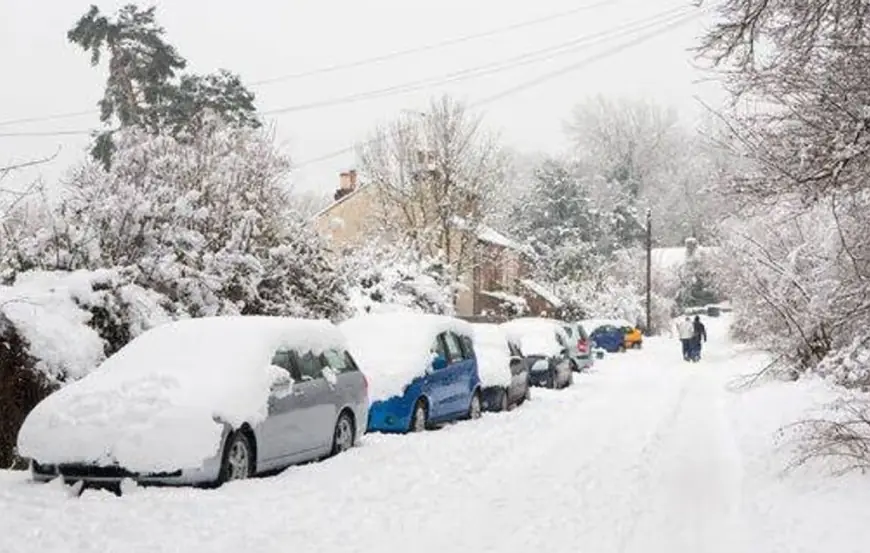
Edinburgh’s snow forecast for the next week is shaping up as a classic late-winter tease: plenty of grey skies and damp spells, but temperatures that stay just warm enough to keep most precipitation as rain in the city. The latest outlook through Wednesday, February 4, 2026 ET shows daytime highs hovering in the low-to-mid 40s Fahrenheit, with overnight lows generally a few degrees above freezing. That combination sharply reduces the odds of meaningful snowfall at lower elevations, even when showers move through.
For residents and visitors searching “weather Edinburgh” and “snow forecast,” the practical message is less about blizzards and more about timing: brief bursts of rain, slick pavements, and the kind of chill that feels wintry without delivering snow accumulation.
Weather Edinburgh: the week ahead, day by day
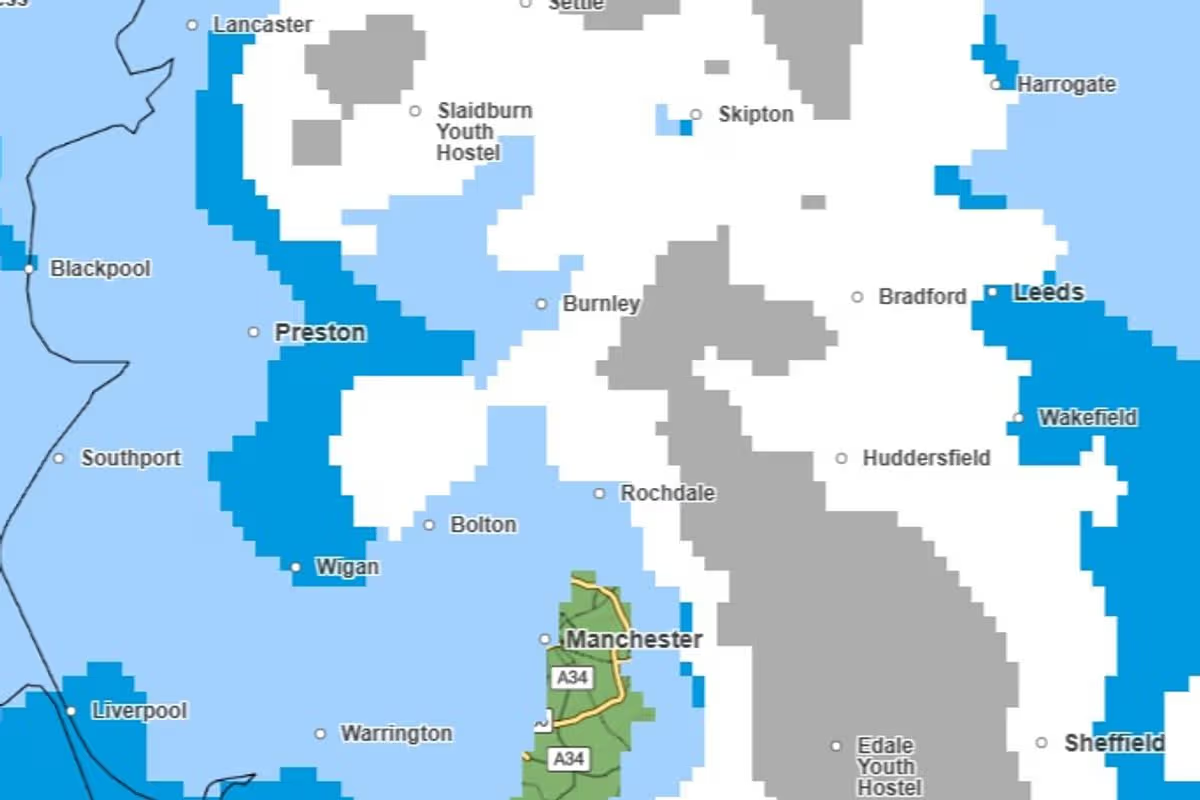
The city is expected to stay mostly cloudy, with intermittent showers and periods of rain later in the period. Here is the city-level snapshot, presented in Eastern Time:
-
Thursday, January 29 ET: Low clouds, high near 43°F, low near 36°F
-
Friday, January 30 ET: Cloudy with a couple of showers, high near 43°F, low near 40°F
-
Saturday, January 31 ET: Cloudy with a brief shower or two, high near 45°F, low near 38°F
-
Sunday, February 1 ET: Cloudy, high near 46°F, low near 37°F
-
Monday, February 2 ET: Cloudy with some afternoon rain, high near 43°F, low near 38°F
-
Tuesday, February 3 ET: Thick cloud with some afternoon rain, high near 44°F, low near 38°F
-
Wednesday, February 4 ET: Periods of rain, high near 45°F, low near 38°F
From a snow-risk perspective, the key numbers are the overnight lows. With lows mostly in the upper 30s to around 40°F, snowflakes would struggle to survive to the ground in central Edinburgh, and any brief wintry mix would be more likely to show up as sleet on the margins of a shower rather than settling snow.
Where snow is still possible: elevation and microclimates around Edinburgh
Even when the city stays rain-dominant, nearby higher ground can behave differently. The Pentland Hills and other elevated areas south and southwest of the city often run colder and can see a rain-to-sleet shift during heavier showers, especially overnight or early morning. That doesn’t guarantee snow, but it’s where the “snow forecast” curiosity has more legitimacy: elevation can shave just enough temperature off the air to change the precipitation type.
This is also why commuters can experience different conditions over a short distance. A wet road in town can coincide with sleetier conditions on higher routes, creating localized slick spots even without a full-on snow event.
Behind the headline: why a “no snow” week still matters
A snow headline is dramatic, but a mild, wet, near-freezing pattern is often more disruptive in subtle ways.
Context: Edinburgh winter weather is frequently defined by marginal temperatures. That creates uncertainty around road treatment and public messaging because conditions can flip quickly if a shower intensifies or a nighttime low dips a few degrees.
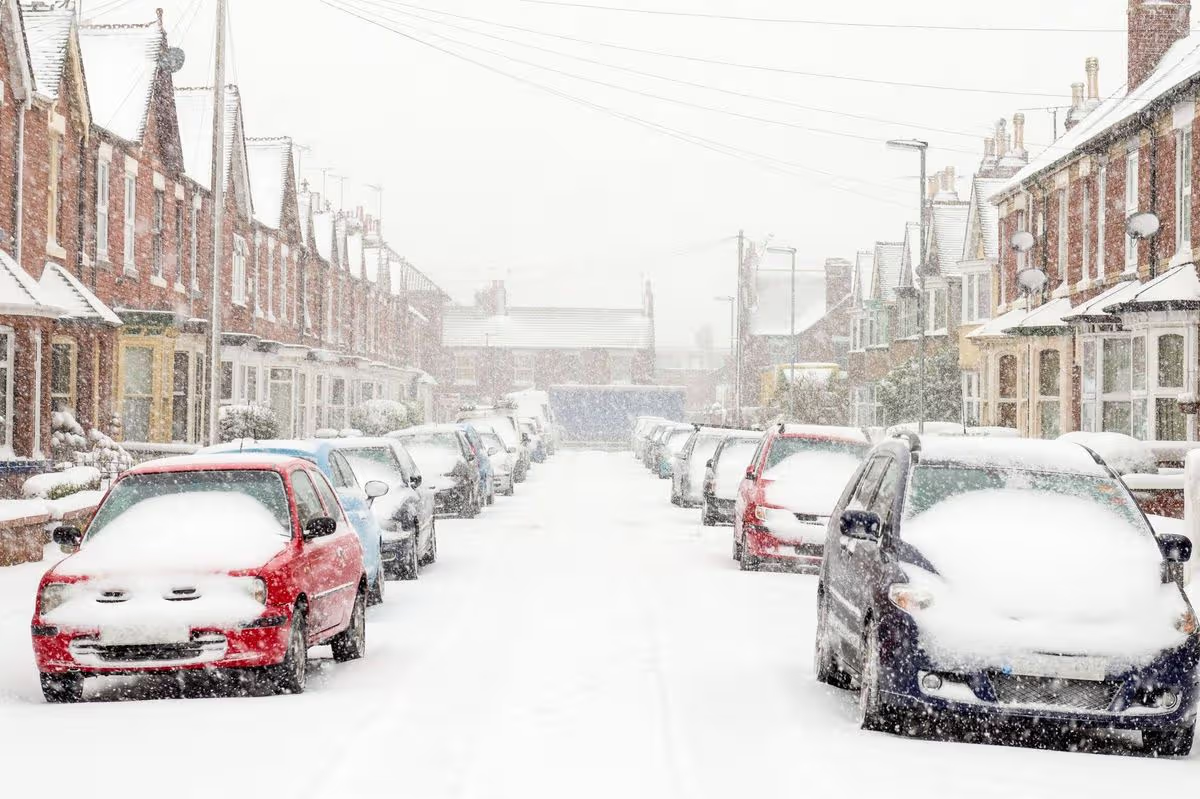
Incentives: City services and transport operators tend to prefer predictable rain over borderline wintry mixes. A small temperature change can drive outsized operational decisions: whether to pre-treat roads, how to staff response crews, and how to manage bus and rail reliability.
Stakeholders:
-
Commuters and pedestrians care most about slippery pavements and visibility in showers.
-
Local services care about salt usage and targeted gritting rather than blanket operations.
-
Retail and hospitality care about foot traffic, which can drop during persistent damp and low cloud even without snow.
Second-order effects: The bigger risk in this pattern is often not snowfall but a sequence of wet days that increases slip hazards, boosts minor travel delays, and keeps heating demand elevated. It can also amplify “winter fatigue,” where the public expects snow but gets weeks of grey, damp weather instead.
What we still don’t know: the thin line between rain, sleet, and surprise flakes
Even with a steady outlook, three uncertainties are worth watching:
-
Shower intensity: Heavier bursts can cool the air locally and briefly push precipitation toward sleet.
-
Overnight timing: A few hours of clearer skies can drop temperatures faster than expected, especially on the edges of the city and higher ground.
-
Wind direction shifts: A subtle change in the air mass can move the region from “chilly rain” to “colder and sharper,” which would raise the snow signal.
What happens next: realistic scenarios and the triggers
-
Rain-and-cloud status quo holds
Trigger: Overnight lows remain mostly above freezing and showers stay light to moderate. -
Brief sleet episodes on higher routes
Trigger: A heavier shower band arrives during the coldest part of the night or early morning. -
A short-lived “wet snow” window outside the city center
Trigger: Lows dip to near 32°F for a few hours while precipitation is ongoing. -
A sharper cold snap increases snow talk later than this outlook window
Trigger: A shift to colder air coincides with an organized rain system, creating a better setup for wintry precipitation.
For now, the Edinburgh snow forecast is a story of near-misses: winter-feeling weather without winter’s headline act. The city should plan for damp, breezy, occasionally showery days—while keeping an eye on higher ground and early-morning temperature dips where the risk of sleet and slick spots rises first.