























Pegula vs Rybakina: Elena Rybakina Edges Jessica Pegula in Australian Open Semifinal Thriller

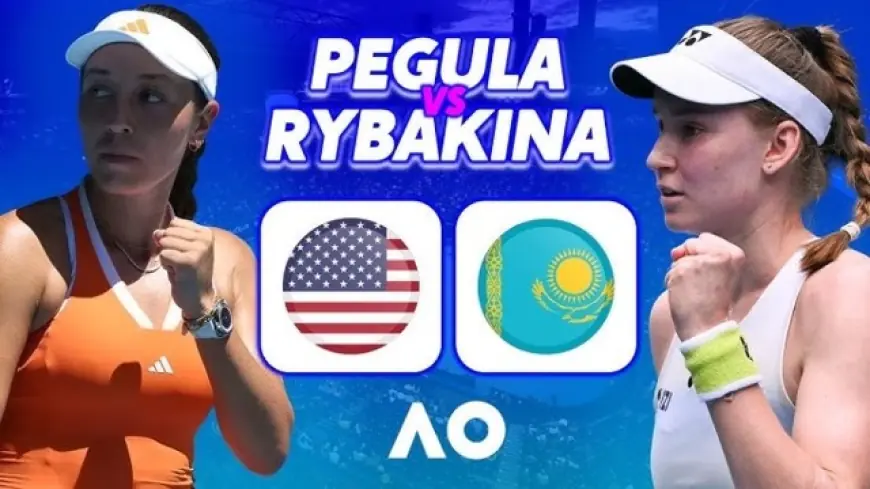
The pegula vs rybakina showdown delivered exactly what it promised: a clash of clean ball-striking, stubborn defense, and late-set nerve. Elena Rybakina outlasted Jessica Pegula 6-3, 7-6(7) on Thursday, Jan. 29, to book a spot in the Australian Open women’s singles final.
Rybakina, the No. 5 seed, will play Aryna Sabalenka for the title after Sabalenka beat Elina Svitolina 6-2, 6-3 in the day’s other semifinal. The matchup sets up a final between two of the game’s biggest servers and first-strike hitters, with the trophy on the line Saturday, Jan. 31, in ET terms.
How Rybakina closed the door after a Pegula push
Rybakina took control early with her pace through the middle of the court and a serve that consistently put Pegula on the defensive. The first set tilted her way at 6-3, with Pegula often forced to defend from several feet behind the baseline to neutralize Rybakina’s weight of shot.
The second set turned into the match Pegula needed: longer exchanges, more returns put in play, and an escalating level of pressure on Rybakina’s margins. Pegula’s timing improved as the set wore on, and the American dragged the match into a tiebreak that swung on a handful of points.
In the end, Rybakina held firm in the breaker, taking it 9-7 to seal the win in straight sets. Further specifics were not immediately available, including the official match duration. Some specifics have not been publicly clarified, including a complete breakdown of winners and unforced errors across both sets.
Why this matchup so often comes down to inches
When Elena Rybakina is serving well, her games can move at a sprint, and the opponent’s window for momentum shrinks fast. Pegula’s best path is usually to make enough returns to force second balls, then redirect pace and test movement patterns rather than trying to trade power shot-for-shot.
That’s also why the tiebreak mattered so much. In women’s singles at the Australian Open, matches are best-of-three sets, and a set that reaches 6-6 goes to a first-to-seven tiebreak that must be won by two points. Semifinal winners advance directly to the championship match, where one set of nerves can decide everything.
Rybakina’s ability to protect her serve and take the few must-have points at the end reflected the core dynamic of this rivalry: Pegula can make it uncomfortable, but Rybakina’s ceiling on serve plus forehand often forces the finish line closer than it looks.
What it means for the final and everyone watching
Rybakina’s win sends her back into the Australian Open final mix, while Pegula’s run ends one step short of the title match. For Pegula, the loss is a tough one because the second set showed she could match the level when she was able to extend points and apply sustained return pressure.
The impact ripples beyond the two players. For tournament organizers and broadcasters, a power-driven final between Rybakina and Sabalenka is the kind of matchup that typically produces quick momentum swings and highlight-reel serving stretches. For fans in the United States and in Kazakhstan, it also puts a spotlight on two different tennis ecosystems: one built on depth and resources, the other on a smaller pipeline producing elite top-end results.
Next up is the only milestone that matters now: the women’s singles final on Saturday, Jan. 31. The next confirmed checkpoint will be the official final order of play and start time listing, with the championship match expected to begin around 3:30 a.m. ET, subject to schedule adjustments.