

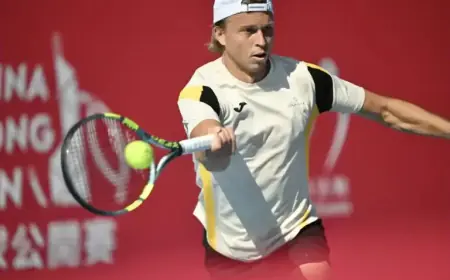























Elena Rybakina vs Jessica Pegula buzz builds as Amanda Anisimova, Wang Xinyu, Elise Mertens, and Peyton Stearns reshape the early-season WTA picture

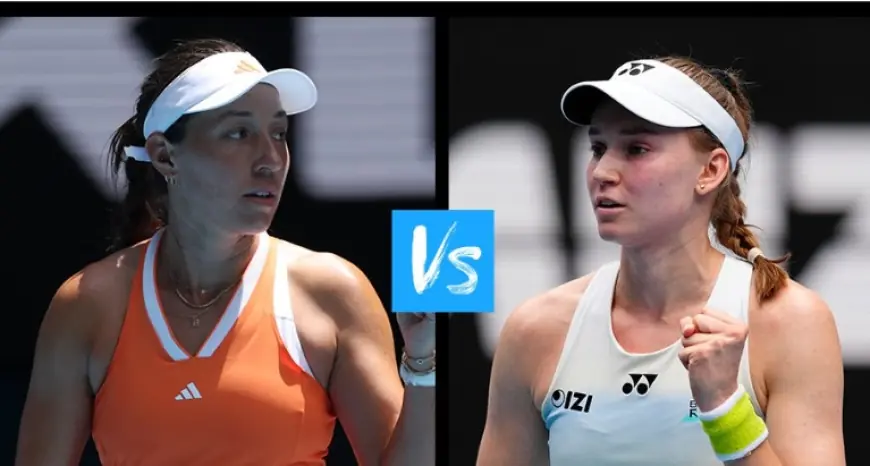
As Thursday, January 29, 2026 ET unfolds, fan search behavior is clustering around a familiar tension point on the women’s tour: the possibility of Elena Rybakina vs Jessica Pegula, alongside renewed attention for Amanda Anisimova, Wang Xinyu, Elise Mertens, and Peyton Stearns. What’s notable is that the interest isn’t just about one matchup or one result. It’s about positioning, momentum, and how quickly storylines can swing in the opening stretch of a season.
This is the kind of moment when tournament draws, fitness updates, and small tactical clues can matter as much as highlight-reel winners. Even without a single confirmed “headline result” attached to these names right now, the combination signals that fans are tracking who looks ready to make a statement next.
Rybakina vs Pegula is a style clash fans trust to deliver
Rybakina and Pegula represent two of the most bankable archetypes in modern tennis.
Rybakina’s appeal is obvious: pace through the court, first-strike patterns, and a serve that can tilt an entire set in a handful of points. When she’s landing first serves and keeping returns short, she can make even elite defenders feel rushed.
Pegula’s draw is different: stability under pressure, a compact counterpunching base that absorbs pace, and a knack for staying close on the scoreboard. When her timing is sharp, she turns big hitters’ “safe” patterns into uncomfortable extra balls and forces them to win multiple times per point.
Behind the headline, the chess match is usually decided by a few margins:
-
Can Pegula neutralize the first two shots often enough to extend rallies into her comfort zone?
-
Can Rybakina protect her second serve and avoid giving Pegula early looks at the middle of the court?
-
Which player owns the return games that start at 0–30 or 30–0, where momentum flips fastest?
That’s why “Rybakina vs Pegula” keeps resurfacing. Fans know the matchup is less about one spectacular point and more about whether patience can outlast power.
The supporting cast isn’t supporting anymore: Anisimova, Wang, Mertens, Stearns
Search attention around the other names reads like a broader audit of who could break into the next tier or reassert themselves.
Amanda Anisimova is often followed with a “what version shows up” curiosity. The incentive is straightforward: a fully firing Anisimova can take the racquet out of opponents’ hands with clean, early ball-striking. The pressure point is consistency over multiple matches, especially when the tour calendar demands quick turnarounds and emotional resets.
Wang Xinyu draws interest because she sits at a crossroads many players face: turning raw tools into repeatable patterns under stress. When her decision-making is crisp, she can look like a player who belongs in the late rounds. When it’s not, the error count can spike quickly. Fans track her because the upside is visible, and the leap from “dangerous” to “reliable” can happen suddenly.
Elise Mertens remains a name that pops up because she’s a matchup problem in a different way: intelligent court coverage, disciplined shot selection, and the ability to exploit opponents who get impatient. The behind-the-headline angle here is longevity and adaptability. Players like Mertens stay relevant because they evolve tactics even when they’re not the loudest story on the tour.
Peyton Stearns is part of a broader theme: emerging players trying to translate flashes into identity. The incentives are huge early in a season: ranking points, main-draw stability, and the confidence that comes from proving a breakout wasn’t a one-off.
Why fans also search “Jessica Pegula husband” during on-court story spikes
When an athlete’s name trends, off-court curiosity follows. In Pegula’s case, fans frequently look up personal-life details when she’s in the spotlight for a big match possibility or a deep run. The key reality is that players vary widely in what they share publicly, and search interest doesn’t always reflect something new happening; it often reflects heightened attention around the person as a whole.
From an incentives standpoint, it’s also tied to modern sports consumption: audiences increasingly follow athletes as public figures, not only as competitors.
What we still don’t know and what to watch next
What’s missing right now is the set of confirmations that turn curiosity into a concrete narrative:
-
Whether Rybakina vs Pegula is actually on a near-term collision course in a draw
-
Any fitness or workload constraints that could influence scheduling and performance
-
Coaching or tactical tweaks that might change familiar matchup dynamics
Next steps: realistic scenarios with clear triggers
Here are plausible ways this storyline develops, depending on what gets confirmed in the next stretch of play:
-
A direct Rybakina–Pegula meeting materializes if both land in the same half and advance through early rounds without upset
-
The matchup gets delayed if a draw placement keeps them separated until late rounds, or if one is knocked out by a stylistic counter
-
Anisimova becomes the headline if she strings together multiple wins that show repeatable patterns, not just peaks
-
Wang Xinyu’s story turns if she posts a signature win that’s backed by controlled error rates, not just shotmaking
-
Mertens and Stearns stay central if they become “draw shapers,” eliminating seeds and changing who faces whom
Why it matters is simple: these names map onto the tour’s current tension between power, problem-solving, and depth. The next time any of them steps on court, the attention won’t just be on the scoreline. It will be on whether the underlying trends finally become results.