






















Record-Low Snowpack Hits Western U.S. Regions

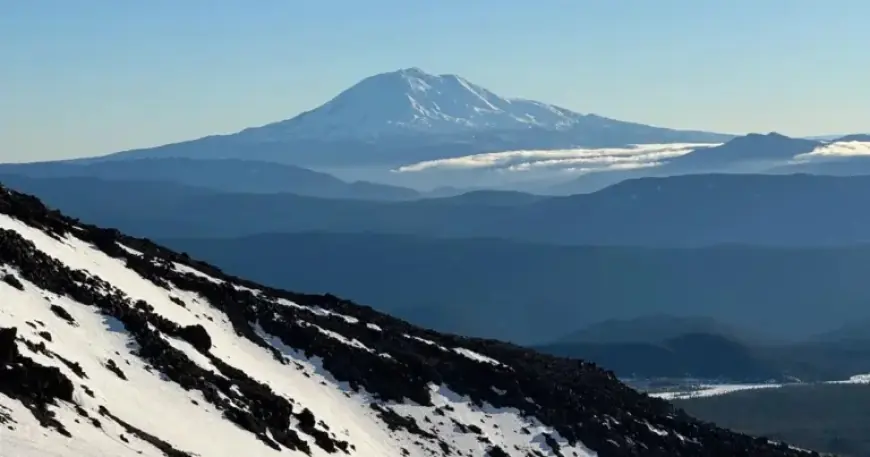
Winter is presenting a significant challenge to the Western United States, with several states confronting record-low snowpack levels. Colorado, for instance, is experiencing its lowest snowpack on record for this time of year, according to state climatologist Peter Goble. Utah is also reporting unprecedented low snowpack levels, raising alarms among scientists about potential impacts on water supply and wildfire risks later in the year.
Current Snowpack Conditions
Measurements from the National Resources Conservation Service highlight concerning trends across the region. Most basins in the Western U.S. are below average snowpack levels, with only a few areas close to normal.
- Colorado: Lowest on record for the season
- Utah: Approaching record lows by February 1
- Washington: Unusually warm conditions, affecting snow accumulation
- California: Some basins, particularly in the Southern Sierras, show above-average snowpacks
Impact on Water Supply and Wildfire Risk
The snowpack in Western states is crucial for water distribution during spring and summer. It markedly influences:
- Agricultural irrigation
- Wildfire season severity
- Hydropower generation capabilities
With the current snowpack drought, concerns are mounting as all regions are not only experiencing below-average snow levels but also facing warmer temperatures that lead to rain, rather than snow, falling in many areas.
Regional Variations and Key Data
Different areas have unique reasons for their low snowpacks. For example:
- In Washington, an early climb of Mount Saint Helens revealed conditions resembling summer.
- In Utah, early rain melted much of the snow below 9,000 feet of elevation.
- Colorado reported that December 2022 was nine degrees warmer than average, heightening concern over snow accumulation.
Forecast and Future Implications
Looking ahead, the National Oceanic and Atmospheric Administration predicts continued dry conditions for much of the Western U.S., with above-average temperatures expected to persist. This situation raises questions about long-term water management strategies, particularly concerning the Colorado River, which supplies drinking water to 40 million people. Low snowpack levels are expected to intensify negotiations among states over water distribution rights, as current allocations may exceed available resources.
Ongoing discussions among the seven states that rely on the Colorado River aim to establish a sustainable long-term plan. However, these negotiations are reportedly stalled, adding urgency to the already critical water situation.
As scientists continue to study the links between climate change and snowpack levels, it is essential to remain vigilant about the implications of this winter’s record-low snowpack across the Western United States.