
























Snow Squall Alert: The Sudden Whiteout Threat That Turns a Normal Drive Into a Multi-Car Pileup

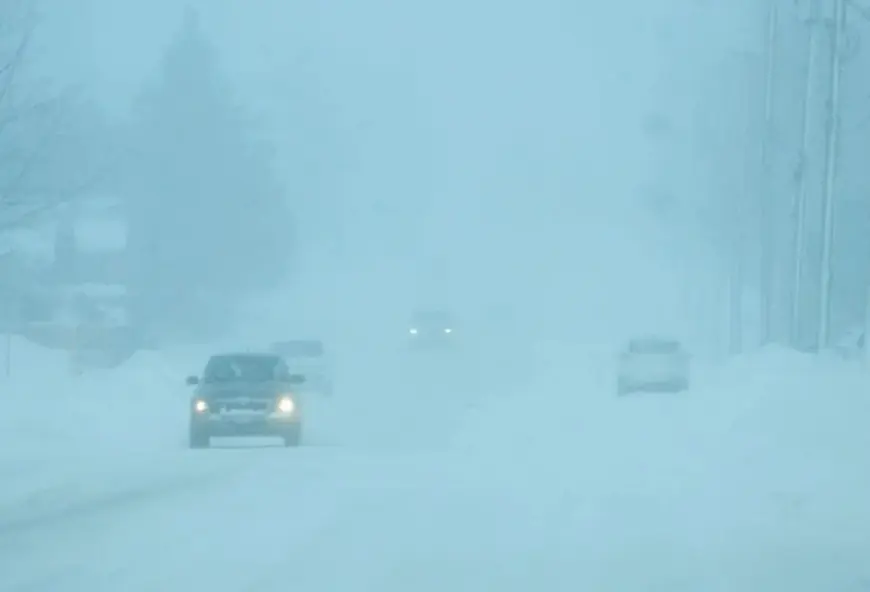
A snow squall isn’t a long, slow-building snowstorm. It’s the winter equivalent of a surprise wall: a fast-moving burst of heavy snow, often paired with gusty winds, that can drop visibility from clear to near-zero in minutes. The result is a rapid shift from “roads look fine” to “I can’t see the car ahead,” with traction disappearing just as drivers realize they’re in trouble.
Snow squalls matter because they exploit human timing. People make driving decisions based on what they see right now. A squall punishes that instinct by arriving suddenly, hitting hardest during peak travel windows, and leaving behind a thin, treacherous layer of snow or flash-frozen slush that can linger long after the visibility improves.
What a Snow Squall Is and Why It’s So Dangerous
A snow squall is typically brief but intense. Think 15 to 45 minutes of heavy snowfall, sharply reduced visibility, and sometimes strong wind gusts that blow snow across lanes. The most dangerous part is the speed of change: a driver might be traveling at highway speeds in normal visibility and, within a mile, enter a whiteout where lane lines vanish and brake lights blur into a gray haze.
Two hazards stack up at once:
-
Visibility collapse: Drivers can’t judge distance, speed, or lane position.
-
Instant slickness: Road surfaces can transition from wet to snow-covered, or from slushy to icy, especially when temperatures hover near freezing.
That combination is a recipe for chain-reaction crashes. The first vehicle brakes hard; the next can’t see it in time; a third slides into both. Even well-maintained highways can become dangerous before plows or salt trucks can respond.
Why Snow Squall Messaging Has Intensified
Snow squalls sit in an awkward space: they’re severe enough to be life-threatening on roads, but often too localized and short-lived to register in the public mind the way a major storm does. That makes risk communication tricky.
The incentive for forecasters and transportation officials is to get drivers to change behavior quickly: slow down, increase following distance, and delay travel if possible. The constraint is “warning fatigue.” If people treat every winter advisory like background noise, the rare moment when the message should change behavior gets ignored.
In other words, the push around snow squall awareness is less about hype and more about a practical problem: how to persuade drivers to take immediate action for an event that might look harmless just minutes before it hits.
Stakeholders: Who Gains, Who Loses, Who Has Leverage
Snow squalls create winners and losers in a very real sense:
-
Drivers and passengers bear the immediate risk, especially commuters, long-haul truckers, and anyone traveling at highway speeds.
-
Transportation agencies face pressure to reduce crash clusters and reopen roads quickly; their leverage is response time and road treatment.
-
Police, fire, and EMS get stretched thin when a single squall triggers multiple collisions across a corridor.
-
Employers and schools influence exposure through schedule decisions: a flexible start time can reduce peak-hour traffic and lower crash risk.
-
Insurers and repair networks absorb the downstream costs when a short-lived burst of weather produces high-density collisions.
The central tension is speed: the weather changes faster than human systems can react. The best “mitigation tool” is often behavior change before the first crash happens.
What We Still Don’t Know in Any Given Squall
Even when conditions favor snow squalls, key details can remain uncertain until the event is underway:
-
Exact placement: A corridor might be safe while a nearby stretch gets hammered.
-
Duration and intensity: The difference between a nuisance and a pileup can be a few minutes of heavier snowfall or a slightly stronger wind burst.
-
Road temperature: Pavement can be just warm enough to melt snow at first, then cool rapidly and refreeze as air temps drop or winds increase.
-
Secondary icing: A squall can leave a thin layer that turns into glare ice later, especially after traffic packs it down.
This uncertainty is why “it looks fine outside” is a poor guide on squall days. The risk is not the snow you see at your driveway; it’s the sudden whiteout five miles down the road.
Second-Order Effects: The Ripple Impacts Beyond the First Whiteout
Snow squalls don’t just cause crashes; they can reshape a region’s day:
-
Logistics delays when trucks slow or routes are temporarily shut down.
-
Hospital bottlenecks if multiple crash victims arrive at once.
-
Aviation disruption if runway visibility drops or de-icing demand spikes.
-
Economic drag from late openings, missed shifts, and collision-related congestion.
A brief burst can create hours of gridlock, towing backlogs, and rerouted traffic that strains adjacent roads not designed for heavy flow.
What Happens Next: Realistic Scenarios and Triggers to Watch
Here are the most likely paths when snow squall conditions develop, along with what tends to trigger each outcome:
-
Minimal disruption scenario: Drivers slow early, traffic volumes are lower than usual, and road treatment is already in place.
-
Localized crash cluster scenario: A squall hits a busy highway segment during the 6 a.m. to 10 a.m. ET commute window and visibility drops faster than drivers can adjust.
-
Multi-corridor disruption scenario: Several squalls track across a region in waves, keeping plows and responders chasing incidents rather than preventing them.
-
Flash-freeze follow-on scenario: Temperatures dip after the squall, and wet pavement refreezes, creating a second hazard after the snow stops.
-
Recovery-and-repeat scenario: Roads reopen and drivers speed back up, then another squall hits a similar corridor later the same day.
The practical trigger to monitor is simple: if visibility is expected to collapse quickly and winds are strong enough to blow snow across lanes, the safest move is to treat the situation like a short-lived but severe event—because that’s exactly what it is.
Why It Matters
Snow squalls are a reminder that winter danger isn’t only measured in inches. A small amount of snow delivered at the wrong time, at the wrong speed, can be more disruptive than a longer storm that people prepare for. The risk is concentrated, sudden, and behavioral: slow down before the whiteout, not after it starts.