

























E. coli Contamination in Pizza Pops Linked to 7 Hospitalizations: Data Reveals

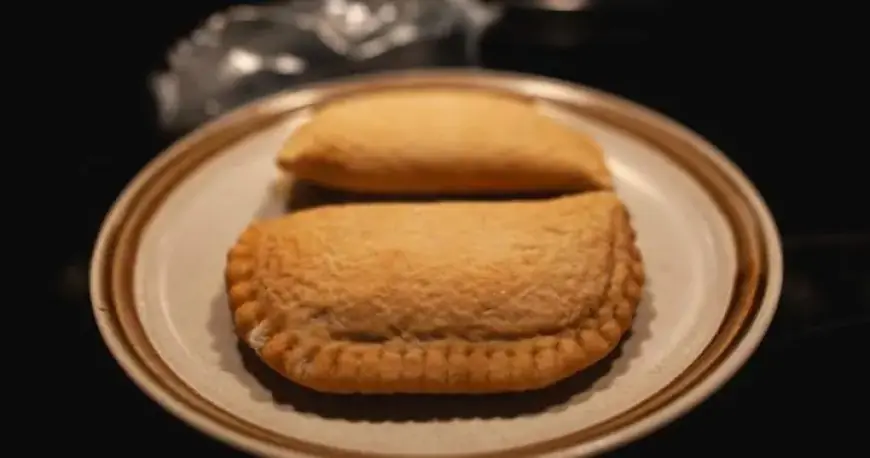
A significant increase in reported illnesses linked to Pillsbury Pizza Pops has prompted a health alert from the Public Health Agency of Canada. The agency reports 29 cases of E. coli O26 contamination, marking a rise from 24 cases reported on December 24, 2025. Seven hospitalizations are confirmed, up from five in earlier reports, while no fatalities have been associated with these products.
E. coli Contamination Details
The affected Pizza Pops have been linked to outbreaks in several provinces:
- Alberta: 12 cases
- Saskatchewan: 6 cases
- British Columbia: 4 cases
- Manitoba: 2 cases
- Ontario: 2 cases
- New Brunswick: 2 cases
- Newfoundland and Labrador: 1 case
The ongoing investigation has identified these products as potentially dangerous. Consumers are advised against consuming, using, selling, or serving the recalled Pizza Pops.
Symptoms of E. coli Infection
The infection can affect anyone exposed to contaminated food. Symptoms may appear days or weeks after exposure, even without any immediate signs. Common symptoms include:
- Nausea
- Vomiting
- Headache
- Mild fever
- Stomach cramps
- Diarrhea
In some cases, symptoms may require medical attention, leading to long-term health issues or even death.
Expanded Recall Information
The Canadian Food Inspection Agency expanded the recall on January 25, 2026, following a previous recall in December 2025. Currently, around a dozen Pizza Pops products, including various sizes and types, are being removed from the market. This includes:
- Pepperoni and Bacon (various sizes)
- Supremo Extreme Pepperoni and Bacon (30 pizza snacks)
- FRANK’s RedHot Pepperoni and Bacon (four pizza snacks)
- Three Meat (four pizza snacks)
- Pepperoni (various sizes)
- Three Cheese (various sizes)
- Deluxe (various sizes)
As investigations continue, health officials emphasize the importance of monitoring any potential illnesses and updating the public on the status of the outbreak.