

























Doomsday Clock Director Criticizes Leadership, Explains Current Setting

The Doomsday Clock, a symbolic representation of how close humanity is to global catastrophe, has been moved closer to midnight again. This decision reflects a significant rise in existential threats to the world as determined by the Bulletin of the Atomic Scientists.
What is the Doomsday Clock?
The Doomsday Clock serves as a metaphor for the world’s proximity to catastrophic events. It is updated yearly, with midnight denoting the hypothetical point of annihilation. Recent threats include geopolitical unrest, climate change, pandemics, and technological advancements.
Recent Updates to the Clock
In January 2023, the clock was set at 90 seconds to midnight, the closest it has ever been. This adjustment was influenced by the ongoing dangers from the conflict in Ukraine among other global issues.
Current Settings and Criticism of Leadership
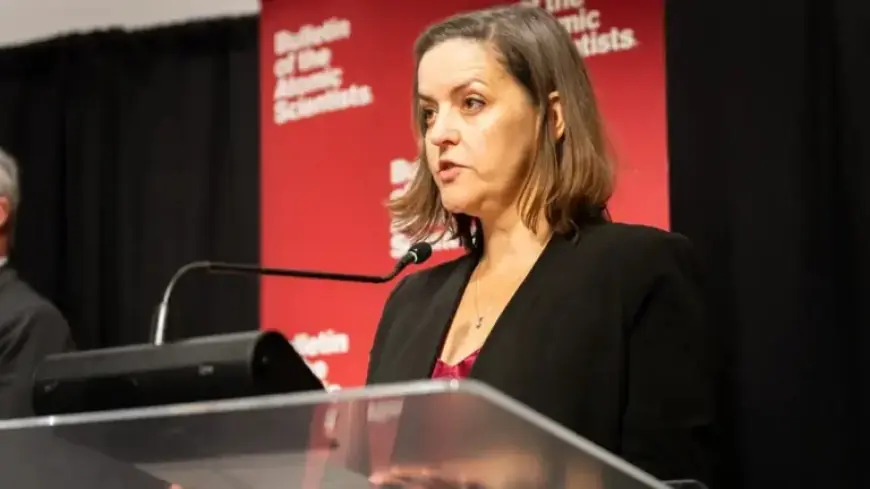
Alexandra Bell, president and CEO of the Bulletin of the Atomic Scientists, highlighted a “failure of leadership” globally. She expressed concern over the rise of catastrophic risks and diminishing cooperation among nations.
Reasons for Moving the Clock
- Increased risks from nuclear conflict and climate change.
- Emerging risks in life sciences and technologies, such as artificial intelligence.
- Insufficient regulations to manage these threats.
- Declining attacks on science and diplomacy.
- Lack of political will from global leaders.
Insights from Alexandra Bell
Bell emphasized that nearly 80 years after the clock’s inception, it remains crucial for prompting discussions on global risks. She noted that the urgency of the situation has escalated and called for action to avert a disaster.
Addressing Concerns Over U.S. Leadership
Bell pointed out that the current Doomsday Clock setting reflects a global leadership crisis, including actions taken by the U.S. administration. She noted inconsistencies between presidential rhetoric on nuclear threats and the lack of significant action.
Responding to Existential Threats
The average citizen plays a vital role in moving the clock backward. Engaging in discussions within their communities and advocating for action from elected leaders can influence change. Knowledge and awareness are essential for collective movement towards a safer future.
The Bulletin of the Atomic Scientists continues to publish insights that can mobilize action against these pressing challenges. Each individual contribution matters in addressing these significant threats.