
























Consumer Confidence Plummets to Lowest Since 2014

In January 2023, consumer confidence in the United States fell sharply, marking its lowest point since 2014. The Conference Board’s Consumer Confidence Index dropped 9.7 points to 84.5, reflecting heightened concerns over geopolitical tensions, affordability challenges, and ongoing trade disputes under President Donald Trump.
Significant Declines in Economic Sentiment
The latest index reading was well below the forecasted 91.1 by economists surveyed by FactSet. Both current conditions and future expectations for the economy saw significant declines. Dana Peterson, chief economist at The Conference Board, highlighted that all five components of the Index worsened, surpassing even the low points experienced during the COVID-19 pandemic.
- Current Economic Conditions: Sharp decrease in consumer sentiment.
- Expectations for Future: Significant pessimism about economic recovery.
Drivers Behind the Drop in Confidence
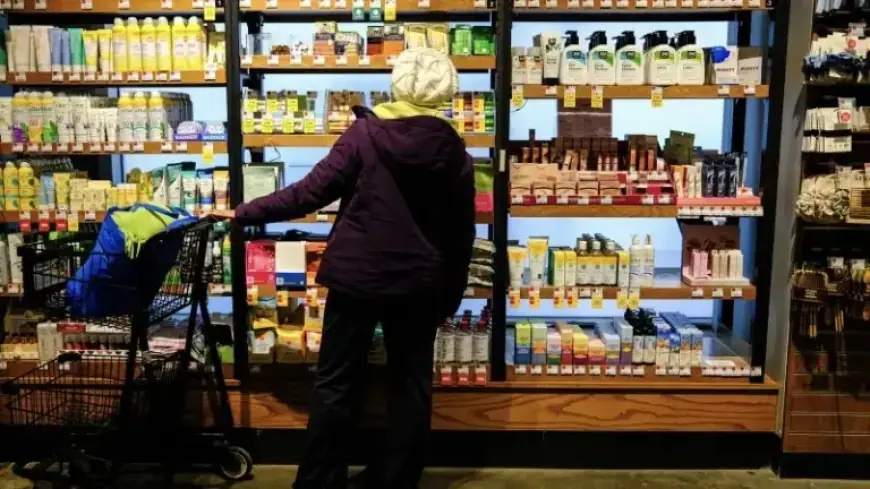
Key factors contributing to this decline included rising prices across essential goods such as groceries and utilities. There were notable increases in mentions of tariffs, trade issues, and geopolitical tensions, with heightened concerns around the economy’s impact on the labor market. Heather Long, chief economist at Navy Federal Credit Union, emphasized the frustration of American consumers as they navigate rising costs.
- Concerns regarding inflation and living costs.
- Increased apprehension about job stability.
Consequences for Economic Growth in Early 2026
Despite the pessimistic outlook, past trends suggest that consumer spending may hold steady. Previous experiences during periods of low confidence have shown that Americans continue to spend even amidst economic uncertainty. In 2022, spending remained robust despite high inflation and negative consumer sentiment.
Potential Impacts of Tax Refunds
Looking forward, many households anticipate larger tax refunds, projected by the Treasury Department to average around $1,000 this year. However, economic analyses indicate that weak job growth will likely persist throughout 2026, posing challenges particularly for new graduates and those recently laid off.
- More than 55% of respondents in a recent survey found it increasingly difficult to secure jobs.
- Job market pessimism is at its highest since the pandemic began.
Future Employment Outlook
Economists predict that the unemployment rate could rise approaching 4.6% by the second quarter of 2026. This anticipated increase will likely weigh on retail sales as consumers adjust their spending habits due to economic insecurity.
As the situation unfolds, the ongoing dialogue around consumer confidence remains critical in forecasting economic trends and potential recovery pathways.