























Indian-American Group Criticizes H-1B Visa Delays as Targeted Discrimination

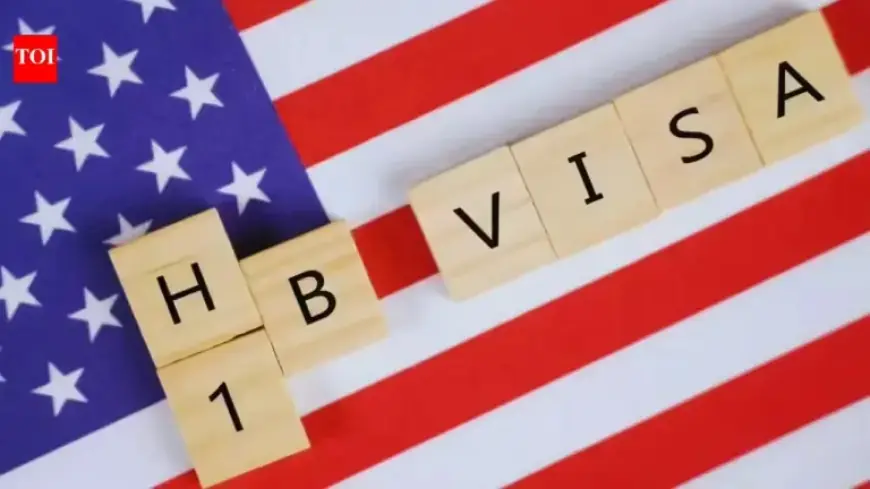
Concerns have arisen regarding significant delays in H-1B visa processing for Indian-American applicants. The Indian-American Advocacy Council, led by co-founder Rajeev Sharma, labels these delays as targeted discrimination against professionals who have legally earned their right to work in the United States.
H-1B Visa Delays and Criticism
Rajeev Sharma expressed frustration over the extended timeline for H-1B visa stamping in India, which has now been pushed to 2027. He argues that this situation unfairly targets Indian-Americans who contribute to the U.S. economy. He drew a stark comparison between these delaying issues and the ease with which OnlyFans creators receive O-1 visas, stating, “Absolutely pathetic.”
Sharma continued his critique towards U.S. policies, suggesting that the trading of H-1B visa holders for OnlyFans models represents a failure in governance. He pointed to issues of transparency and non-compliance with prior agreements, criticizing the management of immigration policies as a decline influenced by soft Islamic ideologies.
Recent Developments in Visa Processing
In recent months, the rescheduling of visa appointments has frustrated many H-1B applicants. Starting December 15, 2022, the State Department initiated social media vetting for H-1B applicants and their dependents, leading to a bottleneck as consulates struggled to keep pace with processing demands.
- Initial interview dates were delayed into April 2026.
- By January 2023, notifications sent to applicants pushed some interview dates to 2027.
This ongoing backlog has left many applicants anxious, as they need timely visa stamping to return to the U.S. after travels abroad. Originally assuming they’d qualify for quick appointments, they are now confronted with a waiting period extending beyond three years.
Understanding H-1B Visa Stamping
H-1B visa stamping is essential for foreign workers. It involves affixing the H-1B visa in the applicant’s passport by a U.S. embassy or consulate overseas. Without this stamping, individuals cannot legally enter the U.S.
Many Indian nationals had traveled to their home country expecting to complete this process as their previous visas neared expiration. Currently, those individuals find themselves in limbo, unable to return to work due to delayed processing of their visa applications.
Impact on Indian-American Professionals
The ongoing delays in H-1B visa processing threaten job security for countless Indian-Americans. As employment opportunities diminish due to rescheduled interviews and extended wait times, concerns mount over the future of skilled professionals in the U.S. workforce.
Sharma concluded by emphasizing the importance of adhering to previously established immigration protocols, warning that the current trajectory could have lasting negative ramifications for Indian-Americans who have followed the legal pathways to contribute meaningfully to society.