

























Josh Safdie and Benny Safdie: Why the Safdie Brothers’ “Good Time” Is Back in the Conversation, and What Comes Next

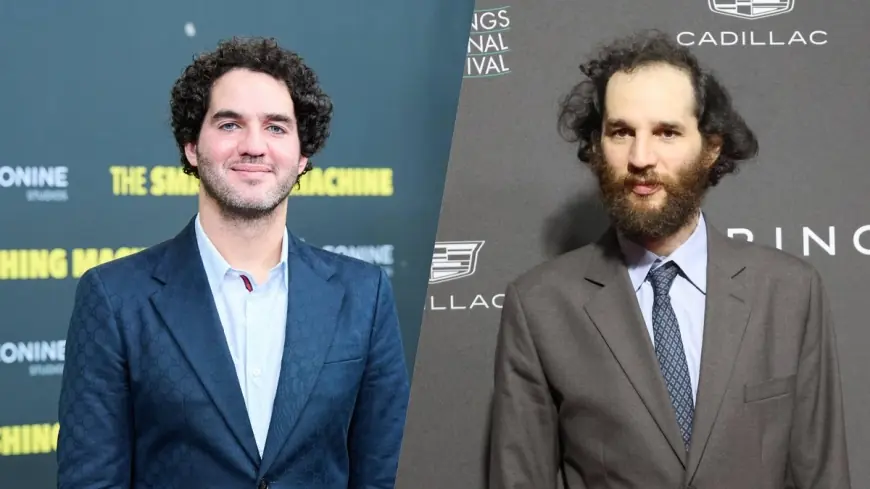
“Good Time” has a way of resurfacing—partly because it’s built like a runaway train. Nearly a decade after its release, the Safdie brothers’ breakout crime thriller is being rewatched, re-litigated, and re-recommended as audiences track what Josh Safdie and Benny Safdie do next, both together and separately.
The renewed attention matters because “Good Time” wasn’t just a well-made indie. It helped codify a modern template for urban thrillers: breathless pacing, moral compromise presented without lectures, and a camera that feels like it’s chasing its characters rather than observing them. In an era where audiences are increasingly trained to spot a “house style,” the Safdies’ signature remains instantly recognizable.
Good Time movie: what happened in the film, and why it hit so hard
“Good Time” (released in 2017) follows Connie Nikas, a small-time criminal who spends one chaotic night trying to spring his brother from custody after a robbery goes wrong. The story is simple on paper—one objective, one night, constant obstacles—but the execution is what made it land: escalating consequences, impulsive decisions, and the sense that every “solution” makes the situation worse.
A key part of the movie’s impact came from casting and performance. Robert Pattinson’s Connie is all momentum and manipulation, the kind of character who can sound convincing even while obviously lying. The film’s tension doesn’t rely on a grand mystery; it relies on how long Connie can keep outrunning the truth—about himself, his limits, and the damage he’s causing.
Who are Josh Safdie and Benny Safdie, and what defines the Safdie brothers style?
Josh and Benny Safdie built their reputation through intense, street-level storytelling: characters under pressure, dialogue that overlaps, sound design that amplifies panic, and editing that turns minor setbacks into full-blown crises. “Good Time” crystallized that approach in a way that traveled widely—film fans could describe it in one sentence (“a night spiraling out of control”), then immediately recommend it to anyone craving something raw and fast.
In the years since, the Safdies’ public identities have also evolved. Benny Safdie has increasingly become visible as an actor, while Josh Safdie has leaned into behind-the-camera work. That shift is one reason people keep circling back to “Good Time”: it’s a shared reference point for a duo whose careers are no longer always presented as a single unit.
Behind the headline: why “Good Time” keeps getting rediscovered
The movie keeps returning because it offers something rare: urgency without fantasy. Even when its plot pushes into extremes, the emotions feel grounded—fear of losing family, desperation to fix an irreversible mistake, and the illusion that one more scheme will solve everything.
There are also clear incentives powering the film’s afterlife:
-
For audiences: “Good Time” scratches the itch for tension without homework. You don’t need lore; you need nerves.
-
For actors: It’s a proof-of-range touchstone—one of those roles people cite when discussing what a performer can do under pressure.
-
For filmmakers: It’s a case study in how to make a modestly scaled story feel enormous through rhythm, sound, and escalation.
-
For the wider industry: It reinforces the value of a distinct directorial voice at a time when many thrillers can blur together.
The stakeholders here aren’t just the Safdies. The movie has become part of a broader ecosystem of indie filmmaking—where financing is tight, attention is scarce, and a recognizable approach can be as valuable as a recognizable character.
What we still don’t know
Even if “Good Time” feels definitive, the larger Safdie story is still open-ended:
-
Will Josh and Benny Safdie reunite as co-directors in the near term, or is the split in roles (director vs. actor) the new normal?
-
How will their evolving careers change their shared style—will it sharpen, soften, or fragment into separate signatures?
-
Will “Good Time” be reframed by what they make next, or remain the clearest blueprint of their early peak intensity?
What happens next: realistic scenarios and triggers
-
A high-profile new project recontextualizes “Good Time.”
Trigger: casting announcements or a festival premiere that makes critics and fans revisit the earlier work. -
A “return to roots” phase.
Trigger: a smaller, leaner thriller that explicitly echoes the one-night pressure-cooker structure. -
A formal Safdie brothers reunion on a major title.
Trigger: a project that demands both voices—complex ensemble, heavy logistical choreography, or a tone that benefits from their push-pull dynamic. -
Benny’s acting profile overtakes the duo branding.
Trigger: one or two breakout performances in a row that make him a go-to supporting lead. -
Josh expands into producing and shepherding new voices.
Trigger: his name attaching to multiple emerging filmmakers in a short span.
Why it matters
“Good Time” isn’t trending because it’s nostalgic. It’s trending because it still feels modern: anxious, propulsive, and painfully human in the way it shows people rationalizing the damage they cause. As Josh Safdie and Benny Safdie continue to define their next chapters, “Good Time” remains the cleanest snapshot of what made the Safdie brothers essential—and the measuring stick against which their next risks will be judged.