
























Trump Proposes 10% Cap on Credit Card Interest: Is It Beneficial?

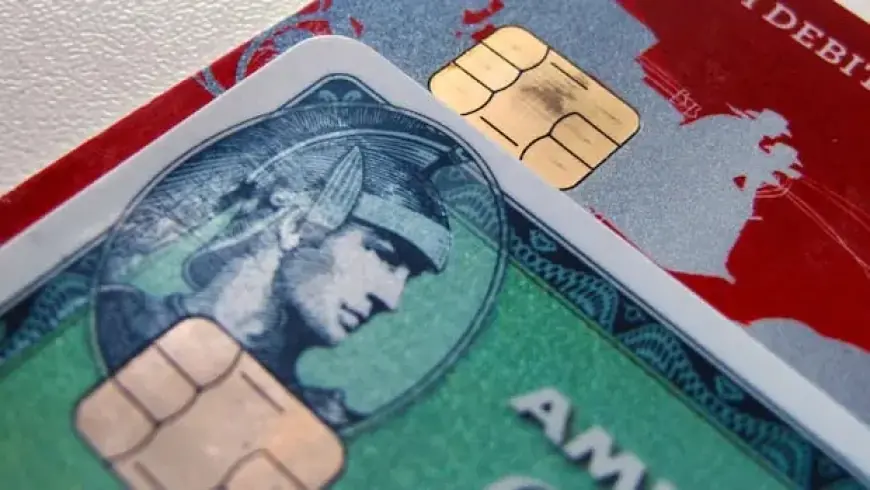
U.S. President Donald Trump has proposed a cap on credit card interest rates at 10%. This initiative aims to alleviate the financial burden for consumers, especially in light of rising household debt. Trump has directed credit card companies to adopt this cap by January 20. Failure to comply may prompt legislative action from Congress to enshrine this cap into law.
Impact on Consumers and Economy
Experts argue that while the proposed cap could provide temporary relief, it may have adverse effects on credit availability. Joseph Brusuelas, chief economist at RSM, warned that such an artificial limit would likely reduce credit access for low-income households. This could result in less spending, potentially slowing the economy and increasing unemployment rates.
Average Interest Rates
As of January, the average U.S. credit card interest rate stood at 23.79%. Subprime borrowers often face rates exceeding 30%. The proposed cap has drawn attention as a way to tackle the financial challenges faced by many households.
Political Reactions
Trump’s proposal has received mixed reactions. Some Republicans, outside his core supporters, are dissatisfied with the administration’s handling of economic issues. A recent Angus Reid survey indicated that many party members are concerned about rising costs and household debt.
Banking Sector Concerns
- Vanderbilt University estimates that the banking sector could lose billions with a 10% cap.
- JPMorganChase’s CEO Jamie Dimon warned that such a move could lead to an “economic disaster,” affecting credit availability for 80% of Americans.
- The American Bankers Association cautioned that the cap might push consumers toward less regulated financial alternatives.
Effects on Credit Card Rewards
The proposed cap may also jeopardize credit card rewards programs. Patrick Sojka, founder of Rewards Canada, explained that these programs are typically funded through interest income. A profit reduction could lead companies to scale back on rewards, making credit cards less advantageous for consumers.
Bipartisan Support and Criticism
Interestingly, Trump’s interest in capping credit card rates aligns him with progressive Democrats like Senators Elizabeth Warren and Bernie Sanders. Both have previously advocated for a similar initiative, aiming to protect consumers from high-interest rates.
Despite some bipartisan understanding, caution remains among certain Republicans. House Speaker Mike Johnson has urged careful consideration of potential negative outcomes associated with such a cap.
The ongoing discussion reflects a significant pivot in addressing consumer debt and credit card practices in the U.S. As debates continue, the impact on economic health, consumer spending, and overall financial stability remains to be seen.