

























US Rate Review Complicates Coordinated Yen Intervention Efforts

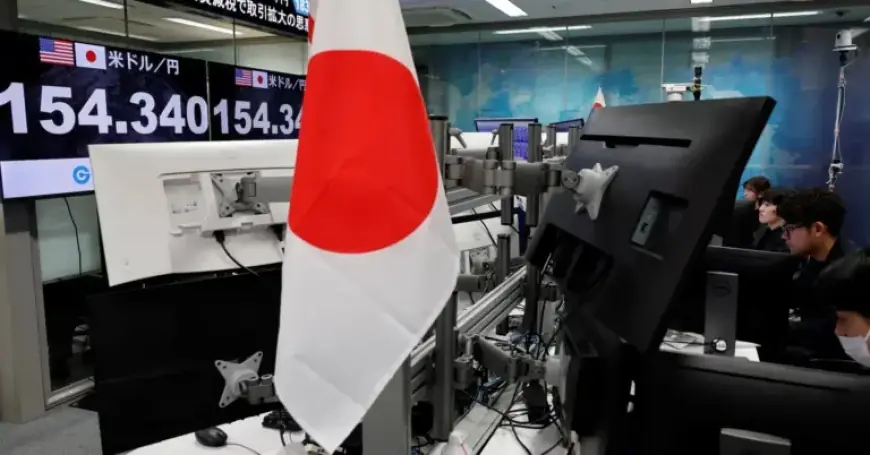
The recent actions by the New York Federal Reserve have sent ripples through the financial markets, affecting the Japanese yen significantly. On January 26, 2023, analysts observed that these actions could signal potential intervention by the U.S. and Japan. However, the likelihood of coordinated efforts to stabilize the yen remains low for the time being.
U.S. Rate Review Impact on Yen Intervention
The Federal Reserve’s latest rate review constitutes the strongest indication yet of collaboration between U.S. and Japanese authorities regarding the yen’s decline. This unusual rate check has raised expectations for intervention but has not accelerated the timeline for joint action, according to financial analysts.
Analysts’ Perspectives
Junya Tanase, chief FX strategist at JP Morgan, emphasized that coordinated interventions are historically rare. He noted that the gap between mere rate checks and actual joint intervention is significant. As a result, while fears of intervention have led to a temporary recovery of the yen from 18-month lows, decisive actions may not materialize soon.
Japanese Government’s Stance
Japanese Finance Minister Satsuki Katayama has consistently expressed alignment with U.S. Treasury Secretary Scott Bessent on currency management. She has warned against speculative actions affecting the yen and has mentioned that no options for intervention are off the table. This strong stance was particularly noted during her remarks on January 16, 2023.
Economic Context and Yield Concerns
Recent discussions in Davos by Bessent highlighted U.S. concerns over rising Japanese yields and their potential impact on U.S. Treasury securities. BOJ Governor Kazuo Ueda indicated readiness to collaborate closely with the Japanese government on mitigating sharp yield increases, perhaps by employing emergency bond-buying measures.
Market Reactions and Trends
- The yen recently improved to a two-month high of 153.89 per dollar.
- Market analysts are closely watching the potential for joint intervention.
- Japanese government bonds and U.S. Treasuries have been affected by these movements.
Challenges Ahead
Even if U.S. support materializes, Japan would require approval from other G7 nations to initiate market intervention. The last coordinated action on the yen occurred in 2011, following a major natural disaster in Japan. Current market conditions, however, present a different set of challenges related to Japan’s fiscal policy management.
The BOJ faces a delicate balancing act. It must control the depreciation of the yen while avoiding actions that could provoke higher bond yields. Ueda’s cautious stance reveals an understanding of the complexity involved in navigating these economic waters.
As the situation develops, the market remains vigilant, aware that both domestic and international factors will play crucial roles in determining the future of the yen and any potential coordinated intervention efforts.