Will Trump Stand Firm Next Time?

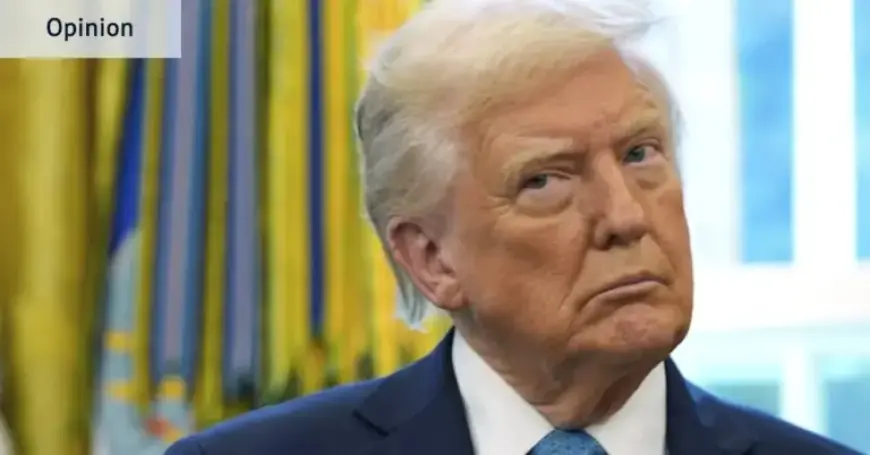
Donald Trump’s actions and strategies have sparked ongoing debate among investors and analysts. For years, many believe he has displayed the characteristics of a classic bully—backing down when faced with strong opposition. This theory, known as the “TACO” trade, stands for “Trump will Always Chicken Out.” However, the markets might be growing increasingly complacent about this notion.
Market Reactions to Trump’s Policies
Throughout much of Trump’s second term, his decisions have consistently influenced investor behavior. A noteworthy event occurred last year when the stock and bond markets reacted sharply to Trump’s “Liberation Day” tariffs, announced on April 2. The initial response was so intense that Trump quickly suspended these tariffs for 90 days and softened their intended impact.
China and Trade Relations
China retaliated with its own tariffs. In the aftermath, Trump has largely avoided direct references to the ongoing trade relationship with China. Instead, he seems to target perceived softer opponents, such as various BRICS nations and Canada.
- Trump threatened BRICS economies with tariffs over attempts to create an alternative currency to the US dollar.
- Canada has been on the receiving end of threats for not aligning with U.S. interests.
- Other nations, including Brazil and France, faced similar ultimatums without any severe consequences for Trump.
Global Responses
The European Union also exhibited a united front against Trump’s proposed tariffs on their exports. They warned of serious retaliatory measures, including potential tariffs on $93 billion worth of US goods. This response highlighted their readiness to protect their interests against Trump’s aggressive trade policies.
Influence of Market Sentiment
Investor sentiment appears critical in shaping Trump’s decisions. For instance, a recent uptick in market tension saw a two percent drop in the US stock market, alongside rising bond yields and a tumbling dollar value. This swift downturn served as a warning to the Trump administration.
After facing this backlash, Trump announced a “framework” agreement regarding Greenland, dropping immediate EU tariff threats—despite earlier claims that such ownership was non-negotiable. This backtrack further illustrates the extent to which market reactions can influence Trump’s policies.
The Importance of Investor Response
The “TACO” trade has become ingrained in market psychology. Investors have learned to anticipate that Trump may buckle under pressure from public or market backlash. Past experiences suggest that unless investors respond vigorously to every threat, Trump could persist with his more extreme policies.
- Trump’s tariff levels are already at unprecedented heights, contributing to rising costs for American households.
- Despite these tariffs, US consumption remains steady, buoyed by significant investments in technology.
Potential Future Risks
Despite past behavior, the notion that Trump will always back down is not guaranteed. If investor sentiment remains lukewarm, Trump might pursue even more aggressive policies, potentially leading to significant economic fallout.
Current economic challenges, the rising US debt, and social disruptions contribute to an increasingly complex landscape for investors. A persistent lack of confidence could amplify market reactions to any future aggressive demands made by Trump.
Conclusion
In summary, while the “TACO” trade reflects a common belief regarding Trump’s approach to governance, prevailing market conditions could significantly alter this dynamic. Investors must remain vigilant and proactive to effectively navigate the ongoing uncertainties of Trump’s presidency.