BoC and Fed Likely to Maintain Interest Rates Amid Trade Uncertainty

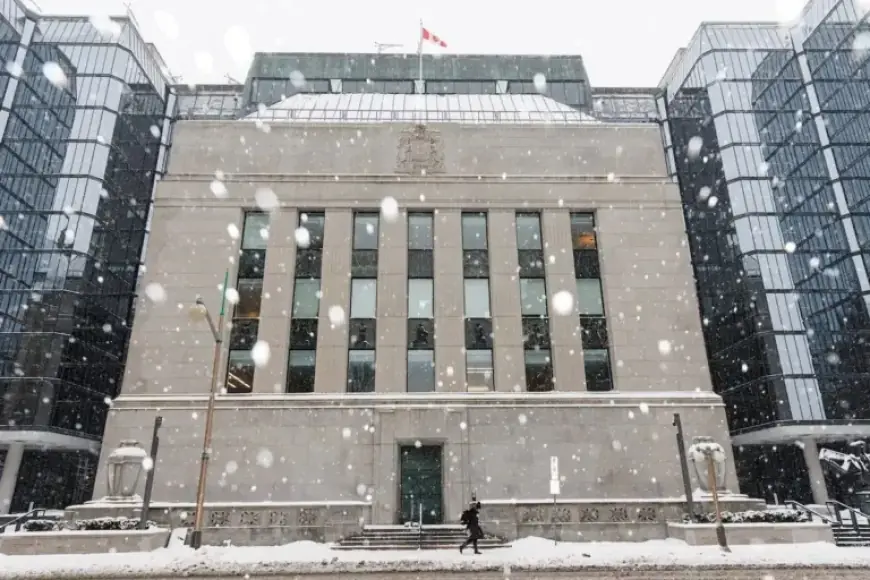
The Bank of Canada (BoC) has opted to maintain its interest rate at 2.25% as of December 2024. This decision follows nine rate cuts since the summer of 2024, marking a significant phase of policy stability amid ongoing trade-related uncertainties on the North American front.
Current Economic Climate in Canada
Financial analysts anticipate that the Bank of Canada will keep interest rates unchanged again this Wednesday. The current economic landscape remains uncertain, largely influenced by relations with the United States and trade negotiations. Despite these challenges, Canada has managed to avoid the recession many predicted a year prior.
Key Economic Indicators
- Interest Rate: Held steady at 2.25%.
- Employment: Unemployment levels remain elevated.
- Inflation Rate: Annual inflation rose slightly to 2.4% in December.
Core inflation rates, reflecting broader economic trends, have eased, indicating that while inflation is a concern, it remains within manageable limits for the Bank of Canada.
Trade Uncertainty and Its Impact
Trade tensions have escalated, particularly with U.S. President Donald Trump threatening to impose 100% tariffs on Canadian goods. This threat follows a recent trade agreement between Canada and China aimed at reducing tariffs on electric vehicles and agricultural products.
Such trade vulnerabilities could indirectly impact Canadian monetary policy, although Governor Tiff Macklem has indicated a cautious approach. He emphasized the importance of not reacting impulsively to ongoing news from Washington, which has often been unpredictable.
Federal Reserve Considerations
Meanwhile, the U.S. Federal Reserve (Fed) also faces its own set of challenges. In December 2024, the Fed lowered its target funds rate to a range of 3.5% to 3.75%. The central bank has stated that it is well-positioned to monitor the evolving economy, a stance that could draw criticism from the Trump administration.
Market Predictions
The financial markets do not foresee immediate changes in interest rates from either bank. Most analysts project that the Bank of Canada will remain on hold through 2026. For the Fed, predictions suggest a maintenance period lasting through its next three meetings, with potential cuts anticipated by June.
Outlook for the Future
As both banks navigate these uncertain waters, the focus remains on economic indicators such as inflation, employment rates, and consumer confidence. The Bank of Canada is scheduled to release its quarterly Monetary Policy Report soon, which will provide updated forecasts on economic growth and inflation. Observers will be keen to analyze these insights for hints of future monetary decisions.
In conclusion, both central banks are adopting a ‘wait and see’ stance as they gauge the economic landscape ahead, emphasizing cautious monitoring over reactive measures.