Dollar Faces Pressure Amid Investor Reassessment of Trump Policies and Geopolitical Risks

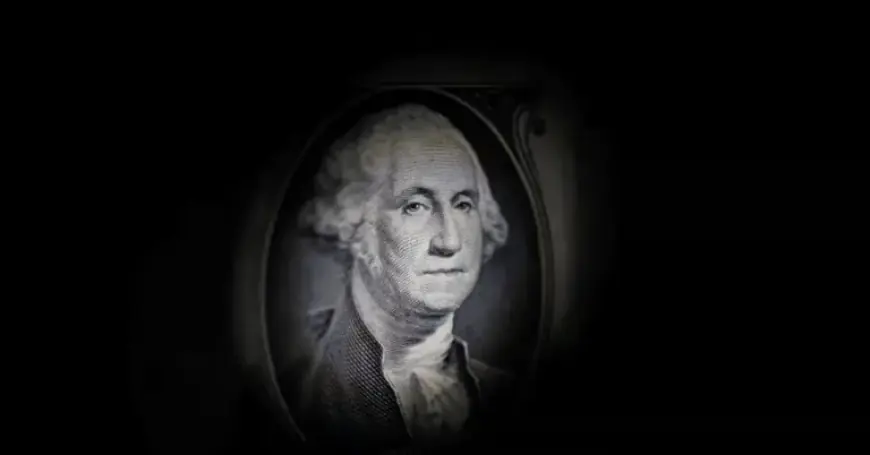
The U.S. dollar faces significant challenges as investors reassess the impact of various geopolitical risks and Donald Trump’s policies. A volatile market environment has prompted a reevaluation of the dollar’s stability as key factors emerge.
Current State of the Dollar
Recently, the dollar is experiencing its most substantial three-day decline since April, driven by investor reactions to U.S. policies. Concerns about a weaker dollar have shifted investor sentiment, affecting major currencies like the euro, sterling, and Swiss franc.
Impact of Trump’s Policies
- In 2026, the dollar dropped more than 9% compared to previous years, highlighting the negative influence of Trump’s erratic trade strategies.
- His approach includes increasing tariffs and aggressive spending, which has undermined the dollar’s appeal.
- Market expert Seema Shah notes that a convergence of factors is faster than anticipated, causing added pressure on the dollar.
Geopolitical Concerns and Investor Behavior
Trump’s foreign policies, including recent threats to Canada, have contributed to heightened tensions. This environment fosters investor uncertainty, with volatility measures running high.
Federal Reserve and Interest Rates
The Federal Reserve is anticipated to lower interest rates multiple times this year, in contrast to other central banks that may increase their rates. This divergence diminishes the dollar’s attractiveness for investors seeking better returns elsewhere.
Global Market Dynamics
- Global stocks surged last year, driven by enthusiasm for technology and AI.
- The S&P 500’s performance since Trump’s inauguration lags behind other major indices, highlighting a trend of diversifying away from U.S. assets.
- Investors are increasingly focusing on high-performing markets in Asia, contributing to the dollar’s decline.
Conclusion
As geopolitical risks increase and investors contemplate shifting their assets, the outlook for the dollar remains uncertain. Factors such as Trump’s policies, the Fed’s actions, and the global economic landscape will play critical roles in shaping the currency’s future trajectory.