























Oppo’s Influence Sparks Worry About OnePlus’s Future

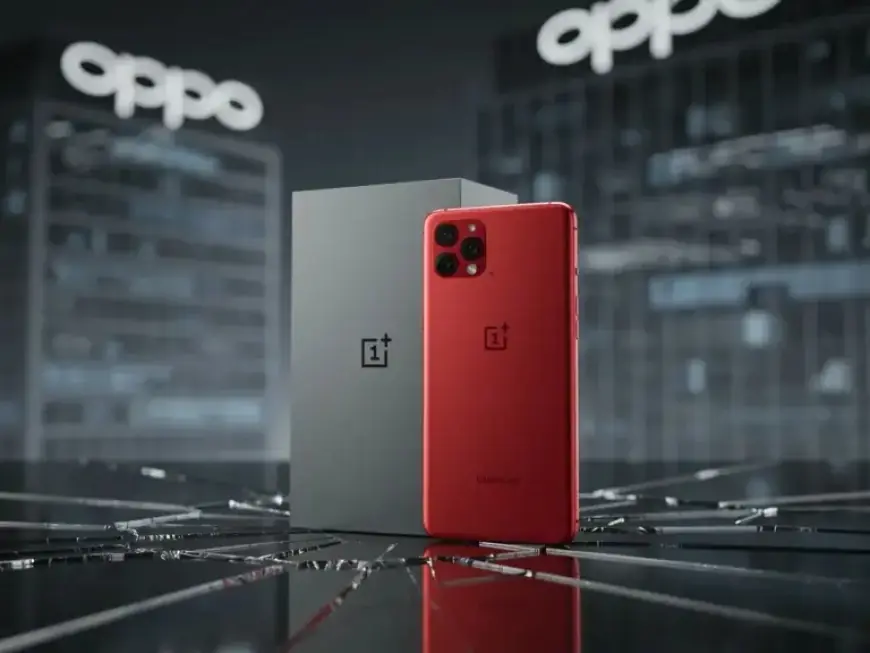
The recent denials from OnePlus President and COO Kinder Liu about potential operational shutdowns have sparked a wave of concern regarding the brand’s future. Despite Liu’s assertion that the rumors circulating on social media were false, doubts linger in the smartphone market about OnePlus’s trajectory. The speculation hinted at significant cutbacks, including a potential exit from Europe and a reassignment of its OxygenOS software development to Oppo’s ColorOS team.
Background on the Speculation
Rumors began when reports emerged, painting a bleak future for OnePlus. It was suggested that the brand was discontinuing its foldable devices and tightening its presence in Europe. Liu, however, emphasized OnePlus’s commitment to global markets and its innovative product lines.
The Oppo Connection
The concerns surrounding OnePlus’s future are interwoven with the challenges faced by its sister company, Oppo. Both brands operate under BBK Electronics, and Oppo’s recent legal issues have raised alarms. A German court ruling in 2022 resulted in a sales ban on Oppo devices, significantly impacting its European operations. Although OnePlus has since settled its patent disputes, the implications of Oppo’s exit are still haunting.
- BBK Electronics oversees both OnePlus and Oppo.
- Oppo exited several key European markets due to patent disputes.
- OnePlus managed to settle its own conflicts but faces public skepticism.
Corporate Structure and Identity
Since its merger with Oppo in 2021, OnePlus has undergone substantial changes that have altered its brand identity. Initially celebrated for its independent approach, the company has faced criticism for what many refer to as the “Oppo-fication” of OnePlus. Critics have noted that this has led to overlapping hardware designs and a significant shift in software experience.
Software Integration Challenges
One of the main points of contention is the integration of OnePlus’s OxygenOS with Oppo’s ColorOS. Though both software versions maintain separate branding, users have noted a convergence that diminishes the unique characteristics OnePlus was once known for. This blurring of lines has contributed to a growing trust deficit among loyal customers.
Regaining Trust and Future Positioning
As OnePlus navigates through its identity crisis, it must address the disconnect between its corporate messaging and the reality perceived by consumers. Liu’s firm denial of shutdown rumors needs to be accompanied by transparent strategies to restore confidence. Market observers believe that the brand’s future hinges on its ability to establish a distinct identity that separates it from Oppo while highlighting its own technological innovations.
Challenges in Competitive Markets
In the competitive landscape, OnePlus struggles against established players like Apple and Samsung, as well as aggressive pricing from other brands. Its success in markets like India demonstrates potential, but the brand’s future in North America and Europe requires clear differentiation. If OnePlus cannot articulate its unique value proposition, it risks being seen as just another extension of Oppo rather than a standalone challenger.
Conclusion
As OnePlus reassesses its strategies and market approach, it must focus on clarifying its identity and rebuilding trust. While the rumors of a shutdown may be put to rest for now, the underlying issues present a significant challenge. The evolving smartphone landscape demands that OnePlus not only competes with hardware but also with a compelling narrative that resonates with consumers globally.