





















Venezuela’s Acting President Rejects U.S. Directives

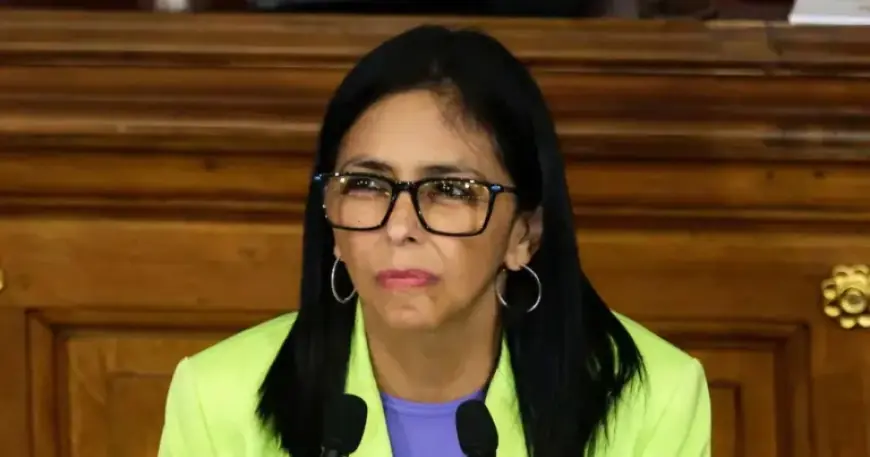
Delcy Rodríguez, the acting president of Venezuela, recently criticized U.S. directives regarding her country’s internal affairs. She made her stance clear during an event with oil workers in Puerto La Cruz, where she stated she had “enough” of Washington’s mandates. Rodríguez is currently navigating a challenging political landscape following the U.S. capture of former president Nicolás Maduro and his wife, Cilia Flores.
Rodríguez’s Pushback Against U.S. Orders
Since assuming leadership, Rodríguez has faced the dual challenge of maintaining the support of Maduro loyalists while appeasing U.S. interests. Her recent remarks emphasize a desire for Venezuelans to resolve their own political conflicts without foreign interference. “Let Venezuelan politics resolve our differences and our internal conflicts,” she insisted, highlighting the country’s struggles with extremism.
U.S. Pressure and Expectations
The White House continues to apply pressure on Venezuela in the wake of Maduro’s disappearance. Nicolás Maduro and Cilia Flores were apprehended in January and are now facing serious legal challenges in the U.S. While President Donald Trump initially suggested that the U.S. could exert control over Venezuela, he later endorsed Rodríguez as the leader.
- Rodríguez is the former deputy of Nicolás Maduro.
- Maduro was captured on January 5, 2023, along with his wife.
- The U.S. administration has made several demands of Venezuela, including:
- Ending ties with China, Iran, Russia, and Cuba.
- Exclusive partnerships with U.S. oil companies.
Venezuela’s Political Landscape
The internal situation in Venezuela remains complex, with divisions among supporters of Maduro, left-wing opposition, and “Chavistas No-Maduristas.” These groups disagree over the direction of the country following Hugo Chávez’s legacy. Rodríguez’s position is that the U.S. does not govern Venezuela, even as she seeks a pragmatic approach to relations with the U.S.
Economic Considerations
Venezuela’s economy largely relies on its oil sector, which possesses the largest reserves of extra-heavy crude in the world. This resource is critical for both the national economy and foreign partnerships, particularly with U.S. refineries that require specific types of crude oil for processing.
As the political dynamic evolves, the actions of Rodríguez and the reactions from the U.S. will play vital roles in shaping Venezuela’s future. Clarity in relations and stability within the country appear essential as Rodríguez continues to assert Venezuela’s sovereignty amidst ongoing external pressures.