






















Selma Blair’s 2026 Reset: Relapse-Free Momentum, a Return-to-Work Signal, and What Comes Next

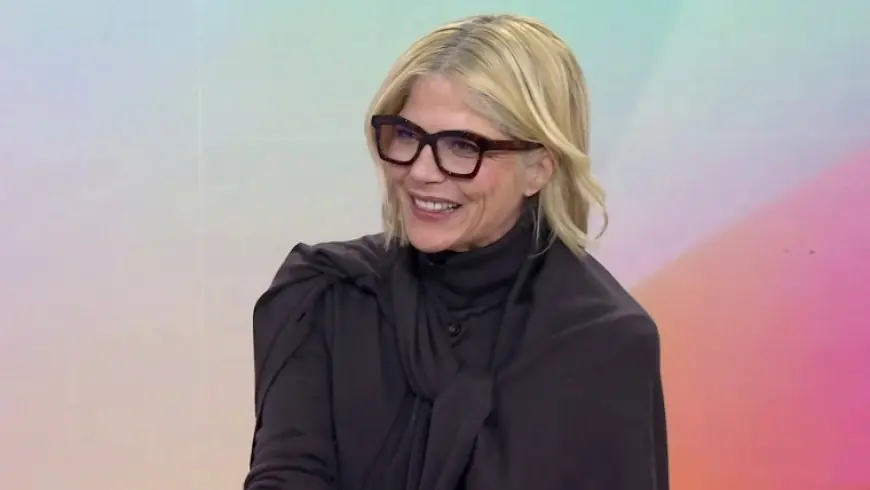
Selma Blair is back in the center of the conversation in late January 2026, not because of a single blockbuster announcement, but because multiple small signals are lining up at once: a high-profile interview slot on Monday morning (January 26, 2026, around 10 a.m. ET), continued talk of being relapse-free after years of living with multiple sclerosis, and a public-facing pivot that blends advocacy, beauty, and a careful re-entry into acting.
Individually, each update is modest. Together, they read like a deliberate “next chapter” rollout—measured, consistent, and built to prove stamina rather than chase spectacle.
What happened: a fresh public update arrives as her comeback narrative tightens
Blair’s latest visibility spike is tied to a scheduled “catching up” interview on January 26, 2026 (ET), positioned as a check-in rather than a promotional blitz. That framing matters. It suggests she’s not selling one project so much as reintroducing herself as an active presence again—someone with momentum and plans.
The broader backdrop is Blair’s repeated messaging over the past year that her health has stabilized enough to think longer-term: more public appearances, more work conversations, and more control over how her story is told.
What’s new and why now: the shift from “survival update” to “capacity update”
For years, the headline around Selma Blair was endurance—symptoms, treatment, mobility, visibility, and the emotional labor of explaining chronic illness in public. The subtle shift now is capacity: what she can take on, what she can sustain, and what kind of work environment she can realistically commit to.
That’s why recent coverage and clips tend to orbit the same themes:
-
relapse-free status for a sustained stretch
-
stamina gradually returning
-
interest in acting again, but on terms that account for her body’s limits
-
a public identity that includes advocacy without being reduced to it
In other words, the story is moving from “Is she okay?” to “What is she building?”
Behind the headline: incentives, stakeholders, and the strategy of a “soft relaunch”
A comeback after a health crisis isn’t a single yes-or-no decision. It’s a sequence of tests—public, professional, and physical.
Incentives
-
For Blair: Reclaim authorship. After years where the illness could dominate the narrative, the goal becomes balance: acknowledge reality, but expand the frame to work, creativity, and personal agency.
-
For entertainment partners: Blair is a known name with credibility, nostalgia, and goodwill. A return brings attention without requiring a huge marketing spend.
-
For brands and platforms: Blair’s story sits at the intersection of resilience, accessibility, and self-care—high-engagement lanes that can be commercialized while still feeling meaningful.
Stakeholders
-
Fans: Many followed her through the hardest years. They want her protected as much as they want her on screen.
-
Producers and insurers: The practical side of hiring: schedule predictability, accommodations, and risk management.
-
The disability community: Blair’s visibility has symbolic weight. Her choices influence how “working with disability” is discussed publicly.
What’s really being tested
This phase is about consistency. A morning-show check-in, a controlled red-carpet appearance, a targeted collaboration—these are low-risk proofs of life that demonstrate readiness without overcommitting.
What we still don’t know: the concrete acting details
Even with renewed “return to acting” chatter, key pieces remain unclear:
-
which projects are actually next, and in what order
-
whether any role is a full shoot or a limited schedule designed around accommodations
-
how much of her public-facing work is building toward a single scripted return versus a portfolio career (interviews, advocacy, selective roles, and partnerships)
Until a production start date or casting confirmation is locked publicly, most “comeback” talk should be read as intention rather than guarantee.
What happens next: realistic scenarios for the next few months
-
A measured on-camera return
A guest role, a limited-series arc, or a short shoot window that reduces physical strain while rebuilding confidence. -
More public narrative control
Expect more interviews framed around “fresh starts” and practical living—what helps, what doesn’t, and what sustainable work looks like. -
A broader accessibility push
As her visibility rises, so does pressure on the industry to model accommodations as normal, not exceptional. -
A health-first pacing decision
If symptoms flare or fatigue becomes a limiting factor, the strategy may shift toward fewer appearances, longer gaps, and a slower ramp.
Why it matters: Selma Blair is redefining what a comeback looks like
Selma Blair’s story isn’t just a celebrity health update. It’s a blueprint for how public figures can return without pretending the hard parts vanished. The emerging message is not “everything is fixed,” but “there is enough stability to plan again.”
That distinction is the real headline. In 2026, Blair’s visibility is becoming less about proving toughness and more about modeling continuity: living with chronic illness, staying relapse-free as long as possible, and still making room for ambition—carefully, publicly, and on her own terms.