
























NATO Chief’s Greenland Agreement with Trump Stuns European Allies

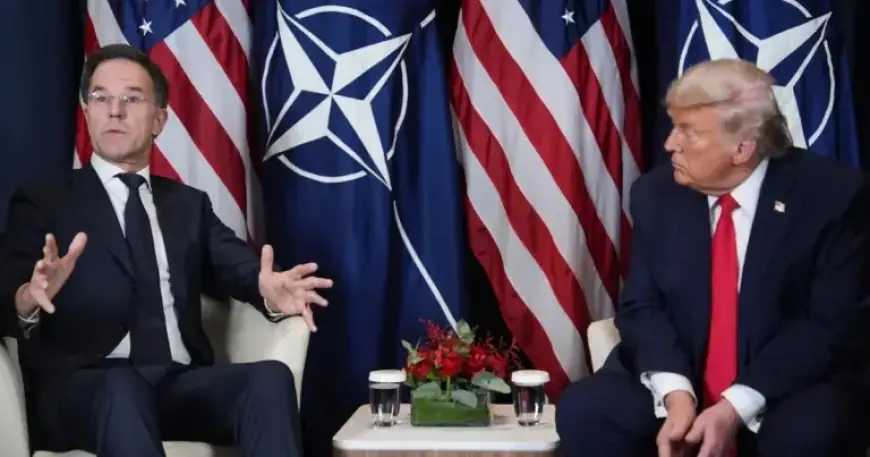
The recent Greenland agreement negotiated between NATO Secretary General Mark Rutte and former U.S. President Donald Trump has raised concerns among European allies. These diplomatic discussions took place during the World Economic Forum in Davos, Switzerland. Numerous officials were caught off guard by the implications of this agreement, which touches upon issues of sovereignty and strategic interests.
NATO Secretary General’s Greenland Agreement Raises Alarm
Sources indicate that Rutte conducted these negotiations independently, leading to uncertainty among European diplomats regarding the contents of the deal. A European diplomat stated that while there is appreciation for Rutte’s efforts, significant questions loom about the economic and sovereignty aspects of the agreement.
Details of the Agreement
On Wednesday, Trump announced the emerging framework of a future deal concerning Greenland. He mentioned that punitive tariffs, initially threatened against European nations opposing this agreement, would no longer come into effect on February 1.
- Trump and Rutte agreed that future discussions will take place between the U.S. and Denmark.
- Rutte has not raised concerns over Danish sovereignty during talks with Trump.
- A Danish official noted that discussions are structured and scheduled, with decisions on meetings being established.
White House spokesperson Anna Kelly highlighted that if the deal advances, the U.S. would achieve its strategic goals regarding Greenland without incurring substantial costs. The specifics of the negotiations, however, remain unclear to many influential figures in Europe.
Concerns Among European Allies
Several European officials expressed relief at the retreat from the proposed tariffs. However, some believe this agreement could create divisions within the EU, undermining their collective stance against Trump’s initiatives. NATO’s supreme allied commander, Gen. Alexus Grynkewich, emphasized that the military alliance had not been informed about these discussions before their public revelation.
Despite Trump and Rutte’s relationship being described as collaborative, skepticism about the Greenland deal persists. EU foreign policy chief Kaja Kallas voiced concerns during a recent summit, indicating that transatlantic relations have experienced a significant blow due to the unfolding events. She characterized the current situation as unpredictable, noting that alliances may fluctuate rapidly.
Conclusion
The Greenland agreement highlights the intricate balance of power and communication among NATO allies. As discussions unfold, the implications for European unity and U.S.-European relations remain highly significant. The outcome of these negotiations will determine not only the future of Greenland but also the broader transatlantic alliance.