
























Driving Safely on Snowy Roads: Tips for Navigating Unclear Lanes

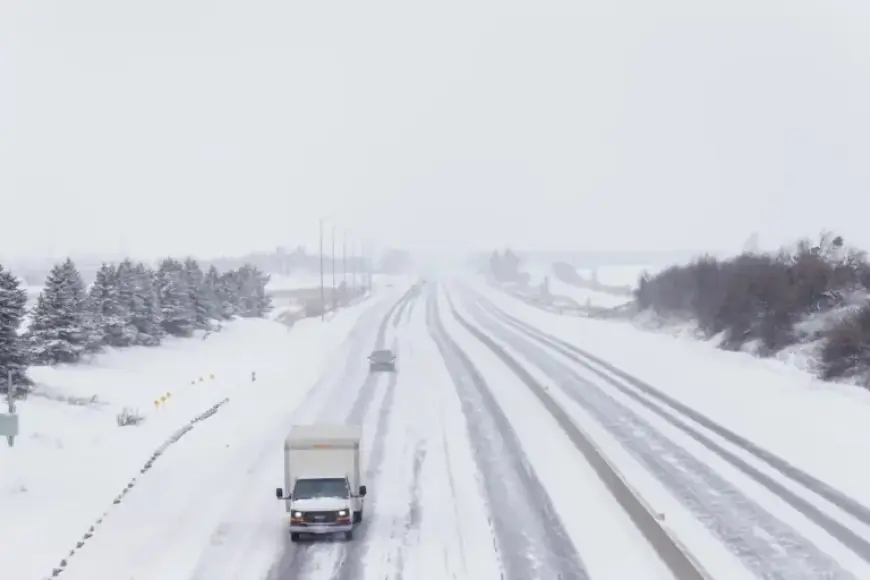
Winter driving can be challenging, especially when navigating snow-covered roads. Visibility of lane markings can diminish significantly, leaving drivers uncertain about their positions. It is essential for motorists to follow safe practices during these conditions.
Driving Safely on Snowy Roads: Tips for Navigating Unclear Lanes
Authorities emphasize that while it is critical to stay within designated lanes, snow can obscure these lines. Bruce from Edmonton raised a question about navigating lanes when visibility is compromised. Dennis Porter, a senior driving instructor with the Alberta Motor Association (AMA), offers valuable insight into the complexities of driving in winter conditions.
Understanding Traffic Laws in Winter Conditions
Most provincial traffic laws demand drivers remain within marked lanes. However, they offer some leeway when the lines are not visible. According to Alberta’s regulations, occupying two lanes is prohibited, yet exceptions exist for passing and lane changes when conditions warrant. If visibility is poor, officers have discretion regarding potential charges.
- Alberta’s law allows crossing into another lane when visibility is hindered.
- Law enforcement may consider snow-covered lines as a valid excuse.
- Maintaining safe traffic flow is vital, even without visible lane markings.
Corporal Troy Savinkoff of the Alberta RCMP noted that if drivers are charged while navigating obscured lines, they might have a defense in court. Similar sentiments were echoed by Corporal Michael McLaughlin from B.C. Highway Patrol, reinforcing the need to drive cautiously while adhering to road rules.
Best Practices for Snowy Road Navigation
When facing uncertain lane visibility, sticking to the trajectory of other vehicles is often advisable. Porter highlights that busy roads can morph in winter, changing from five lanes to fewer, depending on snow coverage. However, drivers must avoid dangerous closeness to other vehicles while remaining vigilant and adjusting their speed.
- Follow other vehicles cautiously to maintain safety.
- Be prepared to pass vehicles that don’t align with typical traffic flow.
- Maintain ample distance between yourself and nearby cars.
In instances where lane visibility is limited, preserving momentum while avoiding unknown snowdrifts is crucial. Porter warns that hidden obstacles may lead to a loss of control, emphasizing the importance of caution.
Handling Road Blockages
Sometimes, snow accumulation may obstruct lanes, especially on highways. While the general rule is for slower traffic to stay right, drivers can use left lanes if conditions demand. Corporal McLaughlin advises against driving significantly slower than the speed limit unless road conditions justify it.
Statistics show a concerning rise in winter-related incidents. Last month, Alberta reported 20 traffic fatalities, surpassing the average for December. Both Savinkoff and Porter attribute some of this to reckless driving despite adverse conditions.
Conclusion
Winter driving requires awareness, patience, and adaptability. By understanding road laws and adjusting driving habits when navigating snowy roads, motorists can significantly enhance their safety. Always prioritize caution to promote safe travel for everyone on the road.