





















Kristen Stewart: Trump’s Era Challenges U.S. Reality and Her Future

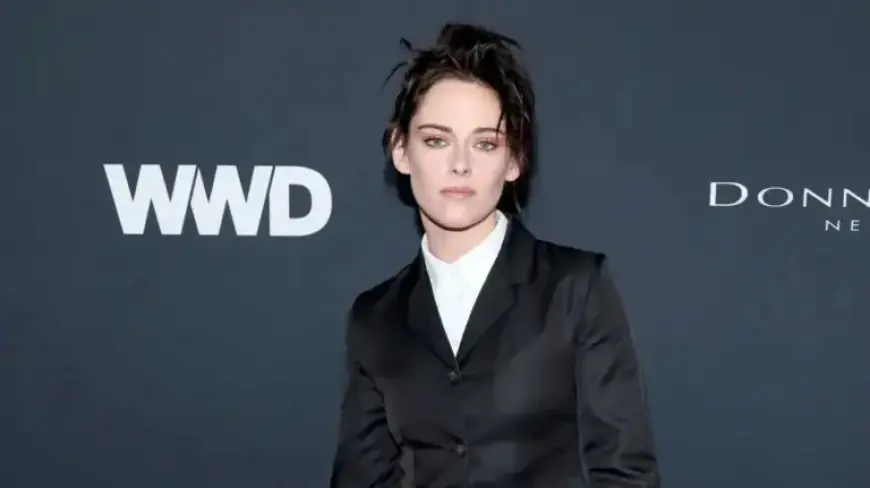
Kristen Stewart’s directorial debut, *The Chronology of Water*, has garnered praise on the festival circuit. The film, which features Imogen Poots, offers a unique perspective centered on the female gaze. However, Stewart expresses uncertainty about her future as a filmmaker in the United States, particularly in light of political challenges.
Challenges in the U.S. Film Industry
In a recent interview with The Times U.K., Stewart reflected on the difficulties of making independent films in the U.S. She stated, “It would have been impossible to make *The Chronology of Water* in the States,” emphasizing that the movie was shot in Latvia.
Stewart particularly voiced concern over the Trump administration’s proposed 100% tariff on foreign films, which she described as “terrifying” for the industry. She remarked, “Reality is breaking completely under Trump,” suggesting that filmmakers need to create their own narratives.
Potential Move Abroad
As she considers her future, Stewart hinted at the possibility of relocating abroad, following in the footsteps of other bold filmmakers like James Cameron, who recently moved to New Zealand. She mentioned, “I can’t work freely in the U.S.,” but remains determined to make films, perhaps in Europe. “I’d like to make movies in Europe and then shove them down the throat of the American people,” she added.
The Importance of Female Perspectives
Stewart is deeply invested in showcasing women’s stories through her work. She pointed out, “History really matters. It tells you you are either allowed to be here or not,” underlining the significance of a woman’s voice in historical narratives. Referring to the progress toward equality, she remarked, “The rewriting of history is happening because equality is becoming closer to a reality.”
Experiences as a Director vs. an Actress
In her interview, Stewart also discussed the contrasting treatment she experienced as an actress compared to her new role as a director. She noted, “Actresses get treated like shit.” In contrast, her experience as a director was markedly different: “They are talking to me like I’m somebody with a brain.”
Stewart highlighted the misconceptions surrounding the role of directors, particularly regarding gender. She stated, “There’s this idea that directors have otherworldly abilities, which is not true. It’s an idea perpetuated by men.” She emphasized the dedication of artists like Imogen Poots, who invested her heart and soul into the film.
Conclusion
Kristen Stewart’s journey in filmmaking sheds light on significant issues facing women in the industry. As she navigates her ambitions amidst political challenges, her commitment to telling authentic stories remains strong. The landscape may be tough, but her drive to make meaningful films continues to pave the way for future narratives.