Car Tax Hike Targets Popular Vehicle Owners This April

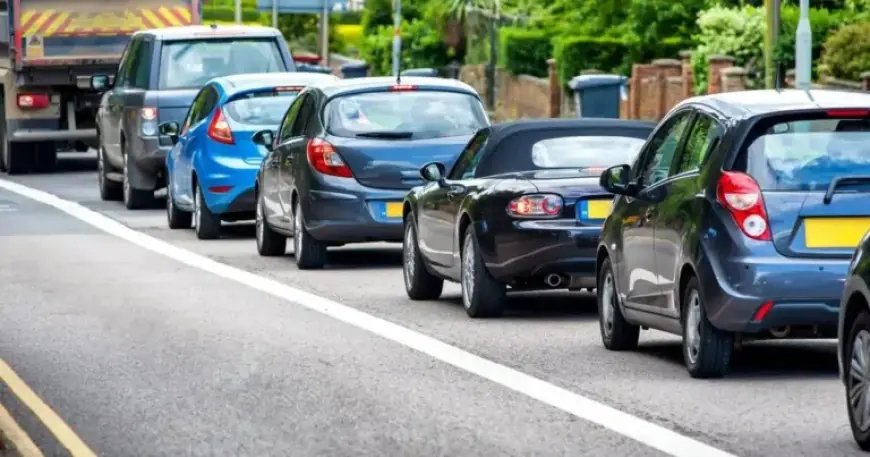
In April 2026, vehicle owners, particularly those with low-emission models, will face an increase in Vehicle Excise Duty (VED) fees. This change follows a notable price hike that occurred last year. The adjustments indicate a shift in government policy towards taxing lower-emission vehicles more significantly.
Details of the Tax Hike
The upcoming changes will primarily affect owners of plug-in hybrid cars. Current VED rates for these vehicles, which emit between 1-50g/km of CO2, will rise from £10 to a higher fee. Previously, new owners paid minimal taxes to incentivize the transition away from petrol and diesel cars.
Fee Increases Over the Years
Starting April 2026, the annual costs for low-emission vehicles will increase as follows:
- 2025: First-year costs rose from £10 to £110.
- 2026: Expected further rise to £115.
- For vehicles emitting 51-76g/km of CO2, costs rose from £30 to £130 in 2025 and are expected to reach £135 in 2026.
This means that owners of low-emission models will have seen a cumulative increase of £105 in only a year.
Context of the Changes
The tax adjustments are part of Labour’s broader strategy to reform motoring taxes. One key aspect includes aligning VED fees with the Retail Price Index (RPI) inflation, which ensures that price changes occur annually. While electric vehicle owners will also face charges, their fees remain significantly lower than those of fossil fuel-powered vehicles.
Government’s Stance on Emissions
The government’s decision to implement these changes indicates a continued emphasis on reducing emissions. Electric vehicle owners, for example, only pay £10 annually during their first year, after which they transition to standard VED rates.
As taxing policies evolve, it becomes clear that any vehicle producing emissions will face increasing financial pressure in the future, reflecting a strong governmental push towards promoting electric and low-emission cars.