























Masterpiece Unveiled: A Monumental Work of Art Emerges

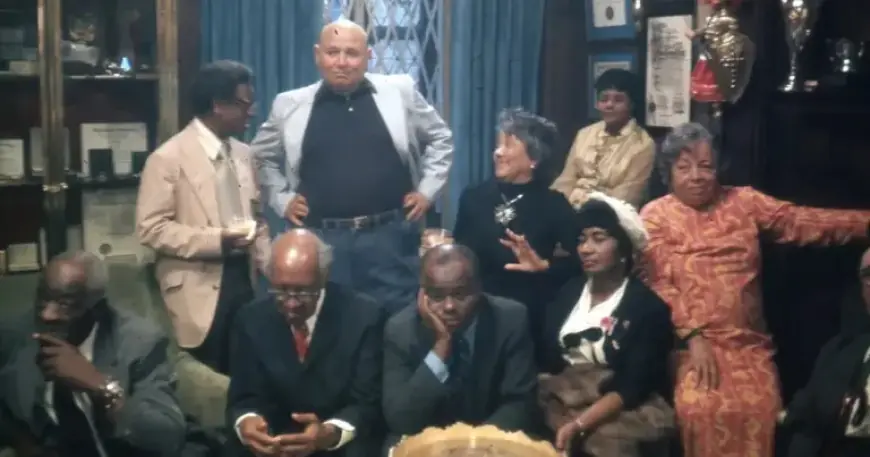
A monumental work of art, *Once Upon a Time in Harlem*, will premiere at this year’s Sundance Film Festival. This film represents the culmination of a journey that spans five decades, celebrating the legacy of the Harlem Renaissance.
Historical Context
The roots of this project trace back to 1972 when filmmaker William Greaves invited notable figures from the Harlem Renaissance to a gathering at Duke Ellington’s home. This event aimed to discuss the era’s history and its enduring impact. Greaves filmed the discussions with three cameras, intending to create a documentary. However, the complete vision would only materialize decades later.
Completion of the Film
Following Greaves’s passing in 2014, his son, David Greaves, took on the monumental task of completing the film. David was present as one of the cameramen during the original gathering. His efforts have brought to life a project laden with the stories and insights of prominent artists and intellectuals.
The Gathering
The film showcases a remarkable assembly of senior citizens, many of whom had not seen each other in years. Their lively discussions reflect a deep investment in the legacy of the Harlem Renaissance. Key participants include:
- Ida Mae Cullen, widow of poet Countee Cullen
- The poet Arna Bontemps
- Writer George Schuyler
- Richard B. Moore, a civil rights activist
- Leigh Whipper, co-founder of the Negro Actors Guild
Key Discussions
The conversations reveal differing perspectives on the Harlem Renaissance. Debates include its exact timeframe and cultural impact. Participants reflect on political influences, the role of African art, and the societal issues that incited the movement. Notable incidents and personal stories, like those shared by Gerri Major about racism at the Cotton Club, add depth to their dialogue.
Filmmaking Techniques
The film excels in its editing, combining historical footage with vibrant discussions. Archival materials, poetic snippets, and visual art intertwine, enriching the viewer’s experience. The storytelling presents an organic flow, reminiscent of the gathering’s spontaneous energy.
A Lasting Legacy
Unforeseen moments, such as Richard B. Moore’s stirring recitation of Claude McKay’s poem, demonstrate the participants’ emotional connections to their shared history. The film embodies a nostalgic exploration of a time when artists passionately engaged with their cultural identity.
Conclusion
Ultimately, *Once Upon a Time in Harlem* is not just a documentary but a tribute to William Greaves, capturing his vision and passion for the Harlem Renaissance. Finished by David Greaves, this work stands as a masterpiece that inspires new understandings of a pivotal period in American history. For more in-depth cultural coverage and artistic insights, visit Filmogaz.com.