

























Taiwan Classifies Nipah Virus as Category 5 Following India Outbreak

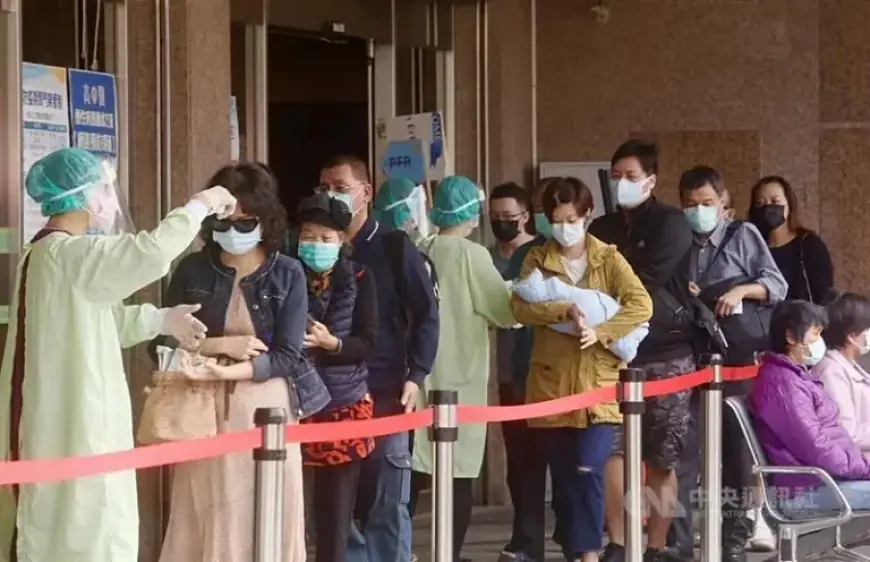
Taiwan is set to classify Nipah virus infection as a Category 5 notifiable disease. This decision comes in response to a recent Nipah virus outbreak in India. The Taiwan Centers for Disease Control (CDC) announced this potential change on January 16, initiating a 60-day period for public feedback.
Nipah Virus Overview
The Nipah virus has been under priority surveillance in Taiwan since 2018. As of now, over 750 cases have been reported worldwide since its identification in 1998. The virus carries a high fatality rate of approximately 58%.
Classification and Public Health Response
As a Category 5 disease, Nipah virus will be regarded as an emerging infection presenting significant public health risks. This reclassification mandates immediate reporting and the implementation of special control measures.
India’s Outbreak
India is actively addressing a Nipah virus outbreak in West Bengal. As of January 19, five cases have been confirmed. CDC Deputy Director-General Lin Ming-cheng emphasized this situation during a recent briefing.
Travel Advisory
Despite the Nipah virus threat, Taiwan maintains a Level 2 “yellow” travel alert for Kerala, a region known for past outbreaks. Currently, West Bengal and other areas do not face any warnings.
- Level 2 “Yellow” Alert: Advises travelers to exercise caution and take preventive measures.
Travel advisories will evolve based on the outbreak’s progression. Should there be community transmission, alerts may be raised. Conversely, if cases remain confined to medical facilities, advice will focus on avoiding these locations.
Transmission and Precautions
The Nipah virus primarily spreads through contact with infected bats, pigs, or infected individuals. It can also be transmitted via respiratory droplets or direct interaction with bodily fluids. Some human-to-human transmission has been observed.
Symptoms of Infection
Infections can manifest in various ways. Symptoms may be asymptomatic or range from mild respiratory illness to severe encephalitis, which can be fatal.
Health Recommendations
CDC officials recommend that visitors to India avoid raw foods and beverages. Special caution is advised with fresh coconut juice, which can be contaminated with bat saliva or urine.
In light of recent developments, the need for vigilance against the Nipah virus continues. The CDC encourages the public to stay informed as the situation unfolds.