























Mark Kerr’s story keeps landing punches as The Smashing Machine turns a makeup nod into a wider moment for Dwayne Johnson

In recent days, the smashing machine has re-entered the public conversation in a way that has little to do with cage highlights and everything to do with awards-season optics. The film’s standout recognition has centered on transformation—how convincingly Dwayne Johnson disappears into the bruising, complicated life of Mark Kerr—and it’s reframing the narrative around the smashing machine movie after a theatrical run that didn’t match its ambition. That contrast is the real headline now: a project designed to be taken seriously is finding validation in craftsmanship even as broader industry momentum remains unsettled.
A transformation-first spotlight, and why it matters beyond one category
When a sports biopic gets singled out primarily for makeup and hairstyling, it can sound like faint praise. In this case, it’s the opposite. The makeup work is the story’s bridge: it’s what sells the late-1990s fight-world realism and makes Johnson’s performance feel lived-in rather than “movie-star in a costume.” That kind of recognition signals a particular kind of credibility—less about hype and more about execution.
It also highlights a shift in how audiences and voters talk about prestige performances. The conversation has become increasingly craft-forward: the physicality, the period detail, the scars and swelling, the way a face moves under stress. For james bond-scale stars, that can be the difference between “a celebrity trying something new” and “an actor committing to a character.”
For Johnson specifically, this moment functions like a career hinge. The smashing machine isn’t built around charm; it’s built around damage, obsession, and the cost of chasing greatness. The attention landing on the transformation underscores that the risk paid off—even if not in every category people expected.
The film’s bigger tension: admiration for the work, questions about the package
The renewed focus is also reviving debate about what The Smashing Machine is actually trying to be. Is it a pure fight film? A portrait of addiction and pressure? A relationship drama set against combat sports? It contains all three, and that blend can be powerful—but it can also fracture the audience.
That tension shows up in how people talk about the title itself. “smashing machine” reads like a nickname for violence and dominance. The story, though, leans harder into what breaks when a person becomes that nickname.
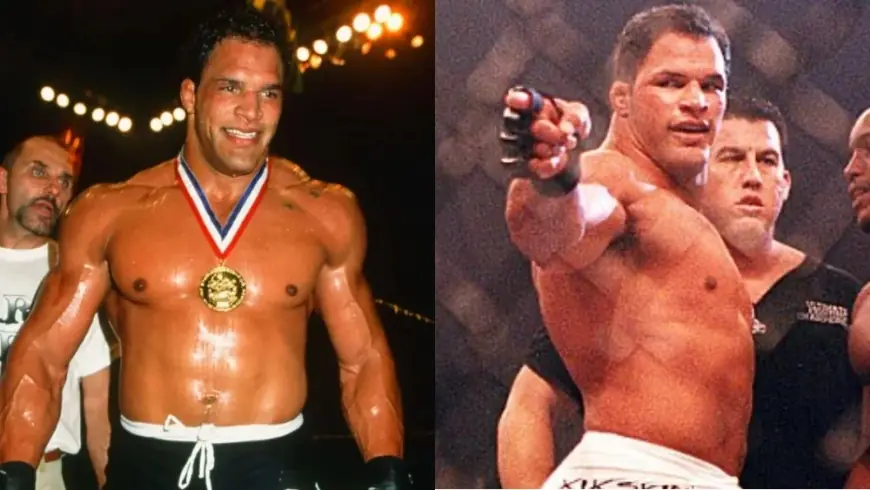
There’s also a second layer that makes the current moment more interesting: Mark Kerr isn’t a fictional composite. He’s a real figure with a documented arc that includes early dominance, public vulnerability, and the messy aftereffects of fame. That real-world anchor tends to raise expectations for emotional honesty. It also leaves less room for tidy, crowd-pleasing structure—especially when the film insists on depicting the costs instead of just the wins.
A quick snapshot of what’s pulling audiences back to it now
-
The craft conversation is easier to agree on than the plot conversation
-
Johnson’s physical transformation is “visible” in a way most performances aren’t
-
The story’s darker edges feel more in line with current biopic tastes than older, triumph-only sports dramas
-
Mark Kerr’s real-life complexity gives the film staying power in discussion, even among non-MMA viewers
Where this leaves the film—and the people at the center of it
The most telling outcome of this new attention is that it shifts the smashing machine movie from “one-and-done release” into “sticky title”—the kind that keeps resurfacing in clips, debates, and reappraisals. That’s not just good for the film; it’s a reminder that awards recognition often works like a second release cycle, especially for adult dramas that struggle to compete with spectacle-driven blockbusters.
For Dwayne Johnson, it strengthens the argument that he can carry projects where likability isn’t the engine. For Mark Kerr, it places his story in front of viewers who never watched a single bout but recognize the broader themes: performance under pressure, identity fused to a persona, and the fallout when the body and mind can’t keep paying the bill.
In the end, the smashing machine is getting a second wind not through a marketing push, but through a narrower, more durable form of validation—one that turns “how did they do that?” into “maybe I should finally watch it.”