

























F.A.A. Maintains Helicopter Restrictions Following D.C. Crash

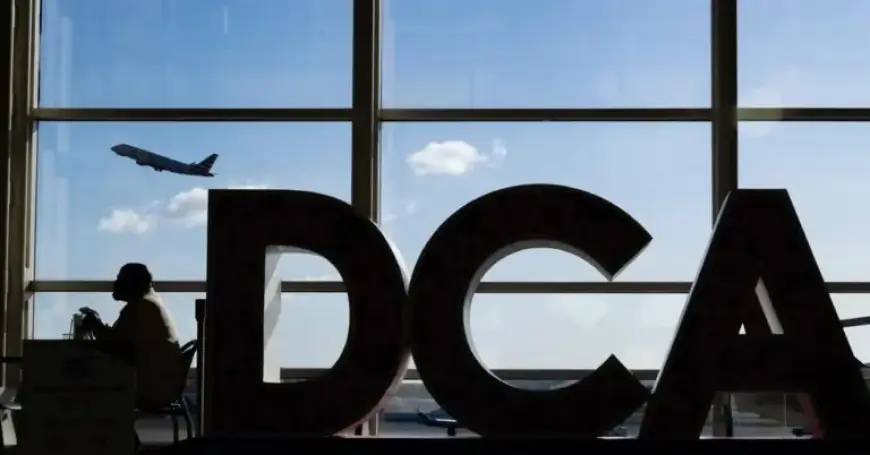
The Federal Aviation Administration (F.A.A.) has announced permanent helicopter restrictions around Ronald Reagan National Airport, effective Friday. This decision comes in response to a tragic midair collision that resulted in 67 fatalities nearly one year ago.
Details of Helicopter Restrictions
The F.A.A. introduced the new regulations to control helicopter traffic around the airport, which serves Washington, D.C. The National Transportation Safety Board (N.T.S.B.) previously recommended these closures during peak runway operations.
Key Features of the New Rule
- Helicopters and specific aircraft types are prohibited in the vicinity of the airport at all times.
- Exceptions exist solely for essential operations, including:
- Lifesaving medical flights
- Active law enforcement operations
- National security situations
- Continuity operations for the federal government
- Transport of the President or Vice President
- Routine training and non-essential flights are explicitly excluded.
Due to an urgent need to prevent midair collisions, the F.A.A. implemented these rules without a public comment period. The agency stated that any delays could lead to similar accidents as the one that occurred on January 29, 2025.
Background of the Collision
The regulations follow an accident involving an Army Black Hawk helicopter and an American Airlines passenger jet near the airport. This incident triggered extensive federal investigations and legislative discussions aimed at improving air safety.
Ongoing Investigation and Legislative Responses
The N.T.S.B. is expected to release its findings and recommendations soon, which will include the probable causes of the crash. Initial investigations identified several contributing factors:
- Overstretched air traffic controllers
- Faulty equipment
- Dangerous helicopter flight paths
Recently, Congress has also debated amendments related to airspace restrictions. Controversially, a new defense bill may allow the military to bypass these restrictions for national security reasons, a move criticized by N.T.S.B. Chairwoman Jennifer L. Homendy as a “step backward.”
The White House and Pentagon have pushed for bipartisan legislation to reinforce airspace restrictions, and some progress has been made in the Senate. However, the House has yet to address this crucial issue.
The F.A.A.’s new helicopter regulations mark a significant effort to enhance air safety and prevent future tragedies near Ronald Reagan National Airport.