
























BTS tickets 2026: presale crunch hits Ticketmaster as Stanford and MetLife dates drive a new wave of resale listings

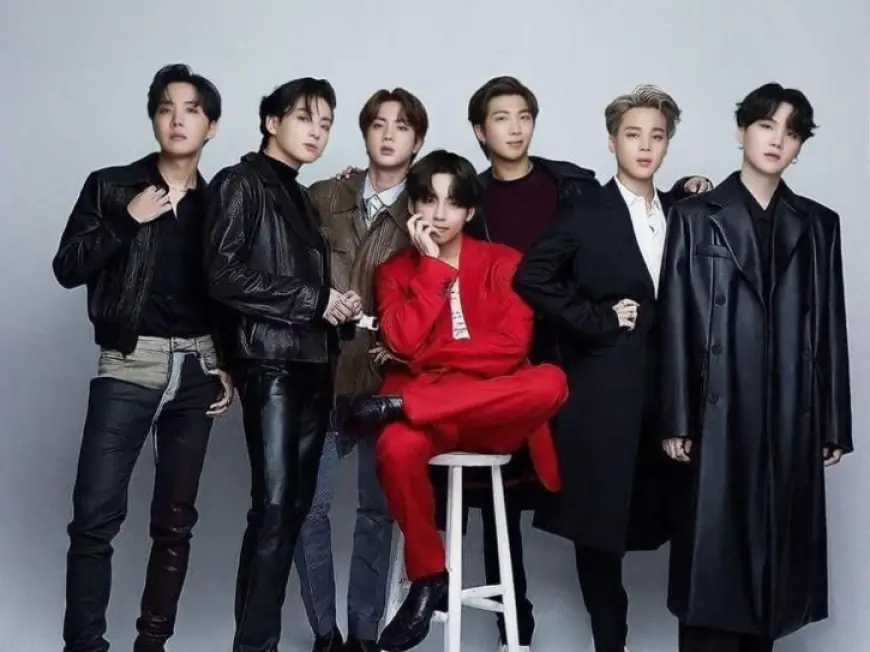
BTS ticket buying has entered its most stressful phase: the window where presales open, general on-sales follow, and resale prices surge before many fans even reach a checkout screen. With the 2026 world tour now rolling into major U.S. stadiums like Stanford Stadium and MetLife Stadium, demand is concentrating around a handful of huge-capacity nights—and turning “getting tickets” into an internet-speed contest. The immediate consequence is predictable: longer queues, stricter account verification, and a spike in third-party listings that can confuse fans about what’s actually available and what’s simply speculative.
Why this on-sale is different: security checks, memberships, and a faster resale market
This cycle is being shaped by two forces that don’t always appear together: membership-based presales and tighter anti-fraud measures. Fans who registered through the official fan membership channel were given first access in limited presale windows, while general sales opened shortly after. Ticketing platforms have also leaned hard into identity and device verification—text codes, account checks, and queue systems designed to slow automated buying.
At the same time, resale marketplaces began showing inventory early. That doesn’t necessarily mean those sellers already hold tickets in hand; it often reflects sellers predicting they can source seats later. For buyers, the risk isn’t just higher prices—it’s uncertainty around delivery timing, seating accuracy, and transfer rules that can vary by venue and event.
The essentials: BTS presale and on-sale timing, plus key stadium stops
The broad structure for many 2026 dates has looked like this:
-
ARMY membership presale windows: late week (often Jan. 22–23, local time, depending on the city/region)
-
General on-sale: Saturday, Jan. 24, 2026 (local time, with start times varying by market)
Two of the most searched U.S. stops right now:
-
Stanford Stadium (Stanford, CA): multiple May 2026 dates are on the calendar, with ticketing routed through the primary ticket vendor flow.
-
MetLife Stadium (East Rutherford, NJ): Aug. 1 and Aug. 2, 2026, with a widely shared on-sale time of 11:00 a.m. ET for the general sale.
Because start times are often listed in local venue time, fans traveling or buying from abroad are getting tripped up. The safest approach is to convert the on-sale time to your own timezone before the queue opens, then plan to be logged in early with payment info saved.
A quick “do this now” checklist (to avoid getting burned)
-
Verify your Ticketmaster login works on the same device you’ll use to buy.
-
Update phone number + payment method before the sale window opens.
-
Use one account in one queue; multiple tabs can trigger errors or place you behind.
-
If you’re using StubHub or Vivid Seats, confirm the listing clearly states row/section, delivery method, and estimated delivery date.
-
Be cautious with any “official tour” websites that ask for direct payment outside the primary vendor flow.
Resale reality: StubHub and Vivid Seats can be useful, but the fine print matters
Resale platforms can help when primary inventory disappears in minutes, but the tradeoff is that you’re buying a promise as much as a seat. Prices frequently rise fastest for:
-
weekend shows,
-
the first announced nights in a city,
-
and high-profile stadiums with easy travel access (MetLife is a prime example).
Two practical issues are driving anxiety this time:
-
Delivery timing: many sellers deliver close to the event date, not immediately.
-
Transfer restrictions: some events limit transfers until a certain time window, which can make “instant delivery” listings unrealistic.
None of this means resale is automatically unsafe. It means buyers need to treat it like a contract: read the guarantees, confirm the delivery deadline, and be realistic about pricing that looks too good to be true during peak demand.
Fraud warnings are rising as tour searches spike
As tour interest rises, so do fake ticket sites and “membership bundle” offers that imitate official language. The consistent pattern is urgency—limited spots, immediate payment, and vague promises of “priority access.” The simplest protection is also the least glamorous: purchase only through the officially designated ticket vendor for that city, or a major resale marketplace with an enforceable buyer guarantee and clear delivery terms.
For fans trying to lock in BTS tickets 2026 for Stanford Stadium or MetLife Stadium, the bottom line is that the most important minutes happen before you ever click “Join Queue.” The prep—membership eligibility, verified accounts, saved payment, and a clear plan for whether you’ll accept resale—now matters almost as much as luck.