
























The Smashing Machine’s lone Oscar nod spotlights Mark Kerr—and leaves Dwayne Johnson’s awards breakthrough on a knife edge

For months, The Smashing Machine was treated as the project that could finally reframe Dwayne Johnson as more than a blockbuster star: a bruising biopic anchored in pain, addiction, and the early chaos of modern mixed martial arts. The 2026 Oscar nominations changed that story in a single morning. The film emerged with one nomination—Best Makeup and Hairstyling—a major craft vote that celebrates the transformation into real-life fighter Mark Kerr, while signaling that the broader Academy embrace many expected did not materialize.
A nomination that praises the transformation, not the whole package
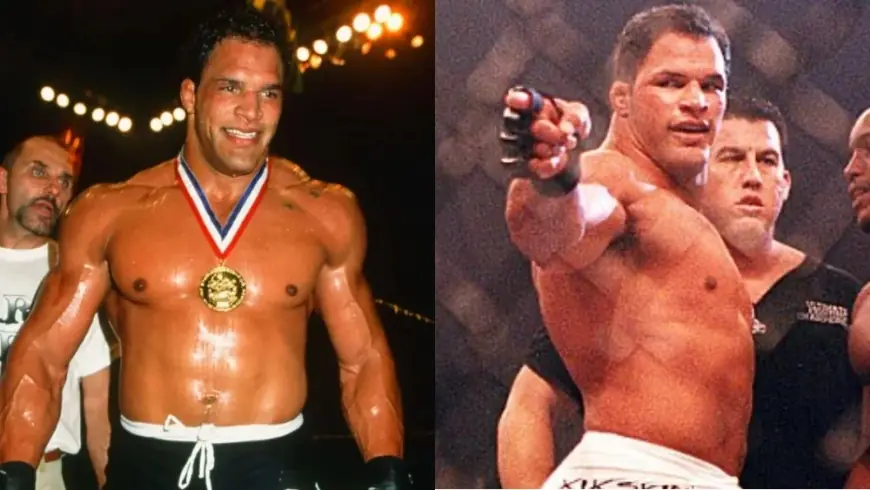
Best Makeup and Hairstyling is often the category that rewards commitment: not just prosthetics and hair work, but a character’s full physical truth. For The Smashing Machine, that recognition lands like a spotlight on the film’s most visible feat—turning Johnson into Kerr with a level of specificity that had audiences doing double-takes long before the film’s release.
It’s also a telling kind of honor when it arrives alone. One nomination says the craft branches saw something undeniable, but the film didn’t carry enough consensus across the larger voting body to turn critical admiration into a multi-category run. The result is a split verdict: the industry salutes the build, while hesitating to fully endorse the finished machine.
For Johnson, the moment stings because it comes after a season of awards attention elsewhere, including a high-profile major-nomination for his performance earlier in the circuit. The Oscar omission doesn’t erase the work—but it reshapes the narrative from “breakthrough” to “near miss,” at least for this year.
How Mark Kerr’s story became the film’s true challenge
Mark Kerr’s life has never fit cleanly into a sports-movie template. He was an early MMA force—dominant, intimidating, and technically ahead of his time—while privately wrestling with dependence and the kind of physical and emotional wear that doesn’t show up on highlight reels. His era also matters: the sport’s formative years were messy, less regulated, and more punishing in ways even fans sometimes forget.
That’s exactly why the film attracted so much curiosity. A Mark Kerr biopic can’t rely on underdog clichés; Kerr’s “problem” isn’t talent. It’s what talent costs when the body becomes a job site and the mind becomes collateral.
The film’s approach leans into that discomfort. Johnson plays Kerr as a man who can control almost anything—until he can’t. Emily Blunt’s role as Kerr’s partner adds a necessary counterweight: the story of someone living next to the chaos, absorbing the swings, and trying to locate the line between support and self-erasure.
In that context, the makeup nomination reads as more than a technical pat on the back. It’s an acknowledgment that the movie’s entire premise depends on believability: if Kerr looks like a costume, the tragedy becomes theater. If Kerr looks real, the audience can’t dodge what comes next.
Mini timeline of the film’s awards-season arc
-
Fall 2025: The Smashing Machine enters the awards conversation as a serious dramatic pivot for Johnson.
-
Early January 2026: Major awards attention peaks, with high expectations for broader recognition.
-
January 2026 nominations week: The film lands Best Makeup and Hairstyling and misses in acting and most other categories.
-
March 15, 2026: The Oscars ceremony becomes the film’s last, best chance to convert industry respect into a headline win.
-
Forward signal: A win would cement the transformation as the year’s defining craft achievement; a loss would keep the film in “promising pivot” territory rather than “career-altering moment.”
Why this still matters, even as a “single-nomination” story
It’s tempting to treat one nomination as a consolation prize, but makeup wins can be career-defining—especially for films built on identity and embodiment. A Best Makeup and Hairstyling win tends to live on screen: it’s visible every time someone presses play, every time a still image circulates, every time a performance gets reevaluated years later.
It also keeps Mark Kerr’s name in the center of the conversation, which is no small thing. Biopics can sanitize. This story, even through the lens of Hollywood, pulls attention back to a fighter whose legacy includes both excellence and collapse—two halves that many sports narratives try to separate.
At the same time, the nomination count makes the film’s limits harder to ignore. The Oscars are not only about “best”; they are about coalition-building across branches. The Smashing Machine found a coalition in craft. It didn’t find it everywhere else.
That leaves the film in a strange, sharply modern place: praised for how convincingly it created Mark Kerr, debated for what it ultimately says about him, and now headed toward Oscar night with one clear target—turning a single nomination into a single, loud win.