






















US Officially Exits World Health Organization Membership

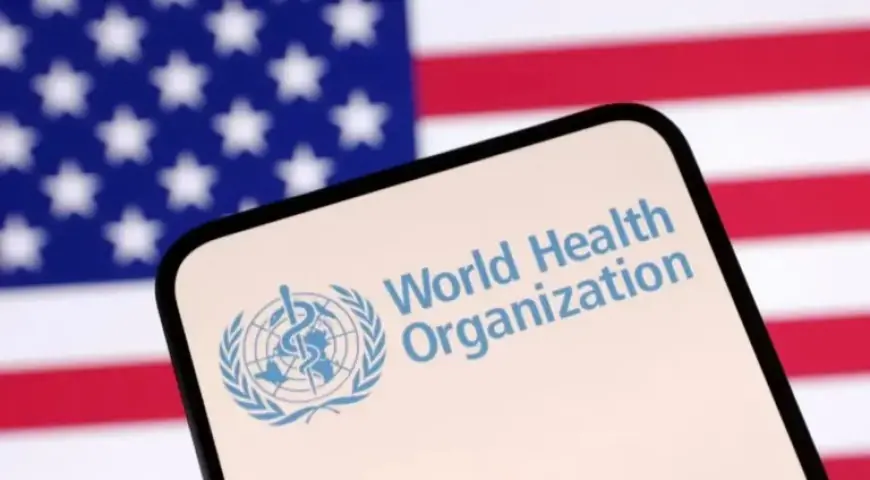
The United States has officially exited its membership with the World Health Organization (WHO), marking a historical shift since it became a founding member in 1948. This announcement was made by Health Secretary Robert F. Kennedy Jr. and Secretary of State Marco Rubio, who cited the organization’s shortcomings during the COVID-19 pandemic as a significant reason for the withdrawal.
Background of the Withdrawal
On Thursday, the announcement signaled the end of a long-standing collaboration between the U.S. and the WHO. It also highlighted the intention expressed by former President Donald Trump in 2020 to withdraw from the organization. However, his plans were not executed until now, when the formal withdrawal took effect.
Reasons for the Withdrawal
- The U.S. leadership criticized the WHO’s handling of the pandemic.
- Funding from the U.S. to the organization has ceased.
- Rubio and Kennedy indicated future U.S. engagement will be minimal, focusing solely on the withdrawal process.
Responses from International Leaders
Following the announcement, WHO Director-General Tedros Adhanom Ghebreyesus addressed the financial impact of the U.S. exit. He stated that the WHO had begun making cuts in response to the funding shortfalls. Additionally, U.N. Spokesperson Stephane Dujarric remarked on the implications of the U.S. withdrawal, bringing attention to the importance of global cooperation in addressing cross-border health issues.
Legal Aspects of the Withdrawal
The WHO’s chief legal officer, Steven Solomon, remarked on the unique provision created by the U.S. for the withdrawal. Under this provision, the U.S. was required to provide a year’s notice and fulfill its financial obligations for the current fiscal year. However, the U.S. was noted to be in arrears for its 2024 and 2025 payments.
Implications for Global Health
Public health advocates have expressed concern over the U.S. decision. Lucky Tran emphasized that the WHO plays a crucial role in uniting nations to combat health threats effectively. The exit could expose the U.S. and the global community to increased vulnerabilities concerning public health issues.
The WHO’s Role
Before the U.S. withdrawal, the WHO included 194 member states, coordinating health responses to crises like pandemics and other humanitarian disasters. The organization has actively facilitated international collaboration in fighting diseases such as Ebola and Tuberculosis, underscoring the significance of U.S. participation in global health forums.