






















Green Day’s 2026 moment is bigger than a Super Bowl gig: it’s turning into a cultural litmus test

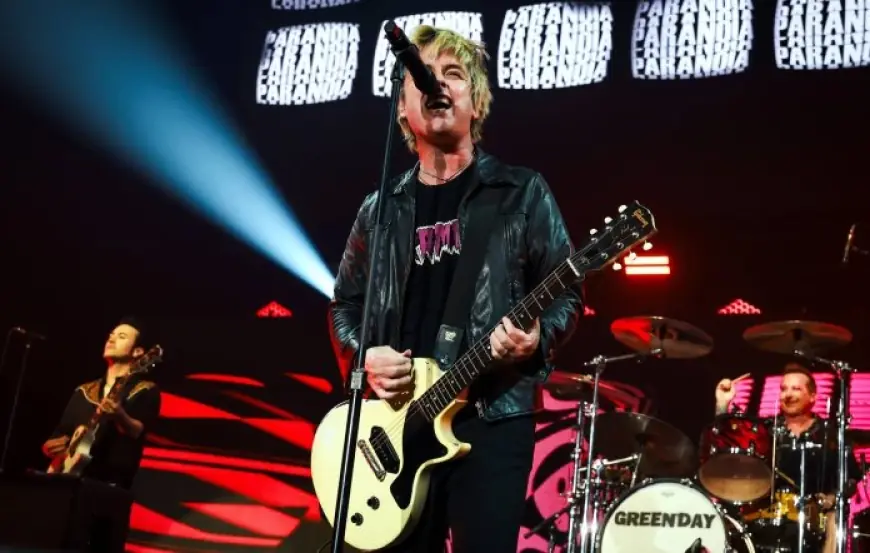
Green Day has spent three decades thriving on friction, but the band’s current spotlight is unusually concentrated: one part stadium ceremony, one part politics, and one part “are they still the loudest rock band on the biggest stages?” With Super Bowl LX weeks away, Green Day’s booking to open the game in Santa Clara on February 8, 2026 is no longer just entertainment news. It’s become a proxy fight about who gets cultural space on America’s most-watched broadcast—and what happens when a band’s identity is inseparable from its opinions.
The impact isn’t the setlist—it’s the collision of audience size and controversy
Green Day has played festivals, arenas, and global tours without blinking. The difference here is scale and symbolism. The Super Bowl opener is designed as a pageantry-heavy kickoff for the 60th edition of the game, with an on-field celebration tied to past Super Bowl MVPs. That puts Green Day in front of viewers who didn’t opt in for rock, punk, or even music—just football and ritual.
In that context, the blowback becomes part of the programming.
Over the past 24 hours, President Donald Trump publicly criticized the choice of both Green Day and halftime headliner Bad Bunny, calling the booking “terrible” and saying he is “anti-them,” while also saying he won’t attend the game. Whether fans view that as a distraction, a badge of honor, or a tired sideshow, it has already changed the frame: Green Day’s Super Bowl appearance is now being discussed as a cultural statement before a note has been played.
This is the Super Bowl effect in 2026: music isn’t just music at that scale. It becomes a referendum—often on issues the performers didn’t schedule into the show.
What’s actually confirmed for Super Bowl LX—and what Green Day’s role looks like
Here’s what’s locked in:
-
Super Bowl LX: Sunday, February 8, 2026
-
Venue: Levi’s Stadium, Santa Clara, California
-
Halftime: Bad Bunny
-
Game-opening ceremony: Green Day, as part of a kickoff segment honoring Super Bowl MVP history
The opener is not the halftime show—no sprawling 12-minute medley with guest-star teases and cinematic staging. It’s a different job: set the temperature, ignite the stadium, and get out of the way of kickoff. That format arguably suits Green Day: short, loud, instantly recognizable songs that can read clearly even to casual viewers walking back from the kitchen.
Mini timeline: how Green Day arrived at this spotlight
-
Jan 17, 2026: Green Day closes a major Los Angeles alt-rock event with a high-energy set (a reminder the live show is still their sharpest weapon).
-
Jan 23–24, 2026: Super Bowl chatter intensifies as the booking becomes entangled in national political commentary.
-
Feb 8, 2026: Green Day opens Super Bowl LX in Santa Clara, with the ceremony built around Super Bowl MVP recognition.
The other story running underneath: Green Day is still built for “big rooms”
The Super Bowl news landed because it’s massive, but it’s not happening in a vacuum. Green Day’s recent live appearances have been framed less as nostalgia and more as endurance—tight performance, crowd control, and a catalog that still functions like communal shorthand. That matters because “legacy act” is often code for “safe.” Green Day’s brand has never been safety; it’s energy and agitation, packaged in choruses everyone knows.
That’s why the Super Bowl slot is so combustible. A band whose identity is tied to confrontation is being placed in the most mainstream possible environment—right as the U.S. cultural climate is primed to argue about everything on-screen.
The open question isn’t whether Green Day will sound good. The open question is whether the broadcast becomes a music moment, a meme moment, or a flashpoint moment—and how quickly the conversation moves from the performance to the reactions around it.
Green Day doesn’t need to “make a comeback” to dominate a week of headlines. In 2026, all it takes is the biggest stage in American sports, a three-minute burst of guitars, and a public that can’t stop turning entertainment into identity.