

























Taiwan Invasion Failure Could Spell Disaster for Xi Jinping

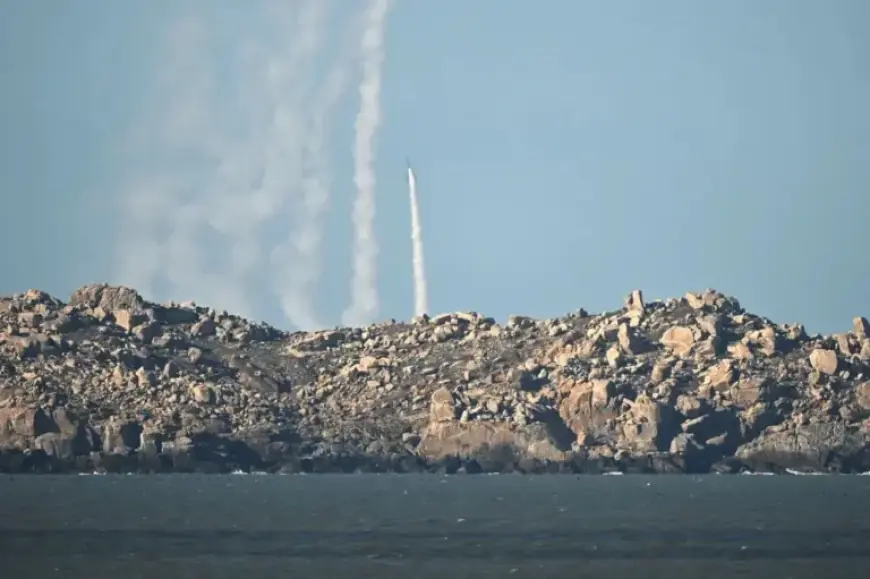
Recent analyses highlight significant concerns around the potential repercussions of a failed Chinese military operation against Taiwan. Various simulations, conducted by think tanks and scholars, often focus on the immediate responses of U.S. and allied forces, emphasizing the initial days of conflict. However, there is a notable lack of detailed exploration regarding the aftermath of such a failure. A new study by the German Marshall Fund of the United States addresses these serious implications.
Consequences of a Failed Invasion
The study outlines that a failed military operation would generate vast challenges for China across four interconnected domains: economic, military, social stability, and international standing.
Scenarios Evaluated
- Minor Skirmish: A brief conflict escalates into a maritime blockade, resulting in casualties but leading to U.S. intervention and a de-escalation.
- Full-Fledged Invasion: Extensive hostilities involving strikes against Taiwan as well as U.S. military positions result in severe Chinese losses and eventual withdrawal.
Economic Ramifications
The implications for the Chinese economy could be dire, with costs projected to soar into trillions. Experts from the Rhodium Group, including Logan Wright and Charlie Vest, highlight the potential for devastating financial ramifications, particularly as market reactions could exacerbate capital flight and currency instability.
Military and Political Risks
Joel Wuthnow points out the serious implications for China’s military, notably the People’s Liberation Army (PLA). Loss of personnel could destabilize the ruling Chinese Communist Party (CCP) and risk future military operations. Additionally, military defeats could complicate internal party dynamics, increasing the risk of a leadership challenge, particularly for President Xi Jinping.
Social and International Stability
Socially, a conflict failure could instigate unrest, according to analysts like Sheena Chestnut Greitens and Jake Rinaldi. Simultaneously, Zack Cooper suggests that international repercussions could hinder China’s global reputation for decades.
Potential Tipping Points
Importantly, the study illustrates that the costs associated with a failed invasion could escalate nonlinearly. As conflicts prolong, the implications for the economy, military, and international relations could become unpredictable.
| Domain | Consequences of Failure |
|---|---|
| Economic | Potential losses in the trillions, market instability, capital flight |
| Military | Severe personnel losses, weakened PLA, risk of party challenges |
| Social Stability | Increased unrest, potential for internal dissent |
| International Standing | Long-term damage to global reputation |
Xi Jinping’s Dilemma
For Xi Jinping, the calculus surrounding a military operation against Taiwan is fraught with risk. His vision of national rejuvenation by 2049 hinges on avoiding catastrophic outcomes. Any aggressive action could lead to significant operational failures, economic turmoil, and severe diplomatic isolation.
While the costs of inaction could equally deter him, past historical precedents suggest a pattern of decision-making driven more by perceived necessity than by caution. Chinese leaders may misjudge their military capabilities or the resolve of Taiwan and its allies, risking escalation.
To prevent a military misadventure, the U.S. and its allies must project readiness to rebuff Chinese aggression, thereby convincing Beijing that the costs of failure are unacceptably high. As tensions persist, the specter of a failed invasion looms, stressing the intricate balance in the Asia-Pacific theater.