
























Taiwan Faces Critical Challenges in 2026: A Perfect Storm?

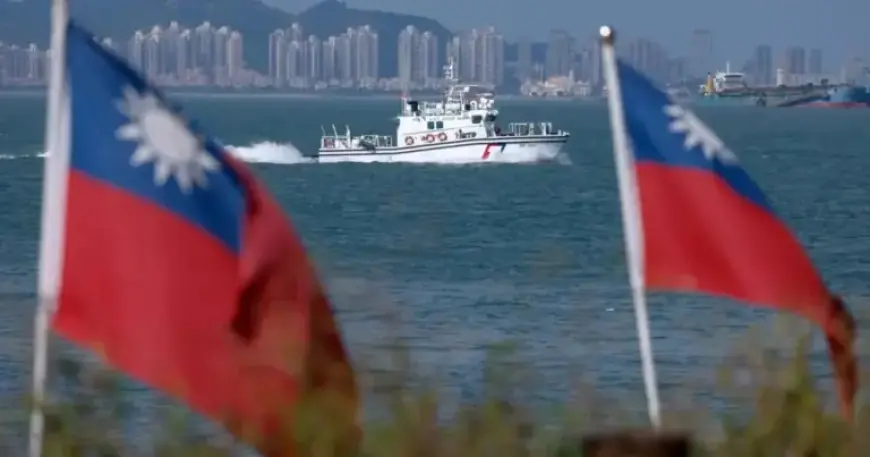
In 2026, Taiwan faces critical challenges amid rising tensions with China. A potential military confrontation looms as various geopolitical factors intersect, creating what some analysts term a “perfect storm.” This situation is underscored by several significant events and changes in leadership dynamics within both the U.S. and China.
The Davidson Window: A Prophetic Warning
In 2021, former U.S. Navy Admiral Philip Davidson warned of China’s ambitions regarding Taiwan, outlining a timeline for potential military action by 2027. His forecast, termed the “Davidson Window,” highlighted an urgent need for U.S. preparedness to deter Chinese advances. Following this, Congress approved $7.1 billion for the Pacific Deterrence Initiative, aiming to bolster U.S. military capabilities in the region.
China’s Changing Perspective on Taiwan
By 2025, sentiments within China concerning Taiwan shifted significantly. The Chinese leadership began asserting the inevitability of “reunification” with Taiwan. Analysts note that this newfound confidence stems from perceptions of U.S. nonchalance towards Taiwan’s security, particularly under President Donald Trump, who appeared disinterested in military intervention.
The Xi Jinping Factor
Chinese President Xi Jinping’s determination to unify Taiwan has grown amid a backdrop of declining support for Taiwanese President Lai Ching-te. Observers suggest that Xi sees 2027, marked by a crucial Party Congress, as a pivotal moment, although any aggressive moves may be tempered by internal political uncertainties.
Potential Risks of Military Action
Despite Xi’s insistence that the military should be ready for action by 2027, there are significant operational challenges. The complexities of executing an amphibious assault on Taiwan, particularly against its mountainous terrain, add to the operational risks involved. Furthermore, the upheaval within China’s military leadership has led to a decline in morale and readiness.
Geopolitical Implications: The Role of the U.S.
The U.S. political landscape significantly influences the situation in Taiwan. Trump’s recent policies, including tariffs and trade negotiations with Taiwan, cast doubt on America’s commitment to support Taiwanese independence. This evolving relationship raises the stakes in U.S.-China tensions.
Military Disparities and Future Conflicts
China maintains a significant military advantage over Taiwan, boasting over two million active personnel compared to Taiwan’s 170,000. As of 2025, China’s defense budget stood at $247 billion, while Taiwan’s budget was a mere $31 billion for 2026, despite increases due to security concerns.
- China’s active military: 2,000,000
- Taiwan’s active military: 170,000
- China’s defense budget (2025): $247 billion
- Taiwan’s defense budget (2026): $31 billion
Conclusion
As Taiwan navigates these turbulent waters, any perceived provocation from Taipei could prompt a major response from Beijing. The coming years will be crucial in determining whether a peaceful resolution is achievable or if a military confrontation is imminent. The convergence of political, military, and economic factors underscores the urgency for all parties involved in this high-stakes geopolitical chess game.