

























New Wastewater Monitoring System Detects Viruses Before Outbreaks

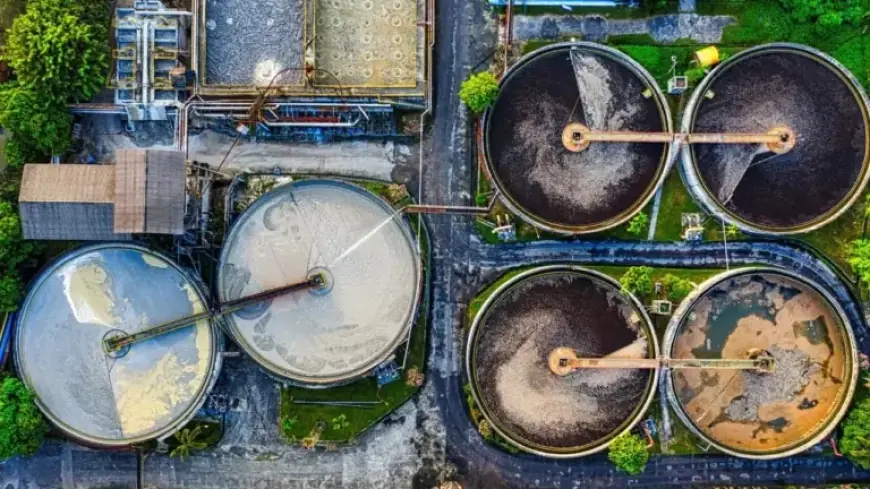
The monitoring of wastewater has emerged as a crucial public health tool. This method enhances the detection and tracking of viruses within populations. By analyzing wastewater, health authorities can identify outbreaks before they manifest in hospitals.
New Wastewater Monitoring System Detects Viruses Before Outbreaks
This innovative approach is based on a straightforward principle. Infectious agents leave traces in human waste, allowing for early detection of diseases. This analysis can provide insights into viral circulation within a community before symptoms appear in individuals.
How Wastewater Surveillance Works
Wastewater monitoring involves analyzing collective waste produced daily by a population. Infected individuals shed viral fragments in their urine or feces, often before showing any symptoms. These genetic materials can be detected in minute quantities through advanced laboratory analyses.
The process allows for the identification of infectious diseases in sanitation networks, providing a real-time overview of public health conditions. A single sample reflects data from thousands of individuals, offering a clearer picture of viral activity at a community level.
Advantages of Wastewater Monitoring
- Detects infections regardless of individual testing or reporting.
- Captures asymptomatic cases often missed in clinical statistics.
- Serves as an early warning signal for health authorities.
According to reports, an increase in viral traces typically precedes a rise in medical consultations. Health services can then prepare for increased demand, adjust resources, and enhance clinical monitoring. This proactive approach is critical during rapidly spreading epidemics.
Technological Advancements in Wastewater Surveillance
Recent technological developments have enhanced the capabilities of wastewater monitoring systems. In England, a comprehensive national system now simultaneously tracks multiple high-risk pathogens. This initiative does not focus solely on one virus; it encompasses a range of potential threats, including respiratory and gastrointestinal infections.
Automated genetic analyses identify specific viral signatures in wastewater samples. Regular tests are conducted at strategically important treatment plants, delivering reliable health indicators for entire regions. Research indicates that such monitoring can detect infectious agents several days before traditional clinical signals arise.
During the COVID-19 pandemic, wastewater networks already indicated the spread of the virus, even as individual testing decreased. The new system is poised to identify rare health threats before they reach clinical settings, enabling quicker and more targeted responses.
Implications for Public Health
Wastewater monitoring has become an essential decision-making tool for health authorities. When viral signals rise, health services can ramp up hospital capacity and adjust prevention campaigns. This preemptive strategy minimizes late reactions, avoiding drastic emergency measures.
However, there are limitations to consider. Detectable concentrations of viruses can fluctuate due to weather conditions and water usage patterns. Therefore, data interpretation should be longitudinal rather than day-to-day. Additionally, finding viral genetic material does not confirm active contagion, only indicating possible viral circulation.
Future Directions for Wastewater Monitoring
The true value of wastewater monitoring lies in its complementarity with clinical surveillance. Each method enhances the other, offering timely alerts and detailed confirmations. Privacy concerns may arise when sampling near specific facilities, necessitating clear regulations and transparent communication.
In the long run, this approach could revolutionize crisis management in public health. By acting preemptively, wastewater monitoring provides a discreet, ongoing, and collective perspective. In epidemic situations, this advantage can distinctly separate prevention from emergency response.