























Connections puzzle forecast: why this weekend’s grids are shaping how players prepare, share, and compete

Connections has quietly shifted from a five-minute brain break into a daily ritual with real stakes: streaks, group chats, and the low-key anxiety of a purple category that refuses to click. This weekend’s editions are a good example of why. Saturday’s grid leaned hard on misdirection and “looks obvious until it isn’t” wordplay, while Sunday’s puzzle is already being treated like a streak-protection day for many players. The bigger story isn’t a single set of answers—it’s how the game is changing how people solve.
The new pressure point isn’t difficulty—it’s social momentum
For a lot of players, Connections isn’t played alone anymore. It’s played around other people: friends comparing results, coworkers trading near-misses, families negotiating whether “we’re doing hints today.” That social layer raises the temperature of every puzzle.
A few things are driving the shift:
-
Streak culture: Even casual players now measure consistency, not just wins.
-
Daily pacing: One puzzle a day means the “miss” lingers for 24 hours.
-
Shared language: Color groups and category logic have become shorthand in conversations (“that purple was unfair” is practically a genre).
That’s why weekend grids can feel bigger than they should. People have more time to play—and more time to discuss—so the puzzle becomes a small communal event rather than a disposable distraction.
This weekend’s edition: winter wordplay, category traps, and the rise of “hint-first” solving
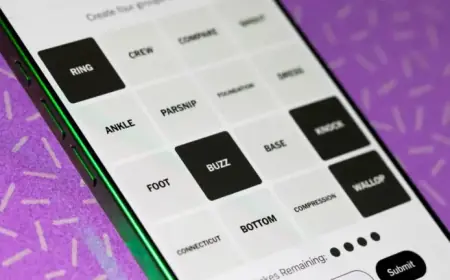
Saturday’s puzzle (Jan. 24, game #958) followed a pattern veteran solvers know well: several words seem like they belong together immediately, but the game punishes the first instinct. The grid featured at least one category style that reliably trips people up—phrases that complete a common starter word. Winter-themed constructions showed up in that mold, the kind that look simple until two nearly-identical completions compete for the same slot.
Sunday’s puzzle (Jan. 25, game #959) arrives with the same backdrop: many players going in with streaks on the line and an expectation that at least one group will require a leap rather than a link. That expectation is changing behavior. Instead of “solve cold,” more players now do a quick pass for obvious sets, then pivot to a lighter-touch approach: rearranging mentally, waiting for a clearer pattern, and only then committing guesses.
One noticeable trend around these recent puzzles is the growing popularity of structured hinting—not full spoilers, but guardrails. Players want enough information to avoid a premature mistake without losing the satisfaction of finding the exact categories themselves.
Micro Q&A: three things players ask every day (and the practical answer)
Is it better to hunt for the hardest group first?
Not usually. Clearing an easy set reduces noise and reveals how the puzzle is trying to mislead you.
What’s the fastest way to spot a trap?
If four words share a theme too cleanly, check whether one of them has a second, stronger relationship elsewhere.
When should you guess instead of thinking longer?
When you can name the category clearly and explain why each word fits. If you’re relying on “vibes,” you’re one misread away from burning a life.
Connections is still a word game, but it’s behaving more like a daily competition—soft, informal, and mostly friendly, yet built to reward discipline. This weekend’s grids underline the same lesson: the best edge isn’t knowing more words. It’s knowing when the puzzle is inviting you to be confidently wrong.