

























Texas Taxpayers to Fund Private Schools with Discriminatory Practices

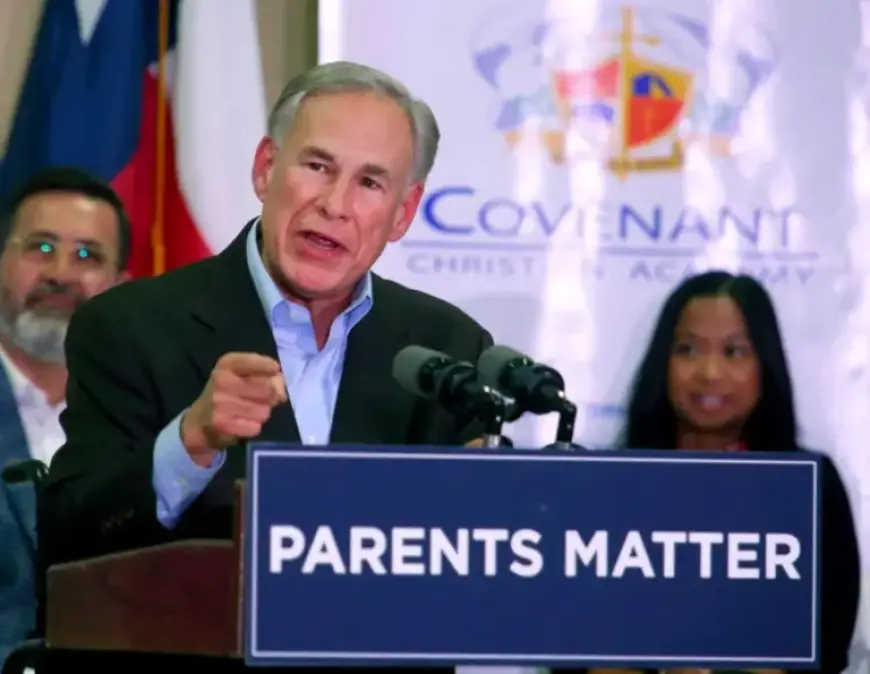
In Texas, a controversial school voucher program is poised to financially support private schools with discriminatory practices. Critics argue that taxpayer money should not fund institutions that enforce biased admission policies and reject students based on religion, sexual orientation, or disability.
Private School Admission Practices
Unlike public schools, private schools can refuse admissions based on various criteria. For instance, Chinquapin Preparatory School in Houston only allows students to take an admissions test if they pass an initial review of standardized test scores and recommendations.
- 40% of religious schools favor students of their own faith.
- 25% have discriminatory policies against LGBTQ+ individuals.
Nik Nartowicz from Americans United for Separation of Church and State highlights longstanding opposition to private school vouchers due to these biases. He emphasizes that public funds shouldn’t support religious discrimination.
Religious School Statistics
Analysis indicates that 268 participating private schools, primarily religious, reflect these trends:
- 176 Catholic schools
- 91 Protestant schools
- 1 Jewish school
- 23 secular schools
Catholic schools often prioritize students from their parishes. St. Theresa Catholic School in Austin includes various prioritization factors such as alumni and faculty children before accepting other applicants.
Critique of Admission Policies
Many Christian schools maintain strict admission criteria. Approximately one-third of these institutions deny enrollment to non-Christian students. Some schools, like Lifestyle Christian School in Conroe, explicitly require that families be active members of an evangelical church.
Students in Christian schools participate in chapel services and often receive religious instruction integrated into their academic curriculum. For example, Covenant Christian Academy merges biblical principles with all subjects, emphasizing a religious worldview in both history and science classes.
Concerns Over Educational Standards
The use of controversial educational materials raises further issues. Some private schools utilize textbooks from publishers like Abeka and Bob Jones University Press, which have faced criticism for presenting historically inaccurate narratives, particularly regarding slavery.
Discrimination Against LGBTQ+ Students
A significant portion of private religious schools explicitly imposes strict rules on sexuality and gender. Many incorporate statements from religious organizations that declare non-conformity to traditional gender norms as unacceptable.
Schools such as Bay Area Christian School reserve the right to reject students whose family dynamics or beliefs contradict the school’s religious standards. Similar policies are also evident in Catholic schools, which reinforce adherence to traditional gender identities.
Special Education Services
Private institutions, unlike public schools, are not mandated to provide special education services. An analysis revealed that fewer than a dozen of the 257 surveyed private schools indicated they offer these services. Many schools encourage families to pursue Individualized Education Plans (IEPs) to qualify for state funding, despite limited resources.
Community Response
Critics warn that implementing a school voucher scheme may detract from essential public school funding. State Representative Gina Hinojosa argues that proposals labeled as “school choice” may reduce educational options for Texan families, particularly for those in public education.
The Texas Conference of Catholic Bishops promotes the idea of utilizing public resources for private education while prioritizing students with exceptional learning needs as long as they fit within a limited program framework.
As public discussions on education funding continue, concerns persist regarding the implications of funneling taxpayer money into private schools that uphold discriminatory practices against marginalized groups.