
























Shai Gilgeous-Alexander is turning OKC’s injury chaos into an MVP-level stress test

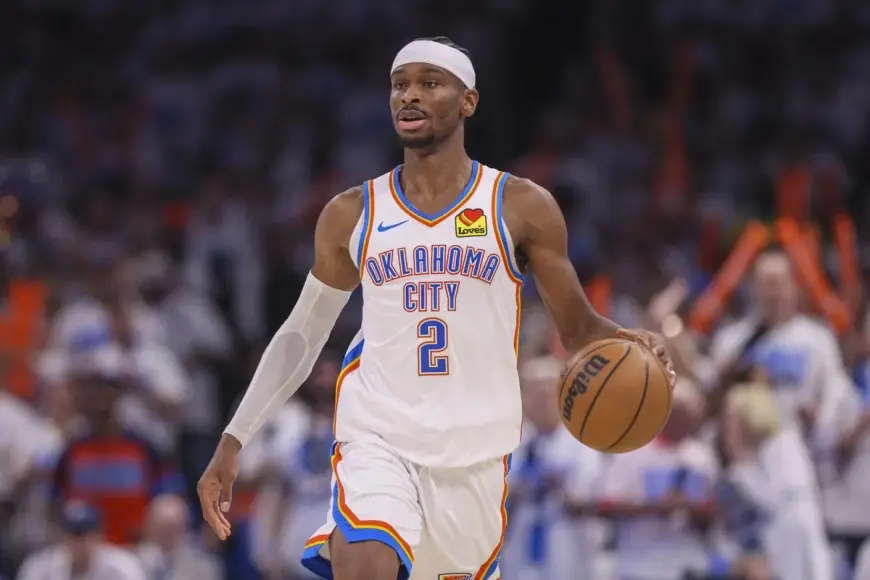
Shai Gilgeous-Alexander’s biggest case for MVP this season isn’t just the nightly point totals—it’s the way his scoring bends game plans when Oklahoma City is missing pieces. In a week where rotations have been patched together and roles have shifted on the fly, he’s kept the Thunder’s offense organized, pressurized the rim, and forced defenses to pick their poison. Here’s the part that matters: even on nights the result slips, the footprint of his game is getting louder, not quieter.
The new “market” for stops is SGA’s foul pressure—and it changes everything
When Gilgeous-Alexander is cooking, defenses can survive a tough jumper or two. What they can’t survive is the constant threat of the paint touch that ends in free throws, early foul trouble, and a scrambling rotation. That’s the hidden lever: it’s not only how many he scores, it’s how he scores—because it reshapes who can stay on the floor and how aggressively opponents can guard everyone else.
It’s easy to overlook, but late in the season the math of whistles and matchups becomes its own kind of scoreboard. If a team has to play more conservative to keep defenders out of foul trouble, shooters get cleaner looks and bigs get softer contests at the rim. That’s how a one-man advantage turns into an ecosystem advantage.
And with injuries testing Oklahoma City’s depth, that ecosystem effect matters more than ever: the Thunder don’t need him to be a hero once a week—they need him to be a stabilizer every possession.
Two huge nights, two different lessons: Milwaukee blowout, Indiana heartbreak
Over the past few days, Gilgeous-Alexander has put up the kind of back-to-back performances that swing award chatter—and also reveal where Oklahoma City still has to tighten screws.
Against Milwaukee on January 21, he detonated a monster line: 40 points, 11 assists, seven rebounds, powering a comfortable 122–102 win. That game had the cleanest version of the Thunder formula: SGA draws the defense inward, the ball moves, the pace stays controlled, and OKC gets to play from in front.
Then came January 23 at home against Indiana, and the story flipped without really changing. Gilgeous-Alexander poured in 47 points on 17-of-28 shooting, but the Thunder fell 117–114. Chet Holmgren added 25 points and 12 rebounds, yet OKC couldn’t quite seal the final sequence—Indiana closed with enough shot-making and enough composure to survive the late push.
The real question now is how Oklahoma City turns “SGA was unstoppable” into “the game is over” more reliably in the final two minutes. When your star scores 47 and you still lose, the postgame isn’t about effort—it’s about execution details: a defensive rebound you didn’t finish, a rotation that arrived half a beat late, a possession that stalled into a contested jumper.
Mini timeline of the surge (and the squeeze)
-
Jan. 17: Gilgeous-Alexander climbs back to the top spot in a major MVP ranking update.
-
Jan. 21: Drops 40 with 11 assists in a 20-point win over Milwaukee (122–102).
-
Jan. 23: Erupts for 47 in a narrow loss to Indiana (117–114).
-
Earlier in the matchup: The first Thunder–Pacers meeting went to double overtime, hinting this pairing has been wired for chaos all season—one more clean closing stretch can flip the next one.
Why this run matters beyond highlights
These aren’t just big numbers; they’re proof of portability. Gilgeous-Alexander’s scoring scales up when lineups get weird, and it doesn’t depend on a single kind of shot falling. That’s rare.
A few practical ripple effects:
-
For opponents: You can’t “wait him out.” If you play drop coverage, he walks into rhythm shots. If you switch, he hunts angles. If you blitz, he’ll find the release valve—especially when his passing is sharp early.
-
For teammates: His pressure creates simpler reads. That’s huge when the rotation is missing familiar combinations.
-
For the Thunder’s title defense: The baseline is high enough that OKC can survive rough shooting nights—if the closing possessions become a little more ruthless.
Gilgeous-Alexander is making the MVP argument in the most convincing way possible: by making every Thunder game feel like it starts with a built-in advantage. Now the challenge is turning that advantage into fewer nail-biters when the calendar gets tight and every possession is a referendum.