























Michael Porter Jr.’s surge is forcing the Nets to choose between rebuilding faster—or cashing in at peak value

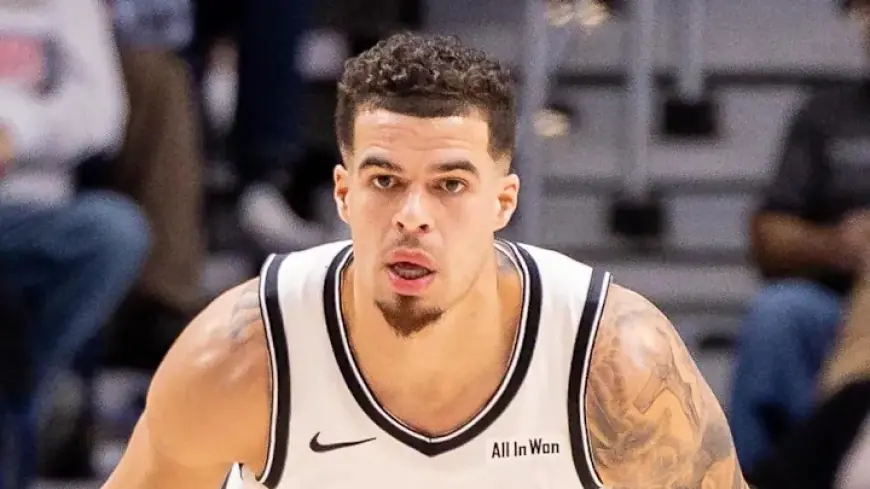
Michael Porter Jr. is playing well enough to warp Brooklyn’s next move. On a team buried in the East standings, he has turned into a nightly engine—high-volume scoring with elite efficiency—right as the trade deadline compresses every decision into weeks. The consequence is simple: Brooklyn can keep a proven 27-year-old scorer as a pillar for a quicker reset, or use this moment—when his value is arguably highest—to accelerate a longer rebuild with picks and young talent.
A star season on a losing team changes the leverage
Brooklyn’s record has kept the spotlight dim, but Porter’s production hasn’t been subtle. He entered the Knicks game at Madison Square Garden averaging 25.8 points, 7.5 rebounds, and 3.2 assists, all career highs, placing him squarely in All-Star territory on numbers alone. The voting results reflected that interest: he finished ninth among Eastern Conference players in the fan count, leaving his candidacy to the league’s coaches for the remaining roster spots.
The tension for Brooklyn is that his season creates two competing truths at once:
-
He’s good enough to build with. A 6-foot-10 wing who can score quickly, space the floor, and punish mismatches is rare—especially one still in his prime.
-
He’s valuable enough to sell high. Teams hunting for playoff scoring and shooting tend to pay more when the target is already producing at a near-elite level.
That push-pull is intensified by how Brooklyn got here. After finishing 2025 strongly, the Nets opened 2026 by dropping nine of eleven and sat 12–29, 13th in the East, heading into that Knicks matchup. Losing can make even a great season feel like a luxury; it also makes the front office’s timeline the real story.
How he became the center of deadline gravity
Porter arrived last summer from Denver in a deal that also brought Brooklyn a 2032 unprotected first-round pick, with Cameron Johnson going the other way. The move effectively bet on two things: that Porter could scale into a primary scoring role, and that the roster—heavy with youth—would benefit from a confident shot-maker who doesn’t need play-calling to generate points.
That bet has paid off individually. It’s also stirred the league’s imagination, because a scorer at this level can fit almost anywhere. The broad expectation around the NBA right now is that Brooklyn is listening on calls rather than aggressively pushing him out the door. That posture matters: “listening” keeps leverage, invites overpays, and buys time to evaluate whether the team’s young players are ready to climb sooner than expected.
Porter himself has leaned into the idea that organizational belief can unlock production, pointing to how consistent confidence—especially from head coach Jordi Fernandez—changes a player’s rhythm and decision-making. For a shooter, that’s not fluff. It often determines whether tough shots become “bad shots” or simply the team’s best available offense.
Small indicators that could tilt the decision
-
A short winning streak against top opponents can shift internal urgency from “asset collection” to “add stability.”
-
Any surprise minutes restriction or missed games could change how teams price his availability.
-
If Brooklyn starts prioritizing late-game reps for rookies, it signals a longer runway—and increases the logic of converting veterans into picks.
-
A quiet market for other wings can inflate demand for Porter specifically, raising the odds of a pick-heavy offer.
None of these are dramatic on their own. Together, they shape whether Brooklyn treats Porter as a cornerstone or as the cleanest way to buy future flexibility.
For now, the clearest reality is that Porter’s season has narrowed the range of acceptable outcomes. When a player is producing like an All-Star, “do nothing” becomes an active choice—one that defines not just the next trade deadline, but the entire direction of the franchise.