























DeepMind CEO Criticizes OpenAI’s Rapid Push for ChatGPT Ads

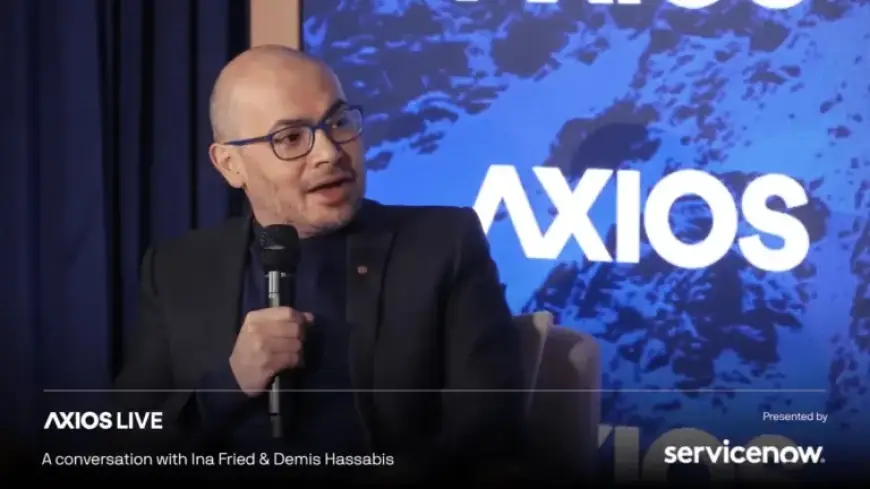
Demis Hassabis, CEO of Google DeepMind, expressed his surprise over OpenAI’s quick decision to introduce advertisements within its AI chatbot. In an interview with Axios at Davos, he discussed the potential implications of monetizing AI services, highlighting that Google is taking a more measured approach.
OpenAI’s Introduction of Ads
OpenAI recently announced plans to test ads aimed at generating revenue from the application’s extensive user base, which includes 800 million weekly active users. This move comes as a response to rising infrastructure and energy costs. Its impact could significantly alter user perceptions of the service.
Concerns About Trust and Experience
Hassabis acknowledged the necessity of advertisements in funding internet services but raised concerns about their role in AI assistants. He questioned how ads would fit into the ideal of nurturing a trustworthy and helpful digital assistant. “You want to have trust in your assistant, so how does that work?” he queried.
Google’s Approach to AI Monetization
Unlike OpenAI, Hassabis asserted during his Davos interview that Google does not plan to incorporate ads in its AI chatbot. Instead, the company intends to observe user reactions to OpenAI’s implementation and will carefully assess any future decisions regarding advertisement use.
User Reactions to Ads
- OpenAI faced backlash when it previously tested app suggestions within chats.
- Users felt these suggestions resembled intrusive ads, leading OpenAI to discontinue the feature.
Hassabis emphasized that chatbot interactions significantly differ from traditional search engine experiences. Chatbots are designed to assist users on a personal level, while search ads are more about understanding user intent. “That has to be thought through very carefully,” he stated.
Google’s Personalization Efforts
In addition to discussing ads, Hassabis announced new personalization features for Google’s AI, Gemini. Users can now opt-in for tailored responses by allowing the AI to access their Gmail and Photos, enhancing the overall experience of the service.
The Future of AI Advertising
Although Hassabis does not feel immediate pressure to incorporate ads into Google’s AI, he suggested that finding a prudent method for ads in the future remains possible. “We don’t feel any immediate pressure to make knee-jerk decisions,” he noted, emphasizing the importance of a scientific and thoughtful approach in developing AI technologies.