
























Tom Brady Prioritizes Fox Job Over Raiders Role

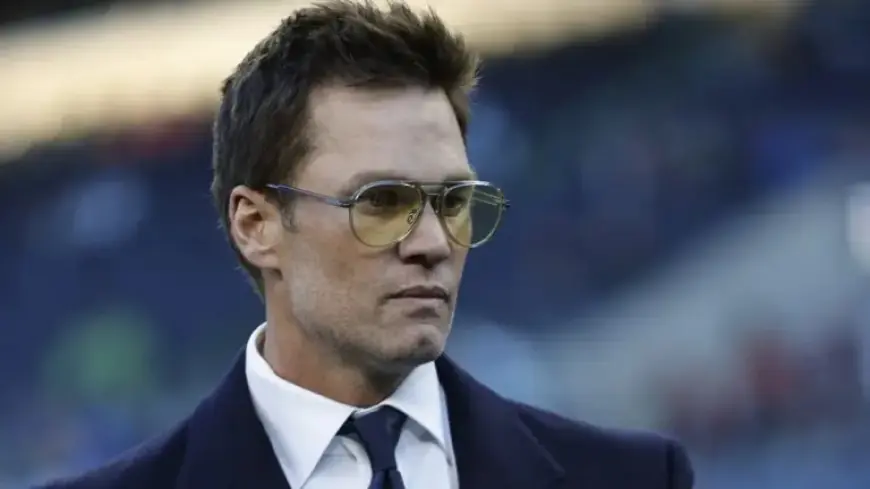
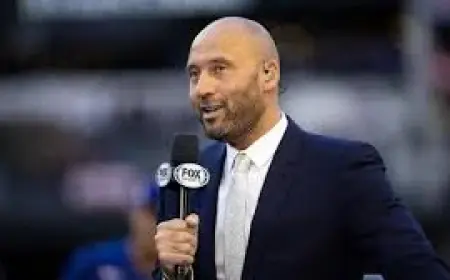
Tom Brady recently emphasized his dedication to his broadcasting role at Fox over his advisory position with the Las Vegas Raiders. Following the Raiders’ decision to part ways with coach Pete Carroll, General Manager John Spytek was appointed to oversee football operations, with Brady’s support playing a crucial, albeit secondary, role.
Tom Brady’s Commitment to Fox
Brady’s focus on his broadcasting career is significant. He commented, “My preparation is very much centered around what I have to do in broadcasting.” This commitment indicates a clear prioritization of his duties at Fox, even as he holds a minority ownership stake in the Raiders.
A Dream Come True
For Brady, being part of the Raiders organization is fulfilling. He described it as a “dream come true” to shift from player to a position where he can help shape the team’s future. However, he acknowledged that his ambitious plans for the team have not materialized as expected.
Challenges Ahead for the Raiders
Looking toward the future, Brady has set his sights on 2025, but results may prove challenging. As the Raiders enter a new season, scrutiny around their performance will intensify. Brady’s full involvement may be crucial, but he continues to navigate his dual roles.
Dual Responsibilities Create Conflicts
Brady’s responsibilities with Fox may create potential conflicts of interest as he juggles his broadcasting career with his contributions to the Raiders. Observers express concern that a team owner should not also act as a league-wide broadcaster. Yet, neither the NFL nor Fox has restricted his roles, leading to a new, controversial standard in the league.
Future Aspirations
- Brady aims to eventually become a majority owner of the Raiders or another team.
- He is prepared to balance both his Fox obligations and Raider responsibilities.
- His involvement may significantly impact the team’s strategic direction.
As Brady continues to manage his broadcasting career and his role with the Raiders, the effectiveness of this dual approach will be closely monitored by fans and analysts alike. The path forward may redefine expectations and norms in sports ownership and broadcasting.