























Arctic Battle Maps Reveal Trump’s Strategic Misstep

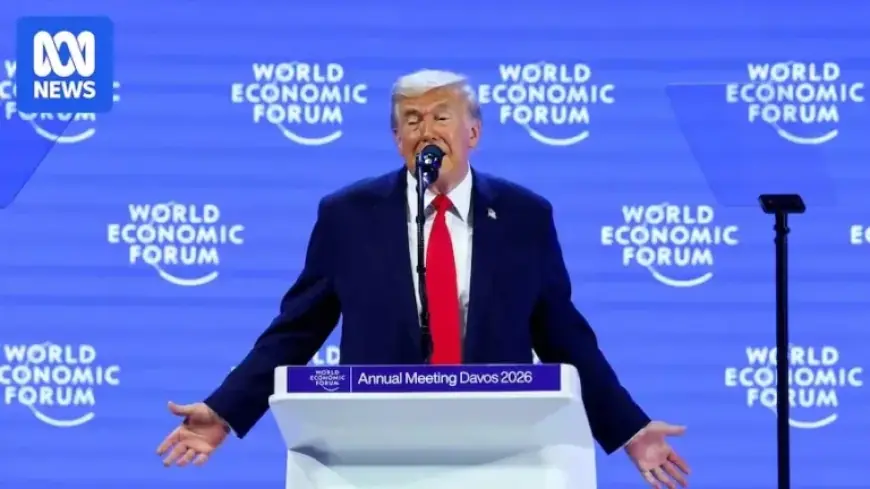
The Arctic region has increasingly become a focal point for geopolitical tensions, particularly regarding the roles of the United States, Russia, and China. Former President Donald Trump’s insistence that Greenland should belong to the U.S. has reignited discussions about the strategic importance of the Arctic island. Amidst heightened rhetoric, Denmark has denied any knowledge of such claims made by Trump about securing access to Greenland.
Impact on U.S.-EU Relations
Analysts suggest that Trump’s assertions have strained the relationship between NATO allies. An EU leader remarked that trust in the United States has been adversely affected due to the controversy surrounding Greenland. During a meeting with NATO chief Mark Rutte, Trump mentioned forming a framework for future dealings concerning Greenland and the broader Arctic region.
Strategic Importance of the Arctic
- The Arctic comprises eight nations: Russia, Canada, the United States, Norway, Denmark (via Greenland), Finland, Sweden, and Iceland.
- Approximately 4% of the globe is occupied by this vast area, with Russia controlling half of its landmass.
- The Kola Peninsula is central to Russia’s military infrastructure, posing potential threats to the U.S. Eastern Seaboard.
Military experts highlight that Greenland’s geographic position could be significant for U.S. military preparedness. The existing NATO treaty with Denmark allows the U.S. to benefit from Greenland’s strategic location without needing formal control over the territory. This arrangement could facilitate early detection of airborne threats from Russia.
Russia’s Arctic Aspirations
Vladimir Putin views the Arctic as a critical area for asserting power. Russian military activities in the region serve both deterrence and regional dominance. As noted by experts, the deterioration of U.S. relations with its allies could embolden Russia to act more aggressively.
Consequences of the Greenland Debate
The significance of the Greenland controversy extends beyond mere geography. Experts argue that the discord has created a fracture beneficial to Russia. Incoming power positions like those held by the U.S. and EU are now perceived as uncertain. As trust erodes, the likelihood of miscalculations and regional escalation increases.
- Trump’s original interest in Greenland can be traced back to his first term as president.
- Attempts to purchase Greenland echo historical territorial expansions, reminiscent of past U.S. acquisitions.
- Experts note that the Arctic’s ice is rapidly diminishing due to climate change, unlocking additional opportunities for resource exploration.
The Future of Arctic Diplomacy
The changing landscape of the Arctic is drawing interest from multiple nations, including China and India. As countries seek to assert their influence in a region increasingly vulnerable to climate change, the dynamics of Arctic politics continue to evolve.
Experts posit that global demand for natural resources will further escalate interest in the Arctic, while concurrent military activities from major powers may complicate the situation. The Arctic’s future remains uncertain, as competing interests vie for dominance in this strategic region.