

























Warming Gulf of St. Lawrence Alters Whales’ Diet, Prompts Meal Sharing

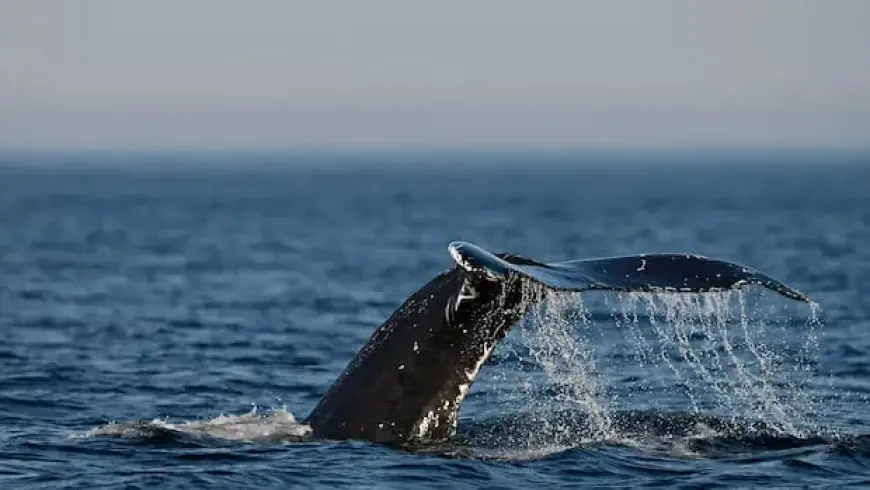
The warming waters of the Gulf of St. Lawrence are significantly altering the diets of baleen whales. A study from researchers at the Université du Québec à Rimouski reveals that the absence of Arctic krill has led fin and minke whales to adapt their feeding habits. They are now consuming more forage fish like capelin, mackerel, and herring, which are also favored by humpback whales.
Changing Diets of Whales
Charlotte Tessier-Larivière, the lead author of the study, emphasized the importance of adaptation. “Our study shows that whale species are able to adjust their diet to varying availability of preferred prey,” she noted. While this adaptability is promising, it raises concerns about the sustainability of these prey species.
- Study indicates a shortage of Arctic krill.
- Fin and minke whales are increasingly eating capelin, mackerel, and herring.
- Humpback whales share similar dietary preferences.
Implications of Diet Overlap
Hanna Vatcher, a campaigner with Oceana, expressed both hope and concern regarding the findings. Her organization has long observed the effects of climate change on marine ecosystems. The study highlights the reality that changing ocean conditions are reshaping the diets of these majestic whales.
Research Methodology
The study spanned 28 years, collecting tissue samples from different whale species and their prey during the summer months. Carbon and nitrogen isotopes in the samples provided insights into the dietary habits of these whales.
Analyses showed an increase in forage fish signatures within the tissues of fin, minke, and humpback whales. Vatcher emphasized the ecological significance of forage fish, stating they are the backbone of the marine food web.
Resource Sharing Among Whales
The research revealed that despite sharing the same food sources, these whale species do not necessarily compete. Instead, they exhibit “resource partitioning.” This behavior allows them to adjust their feeding strategies, potentially focusing on different fish species at varying times or depths.
- Resource partitioning helps reduce competition.
- Whales target different fish species based on availability.
Future of Marine Conservation
Janie Wray, CEO of BC Whales and North Coast Cetacean Society, noted the importance of the study in understanding whale behaviors. She remarked on the intelligent adaptation strategies employed by whales, including innovative hunting techniques like bubble net feeding.
Wray stressed the necessity of protecting critical marine habitats. Studying whale congregations can help identify essential areas for conservation. Although the area studied isn’t a marine protected zone, there are discussions about expanding protected spaces in the Gulf of St. Lawrence.
Adapting Conservation Strategies
The relationship between climate change and the whales’ feeding behaviors highlights the need for dynamic marine conservation efforts. Vatcher articulated that future protections must be informed by climate projections, considering not just historical patterns but also current ecological shifts.
“Protecting whales and their habitats will require adaptive management strategies,” Vatcher affirmed. “We must recognize where their food sources are moving due to climate change.”
This ongoing research signifies a crucial step in understanding and protecting the future of marine life in the Gulf of St. Lawrence.