

























Historic Natural Gas Prices Surge Amid Extreme Winter Storm Threat

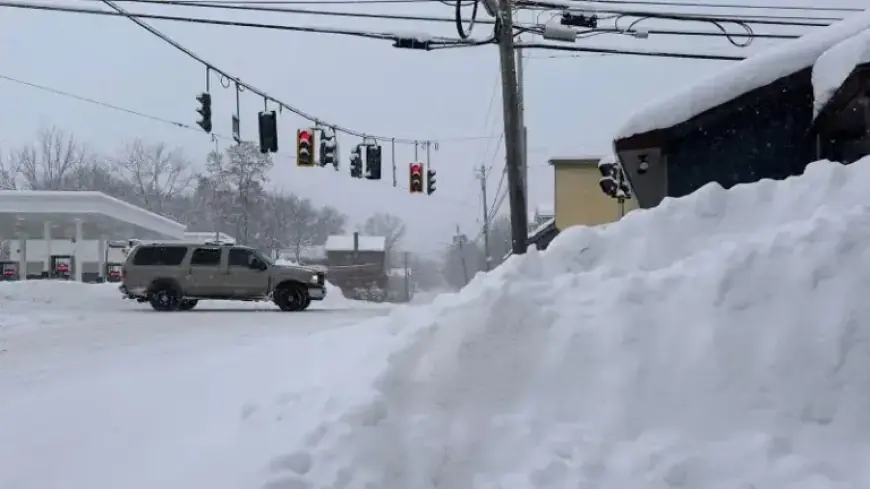
Severe winter weather warnings have triggered a significant surge in natural gas prices in the United States. Recent reports indicate that near-term natural gas futures have increased by over 70% this week, marking the highest price levels since 2022 and the most substantial weekly rise observed since 1990, according to data from FactSet and Bloomberg.
Impact of Extreme Winter Storm
The escalating prices are linked to forecasts of a severe winter storm expected to hit much of the country. The intense cold is likely to lead to heightened demand for heating, putting pressure on natural gas supplies. Darrell Fletcher, a commodities expert at Bannockburn Capital Markets, noted that such drastic movements in natural gas futures are rare, even in his three decades of trading experience.
Challenges from Cold Weather
- Increased demand for heating will cause significant depletion of natural gas reserves.
- Low temperatures may disrupt pipeline operations and affect production in key regions.
- Natural gas is the primary heating source for many households across the U.S.
According to Robert Yawger, a commodity analyst at Mizuho Securities, the anticipated surge in demand may lead to a historic drop in natural gas storage levels. This cold snap could negatively impact production in major natural gas hubs, particularly in Texas, Louisiana, and Appalachia.
Electricity Generation and Market Volatility
Natural gas also plays a critical role in U.S. electricity generation, accounting for approximately 40% of total electricity output. As demand for heating increases, so does the need for electricity, compounding the strain on natural gas supplies.
Patrick Rau, a senior vice president at Natural Gas Analysis, expressed concerns that multiple days of reduced production, coupled with soaring demand, may severely impact storage levels. Energy traders are also preparing for the possibility of “freeze-offs,” where water freezes within pipelines, disrupting gas flow and limiting production capabilities.
Implications for Energy Policy
The White House is monitoring the situation, emphasizing that its energy policies are aimed at providing cost relief for families. A spokesperson stated that despite current price fluctuations due to the approaching storm, U.S. natural gas production is projected to reach record highs this year.
Furthermore, Ben Dietderich, representing the U.S. Department of Energy, highlighted that American natural gas output surpasses that of any other nation, outlining efforts to mitigate the economic impacts of rising energy costs.
Future Outlook
Despite the current spike in near-term contracts, longer-dated natural gas futures remain more stable. Analysts attribute this volatility not only to the winter weather but also to rising exports of liquefied natural gas (LNG). Recent federal estimates predict a 37% increase in LNG exports this year, leading to a reduction in the gas available for domestic consumption.
With this ongoing situation, the market remains unpredictable, demonstrating the dynamic nature of natural gas trading amid extreme weather conditions.