The "Cold Handshake" Controversy: Why Naomi Osaka’s 2R Win is About More Than Just Tennis

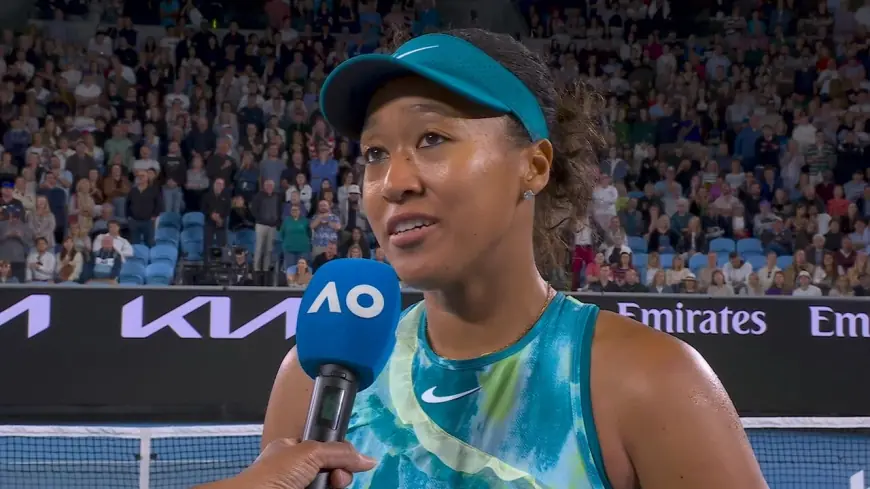
MELBOURNE – Naomi Osaka has secured her place in the Australian Open third round with a 6-3, 4-6, 6-2 victory over Sorana Cîrstea. While the scoreboard shows a hard-fought win, the post-match "tense handshake" has ignited a fierce debate regarding "fair play" and the psychological warfare of modern Grand Slam tennis.
1. Tactical Breakdown: The Return of "First-Strike" Tennis
Osaka’s win wasn’t just about resilience; it was a tactical recalibration. After losing momentum in the second set, Osaka reverted to her championship-winning formula:
-
The Power Serve: In the deciding set, Osaka’s first-serve percentage climbed back above 70%, effectively neutralizing Cîrstea’s aggressive returns.
-
Simplifying Patterns: By focusing on "serve-plus-one" patterns, Osaka removed the rhythm-breaking rallies that allowed Cîrstea to claw back into the match.
2. Decoding the "Handshake Drama"
The brief, chilly exchange at the net wasn't just a moment of poor sportsmanship—it was a reaction to the "gray areas" of tennis etiquette.
-
The Conflict: Players often feel opponents use subtle "rhythm breakers" (noise, slow play, or movement).
-
The Impact: When these frustrations boil over, the handshake becomes the only outlet for that adrenaline. For Osaka, addressing this publicly shows the immense pressure she is under to maintain a "perfect" image while competing at the highest level.
3. Comparison: Osaka’s Evolution (2024 vs. 2026)
To understand why this match matters, we must look at Osaka's growth in handling tournament friction:
| Feature | Previous Seasons | 2026 Australian Open |
| Emotional Resilience | Often struggled to pivot after controversy. | Immediate apology to "remove the noise." |
| Physical Grinding | Tendency to fade in 3-set matches. | Dominated the 3rd set (6-2) with high intensity. |
| Media Strategy | Often withdrawn or silent. | Proactive communication to keep the focus on tennis. |
4. What’s Next: Can She Block Out the Noise?
Grand Slams are won by those with the highest "emotional efficiency." For Osaka to reach the second week, she must:
-
Ignore the Viral Clips: Social media will obsess over the handshake; her team must ensure she stays in the "tactical bubble."
-
Maintain Assertive Positioning: When Osaka plays "close to the baseline," she is nearly unbeatable.
-
Control the Narrative: Her quick apology was a masterclass in PR, ensuring that her next opponent focuses on her serve, not her drama.