Christian Parker to Dallas: Cowboys’ Defensive Coordinator Search Ends With a Bold, Youth-Driven Choice

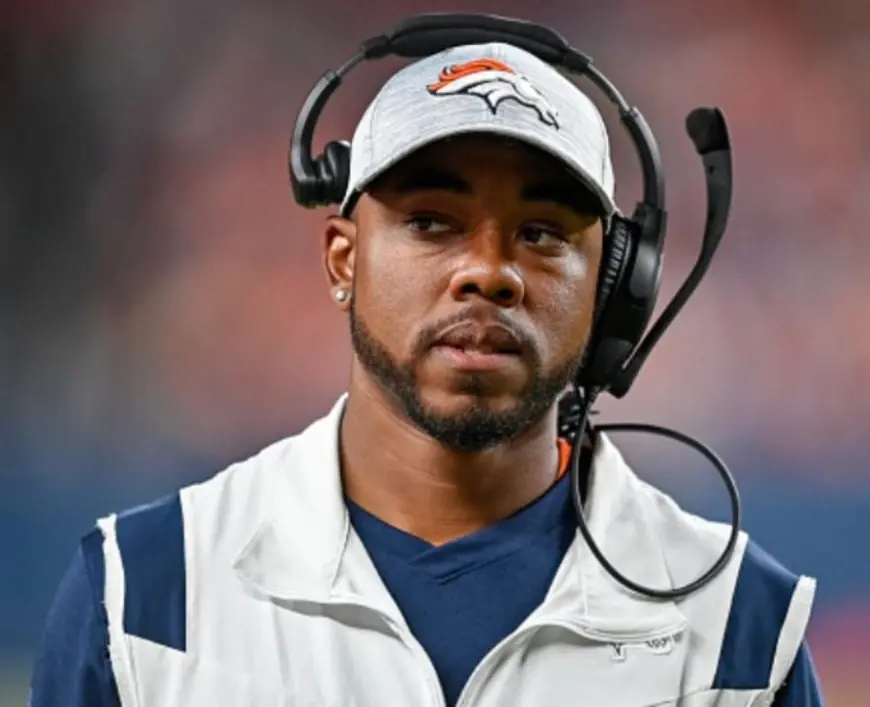
Multiple league updates on Thursday indicate the Dallas Cowboys are moving to hire Christian Parker—most recently the Philadelphia Eagles’ passing game coordinator/defensive backs coach—as their next defensive coordinator. The move, still pending final paperwork and formal announcement, signals a clear pivot: Dallas is betting on a fast-rising teacher of the secondary with recent experience in a modern, coverage-forward system rather than a long-tenured coordinator retread.
For a franchise that has often leaned on familiar names, the Christian Parker decision reads as an organizational statement. It prioritizes development, adaptability, and schematic cohesion in the back end—areas that often decide playoff games when elite quarterbacks force defenses into constant adjustments.
Why Christian Parker fits what Dallas has been chasing
Dallas’ defense has lived on a razor’s edge in recent seasons: disruptive when the pass rush hits home, vulnerable when opponents neutralize pressure and isolate coverage rules. Parker’s recent work has centered on eliminating those stress points—tightening communication, improving leverage discipline, and marrying coverage calls to the pass rush plan.
The appeal is straightforward:
-
Secondary-first identity: Parker’s reputation is built on defensive back development, technique, and coverage structure—critical in a league where explosive passing plays swing outcomes.
-
Modern passing-game answers: His “passing game coordinator” title reflects week-to-week planning against route concepts, matchup tendencies, and quarterback triggers.
-
System continuity: He has spent the last two seasons inside a scheme tree associated with Vic Fangio-style principles: disguises, split-safety flexibility, and forcing methodical drives instead of quick strikes.
Christian Parker’s rise: from college assistant to NFL coordinator
Parker’s path is notable because it’s both rapid and layered: he’s coached at smaller programs, worked as an analyst at major college teams, then climbed through NFL roles that sharpened the exact skill set Dallas needs.
A simplified timeline of Christian Parker’s coaching climb:
-
Early coaching stops in college football, focusing on defensive backs and recruiting responsibilities
-
Defensive analyst roles at major programs, building game-planning and scouting depth
-
NFL entry as a defensive quality control coach (film breakdown, weekly opponent prep, scout team structure)
-
Position coach role in the NFL secondary, refining technique and coverage teaching
-
Eagles passing game coordinator/DB coach, with expanded influence over weekly defensive plans
-
Now poised for his first defensive coordinator job in Dallas
That mix matters. Coordinators who thrive today typically aren’t just play-callers; they’re systems managers who can translate a plan across meetings, practice periods, and in-game adjustments.
What changes on the field could look like in 2026
If Parker’s hire becomes official, expect Dallas to emphasize coverage integrity without abandoning aggression. The most likely on-field themes:
-
More disguise, fewer giveaways pre-snap
Offenses feast when they can predict coverage shells early. Expect Dallas to show one look and rotate late more often. -
Greater split-safety flexibility
The goal: shrink explosive plays, force checkdowns, and win on third down with disguised pressures rather than constant blitzing. -
Clearer rules vs. motion and bunch formations
Modern offenses use motion to create communication busts. Parker’s background points to an emphasis on “call it fast, communicate it clean” defensive structures. -
A development-forward approach to the DB room
Dallas’ ability to sustain a top defense will hinge on turning young corners and safeties into reliable, assignment-sound players—not just athletes.
The ripple effects: staff building, player fit, and offseason priorities
A first-time coordinator hire usually comes with two immediate questions: Who does he bring with him? and What does he need from the roster?
Key offseason implications:
-
Staff hires: Dallas will likely add assistants with strong front-seven credentials if Parker’s core strength is the backend. Balancing the staff becomes essential—especially in run fits and pressure design.
-
Linebacker and safety versatility: Fangio-adjacent structures often demand defenders who can cover, fit the run, and communicate checks. The Cowboys may prioritize multi-role players over single-purpose specialists.
-
Pass rush with coverage synergy: The dream is pressure without selling out. Dallas’ personnel decisions could lean toward rushers who win quickly with four, enabling two-high coverages behind them.
Why the timing matters: competition for Parker heated up fast
Parker’s name had been circulating in defensive coordinator conversations this week, including interest tied to another NFC opening. Dallas moving quickly suggests urgency: when an emerging candidate starts stacking interviews, the market can shift in days.
For the Cowboys, that speed is part of the story. They didn’t just fill a vacancy—they made an early, decisive bet on a coach whose stock is rising, aiming to capture that upside before it becomes the consensus choice league-wide.
What to watch next in the Christian Parker hiring
Until the team makes it official, treat the hire as developing. The next signals that will define how big this shift is:
-
Whether Parker will call plays himself or delegate early while settling in
-
Which assistants arrive to support the front-seven run game plan and pressure menu
-
Any early personnel moves that hint at a philosophical shift (coverage-first safeties, versatile linebackers, DB depth emphasis)
If finalized, the Christian Parker hire could be remembered as one of those turning-point decisions: either the moment Dallas modernized its defensive identity for the postseason, or a high-variance gamble that tests how quickly a young coordinator can command an entire unit. Either way, the Cowboys are clearly choosing evolution over comfort.