

























Chery Targets Expansion into Canada’s Electric Vehicle Market

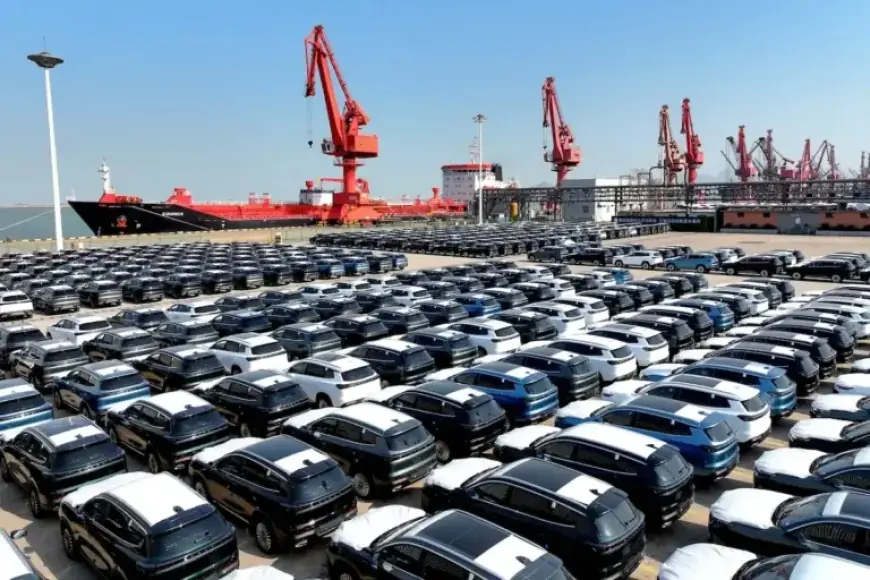
Chery Automobile Co. Ltd., a prominent Chinese car manufacturer, is set to make significant strides in Canada’s electric vehicle market. Recently, a notable agreement was reached that facilitates a reduction in tariffs on select Chinese-made electric vehicles (EVs). This development positions Chery to potentially become the first Chinese automaker to introduce mainstream passenger cars in Canada.
Chery’s Strategic Expansion into Canada
Chery has primarily focused on exporting vehicles such as taxis and buses. However, the company now aims to penetrate the mass-market passenger vehicle segment. Industry insiders report that Chery is actively recruiting professionals in Canada, seeking talent to establish a local sales operation from the ground up. This initiative includes the launch of two subbrands, Omoda and Jaecoo, which were mentioned in recruiter communications.
Hiring and Establishment Plans
- Chery is planning to open an office in the Toronto area.
- The move reflects Chery’s long-term investment strategy in Canada.
- Recruiters are looking for several key roles to facilitate this expansion.
Sources indicate that Chery’s approach is reminiscent of Vietnamese carmaker VinFast’s entry into Canada in 2022, which involved hiring experienced personnel from established automotive firms.
Regulatory Changes and Market Implications
During discussions with Canadian officials, including Industry Minister Mélanie Joly and Prime Minister Mark Carney, Chery, along with BYD, highlighted its commitment to entering the Canadian market. Key components of this strategy include:
- Reduction of tariffs on Chinese electric vehicles from 100% to 6.1%.
- Annual quota of 49,000 Chinese EVs, increasing to 70,000 over five years.
This agreement aims to attract significant investments in Canada’s automotive industry and enhance the domestic EV supply chain. Experts believe that established companies like Tesla and Volvo may also benefit from these changes, which could create a highly competitive market landscape.
Challenges Ahead
Despite the excitement surrounding Chery’s planned entry, uncertainties remain. It is unclear how the new tariffs will affect existing imports of electric vehicles from China, such as those from Volvo and Polestar. Concerns have been raised about the distribution of the 49,000-vehicle cap and whether it will allow space for new entrants like Chery.
The Canadian EV market has recently seen a decline in interest, partly due to reduced government incentives. Nevertheless, the forthcoming changes might enable competitive offerings in the market, inviting a broader range of choices for consumers.
Chery’s Global Presence
Chery’s ambitions are not limited to Canada. Currently, the company operates in 47 countries, including the UK, Australia, and Mexico. As of July 2022, Chery was recognized as China’s leading vehicle exporter, with sales reaching 2.6 million vehicles in 2025. Comparatively, rivals like BYD and Geely reported higher sales, indicating a competitive environment within the Chinese automotive sector.
As Chery embarks on its journey into Canada, the industry will be watching closely. Their entry could signify a transformative moment for the Canadian EV market.