























Ubisoft Cancelled Games Surge as Publisher Scraps Six Projects and Reshapes Its Entire Pipeline

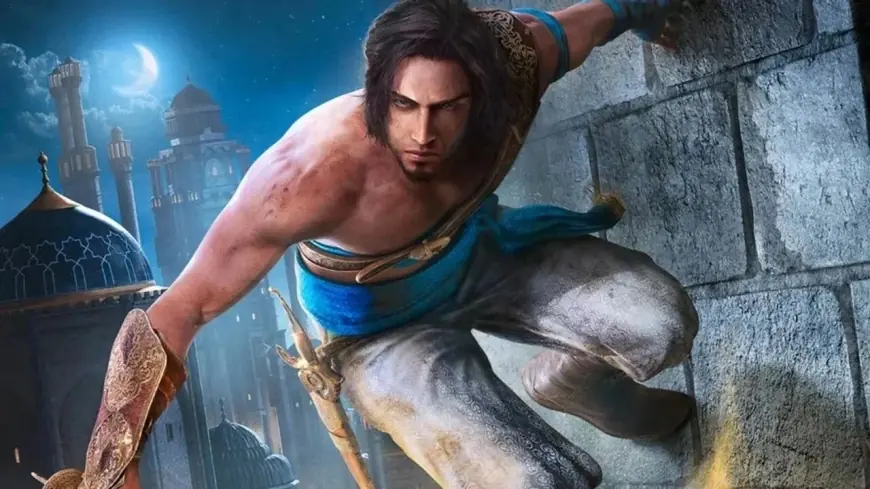
Ubisoft’s cancelled games list expanded sharply this week after the company confirmed it has stopped development on six projects as part of a sweeping “reset” that also delays seven other games and reorganizes teams into a new five-division structure. The most notable casualty is the long-running Prince of Persia: The Sands of Time Remake, a project that has already endured years of restarts, studio handoffs, and shifting timelines.
For players, the immediate takeaway is simple: some long-anticipated releases are no longer coming, and several others will take longer than expected. For the industry, the broader message is even clearer: Ubisoft is narrowing its focus, betting harder on established franchises, and cutting work that doesn’t meet internal “quality” and “return” targets.
Which Ubisoft games were cancelled?
Ubisoft confirmed six games have been discontinued. The company has publicly identified Prince of Persia: The Sands of Time Remake as one of them.
The other cancellations are largely being kept under wraps, but Ubisoft has described the mix in general terms. The discontinued slate includes:
-
Four unannounced projects, consisting of three new IPs and one mobile title
-
One additional cancelled project that has not been publicly named alongside the remake and the four unannounced titles
That lack of detail is important. “Ubisoft games cancelled” doesn’t necessarily mean recognizable franchise entries were chopped—at least not officially. What’s confirmed is that a sizeable chunk of the pipeline, including new ideas, has been cut to concentrate resources elsewhere.
Ubisoft games cancelled vs. Ubisoft games delayed: what changed this week?
Alongside the cancellations, Ubisoft also confirmed it is giving seven games more development time. One of those is an unannounced title that moved from a fiscal-year 2026 window to fiscal-year 2027.
Ubisoft hasn’t published a public list of the seven delayed games, which means release calendars for major franchises may remain fluid until the company issues title-by-title updates. In practical terms, this is the pattern players often feel most: cancellations are the hard stop, but delays are the slow drip that reshapes an entire year of release expectations.
Why Ubisoft is cancelling games now
Ubisoft’s message is that it’s becoming more selective in what it ships. Rising production costs, longer development cycles, and a hit-driven market have made “mid-sized” bets riskier. If a game can’t clear a higher bar—whether that’s quality, audience reach, or long-term monetization—Ubisoft is now more willing to shut it down rather than keep funding it.
This is a strategic pivot as much as a cost move. Ubisoft is trying to reduce the number of simultaneous big projects, concentrate talent, and avoid releasing games that arrive undercooked or unclear in identity. The cancellation of a well-known remake underlines that the new filter applies even when a brand name is involved.
The new Ubisoft structure: five Creative Houses and a tighter focus
A central piece of the reset is a new operating model built around five “Creative Houses.” Each house is intended to own creative direction, brand planning, and financial performance for its assigned portfolio—essentially pushing decisions closer to the franchises and away from a one-size-fits-all pipeline.
The practical expectation is fewer “spread thin” scenarios: fewer teams trying to solve multiple large productions at once, and more dedicated ownership per cluster of games. Ubisoft has signaled an emphasis on large-scale experiences and ongoing live-service support, which suggests the biggest winners in this structure will be the franchises that can reliably sustain multi-year roadmaps.
Studio closures, office policy changes, and the human impact
Resets like this aren’t only about games—they also reshape where and how people work. Ubisoft has confirmed the closure of at least two studios (Halifax and Stockholm) and restructuring across additional teams. The company has also moved toward a more stringent office attendance model, which can be disruptive even for staff not directly affected by a cancellation.
Whenever “Ubisoft cancelled games” trends, it’s usually because fans are tracking titles. But the deeper ripple effect is internal: cancelled projects mean redeployments, role changes, and sometimes layoffs, and delays can stretch teams into longer, more stressful production timelines.
What happens next for Ubisoft games?
The near-term outlook depends on two things: transparency and execution.
-
Transparency: If Ubisoft clarifies which projects were cancelled and which were delayed, it can rebuild trust with players planning purchases and with fans following long-running announcements.
-
Execution: A “quality-first” reset only works if the delayed games return with visible improvements—polish, stability, clearer creative direction, and a stronger sense of purpose.
In the short run, expect fewer concrete release dates and more cautious messaging. In the medium term, watch how Ubisoft’s biggest franchises are staffed under the Creative Houses—and whether new IP development shrinks further or re-emerges in more focused, higher-confidence waves. The cancellations draw the line under one era of Ubisoft’s pipeline; the next few months will show whether the new structure produces better games, or simply fewer of them.